Bar
Ocsen Beach Bar & Club
Thành phố Phú Quốc, tỉnh Kiên Giang
Bar in Duong Dong; has contact information.
- Bar
- Contact available

PHU QUOC FOOD AND DRINK
Before the night-market lights come on, Dương Đông has already eaten breakfast, traded fish and cooked lunch. The food story starts beside the river with steam and baskets, then moves through rice kitchens, grills and the visitor-facing coast. Knowing which scene you want is more useful than saving one generic market pin.
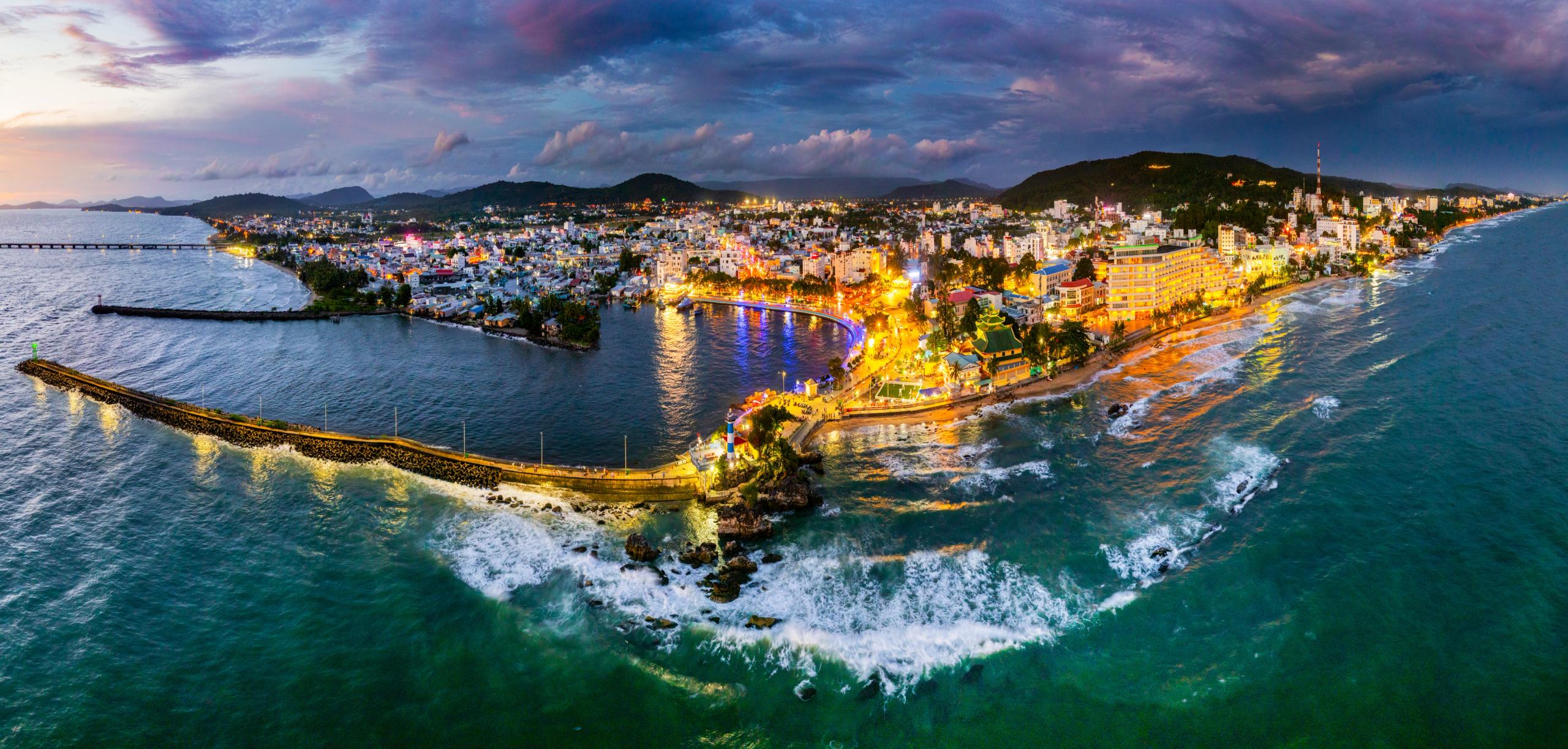
Dinh Cậu and Dương Đông harbour at dusk.
Find a useful venue
Browse places by type, Area and the details that matter for your visit.
Thành phố Phú Quốc, tỉnh Kiên Giang
Bar in Duong Dong; has contact information.
100C2 Tran Hung Dao, Duong Dong, Phú Quốc, Bình Thuận
Bar in Duong Dong; has contact information.
Ally 118, Phu Quoc, Tỉnh Kiến Giang
Bar in Duong Dong; has contact information.
Cassia Cottage, 100C/12 Trần Hưng Đạo, Dương Đông, Phú Quốc
Bar in Duong Dong.
2/1/118 Tran Hung Dao, Khu Phố 7, Phu Quoc, Tỉnh Kiến Giang
Bar in Duong Dong; opening hours available and has contact information.
160 Duòng 30/4 KP.1. Thi trân Duong Dông, Phu Quoc District, Tỉnh Kiến Giang, Tỉnh Kiến Giang
Bar in Duong Dong.
Hẻm 124 Trần Hưng Đạo, Dương Đông, Phú Quốc, TP. Phú Quốc, Kiên Giang
Bar in Duong Dong.
H. Phú Quốc, Tỉnh Kiên Giang
Café in Duong Dong; has contact information.
Showing 24 places.
Load more venuesUse the working market for a morning food walk, Bạch Đằng for a central noodle stop or an evening market outing, and the Đường 30/4–Trần Hưng Đạo town corridors for rice meals and restaurants. Dương Đông’s advantage is the range of everyday meals close together, not a requirement to eat every dinner at the night market.
Reviewed:
A Dương Đông market morning begins with ice, fish baskets and people buying dinner ingredients while the town is still waking up. The working market by the river is part of that supply chain. It has prepared breakfast sellers as well as ingredient stalls. Go for the noise of a normal morning and a simple meal, rather than expecting a tidy promenade of ready-made seafood platters.
For a visitor’s market morning, roughly 06:00–09:00 is the window recommended in our reporting; allow around an hour if you want breakfast and a short look at produce and dried goods. These are editorial visit suggestions, not fixed stall opening hours. The same place feels different later, when the first shopping rush has passed.
The visitor night market around Bạch Đằng is an evening outing, with snacks, drinks and shopping. Save it separately from the working market when meeting somebody. They can both be part of a Dương Đông stay, but one photograph or one location name should not stand in for both experiences.
Vietnam Tourism lists Kiến Xây at 28 Bạch Đằng and Thanh Hùng at 77 Đường 30/4 for bún quậy. Use the named branch with the address, not only the brand. The bowl is seafood-led and lighter than coconut-rich bún kèn; you mix the dipping accompaniment while the kitchen prepares the bowl. It is an interactive breakfast without asking you to cook your own raw seafood.
Bún kèn is the fish-and-coconut direction; bánh canh chả cá changes the texture with thick noodles and springy fish cake. Choose the bowl you want rather than asking one specialist to serve every breakfast on the island. Around the market, bánh mì, porridge, phở and bún bò give other choices: useful alternatives when the group wants a different kind of breakfast.
Finish nearby with phin coffee rather than scheduling another long drive for a drink. Cà phê đen is black coffee, cà phê sữa uses condensed milk; iced and hot versions suit different mornings. A small café stop after the market lets the food walk settle, and gives the morning more shape than rushing between three bowls.
Choose the breakfast by texture as well as by fame. Bún kèn coats the fine noodles with a richer fish-and-coconut mixture; bún quậy leaves the seafood and clear hot broth more exposed. Bánh canh gives a thicker, more slippery noodle and the spring of fish cake. A group can taste different bowls over several mornings rather than ordering a large tour of dishes at one sitting. If the town is your base, that repeat morning routine is one of its pleasures: one bowl, a coffee, then leave for the day.
A rice lunch in town can be a single cơm phần or a shared family table. For the second format, start with a savoury braise or roast, garlic greens and soup. The originals describe clay-pot rice, roast duck and young beef alongside the better-known fish dishes. These are real changes of flavour after a few days of butter-garlic seafood.
For a named seafood starting point, Hạnh Nhung Luxury lists 82–84 Đường 30/4 in Dương Đông. It also has a Hàm Ninh location, so choose the branch when meeting a group. A cooked seafood table works better with contrast: a steamed main, a grilled preparation and soup or vegetables, rather than choosing by the size of the display alone.
The Trần Hưng Đạo corridor adds international kitchens and cafés to the town’s food scene. Our dining shortlist includes Z Family Restaurant as an example of that broader comfort-food side. Pizza or a family restaurant meal after several seafood nights is part of modern island eating too; it does not have to be apologised for as a failed attempt at local food.
At a rice kitchen, read the cooking words before choosing the protein: kho gives a concentrated savoury dish, hấp a simpler steamed preparation, xào a quick stir-fry and canh the soup eaten with rice. For two diners, a main, greens and soup is a useful starting combination if the stated portions fit. If a whole fish is already a large share, you may want vegetables rather than another main. This makes a town lunch more varied without turning a normal meal into a banquet.
At the night market, a few per-piece snacks make an easy food walk: a small cake, grilled sticky-rice banana, a dessert or a drink. Buy one round first and leave room for the next flavour. The market sweets are a good reason to go even when dinner has already happened elsewhere.
A weighed crab or whole fish is a different order from a snack. The price may be per 100 g or kilogram rather than for the finished plate. If a full seafood meal is the goal, sit down with that intention and agree the quantity and cooking. There is no need to condemn every market stall, or to assume the market atmosphere makes every large order good value.
Town restaurant streets and the night market can also be separate parts of the same evening: eat the main meal first, then walk for a small sweet. That keeps dessert and the bustle without making every night a seafood feast. For an early start next day, a simple town meal can be a better finish than a late journey to another coast.
For something sweet, distinguish a small bánh khéo from a slice of bánh tét mật cật. The first is a little shaped cake with fillings such as coconut or mung bean; the second is sticky rice wrapped in leaves and may include pork. One works as a small bite with tea, while the other can be much more filling. The names matter when buying a few things to share, especially after a full restaurant dinner.
As a suggested sequence, choose the working market and a bowl in the morning, a rice lunch when you return to town, then a restaurant dinner or a snack-led night-market walk. You can divide that across several days rather than forcing three large meals into one outing. The point is to notice different kitchens, not to finish a list.
If the day takes you to Ông Lang, Hàm Ninh or the south, eat there instead of returning purely for a famous town name. Dương Đông is strongest as a flexible base with alternatives close together. The area-dining guides explain those other districts; the restaurant directory provides exact outlets once the meal and location are settled.
In the market, light bags, small notes and washable footwear make the visit easier. Move aside when stopping over a menu or a photograph so the ingredient trade can continue around you. Those ordinary details in the original reporting are more helpful than pretending every corner is a visitor attraction arranged for a long stop.
A useful next decision
Explore the dishes, places and practical details that interest you.
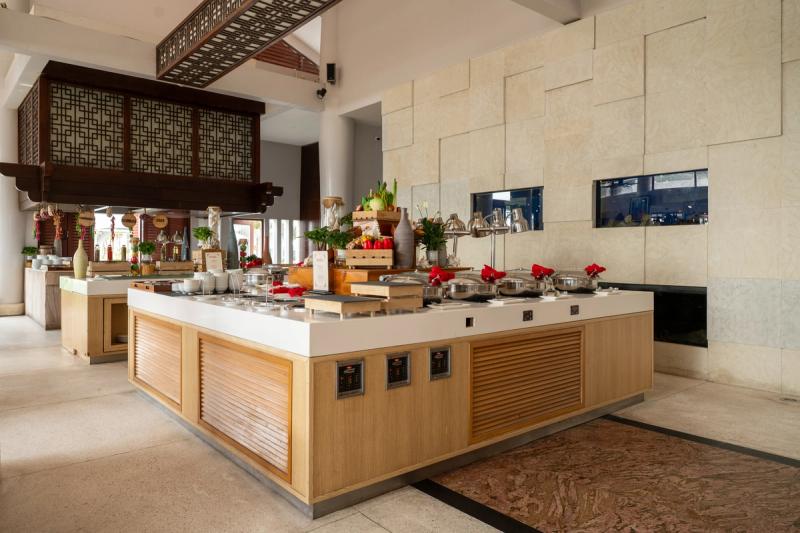
Choose breakfast in Phu Quoc: compare coconut-fish bún kèn, clear bún quậy, fish-cake bánh canh, An Thới market food and hotel breakfast service.
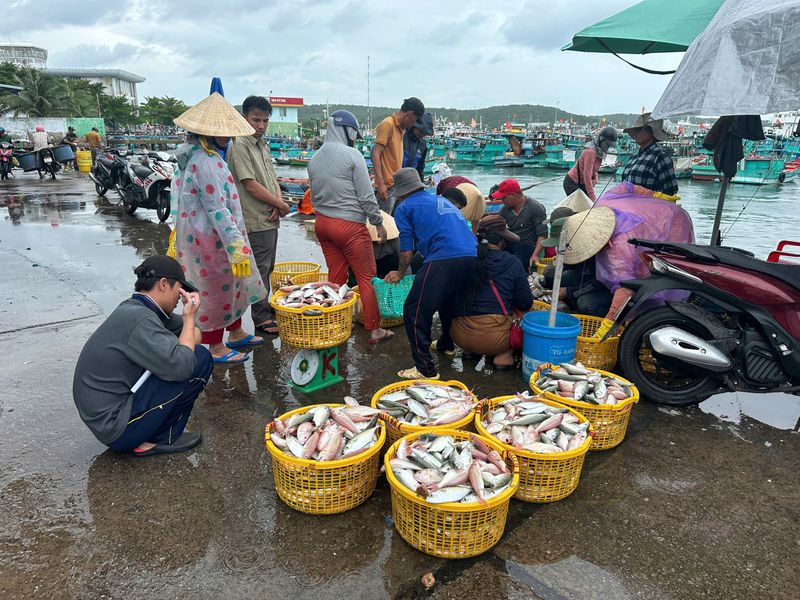
Understand Phu Quoc food markets: Dương Đông, An Thới, Hàm Ninh, Cửa Cạn, Gành Dầu and Đường Bào, with breakfast, ingredient and seafood distinctions.

Find food on Long Beach and Bãi Trường by the right cluster: Trần Hưng Đạo, Cửa Lấp, Sonasea or resort dining, with meals, named venues and coastal context.
Use the working market by the river and choose a nearby breakfast bowl. Our original recommends roughly 06:00–09:00 for the morning atmosphere, rather than giving that as every stall’s official schedule.
No. They are distinct visits with different trading and eating patterns. Save the exact destination when arranging a meeting or pickup.
Vietnam Tourism lists Kiến Xây at 28 Bạch Đằng and Thanh Hùng at 77 Đường 30/4. Keep the branch and street together rather than navigating only by the brand name.
The operator lists 82–84 Đường 30/4. Its Hàm Ninh location is a separate destination, so state the branch when meeting a group.
It can be, but choose that deliberately and understand the weighed order. For an easier walk, eat a main meal elsewhere and leave the market for small snacks or dessert.
Try a rice table with a braise or roast, greens and soup. Clay-pot rice, roast duck and young beef appear in our original dining reporting alongside seafood.