Current weather

26°
Patchy rain nearby
Feels like 29°C
High 30°Low 26°

Phu Quoc weather
For a holiday built around sand and boat days, start with November to April. For food, quiet afternoons and room to wander, the wetter months can still work beautifully. The choice is less about finding a perfect month than knowing what you want the weather to let you do.
November–April is the broad drier-season choice; May–October is the wetter pattern, with the changeover varying by year. Use that for booking dates, then read hourly rain, wind and the location for the actual outing. A land forecast does not decide a ferry or boat departure.
Phu Quoc, Vietnam
Local time:
Last updated:
Current weather
26°
Patchy rain nearby
Feels like 29°C
Today's activity outlook
A quick guide based on today's rain and wind forecast.
The next 12 hours in local Phu Quoc time.
 26°28% rain
 26°15% rain
 27°22% rain
 28°54% rain28°70% rain29°57% rain29°52% rain30°47% rain30°25% rain30°47% rain
 30°7% rain28°44% rain
Key conditions for planning a day around the island.
Marine forecast near Phu Quoc for the current hour.
Marine forecast is temporarily unavailable.
Compare rain and wind before choosing your activity day.
Patchy rain nearby
Light rain shower
Light rain shower
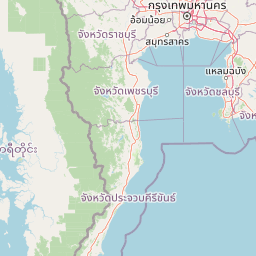
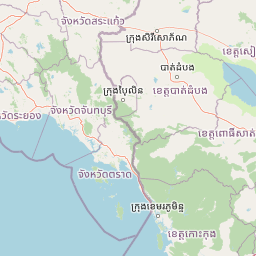
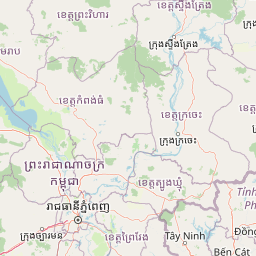
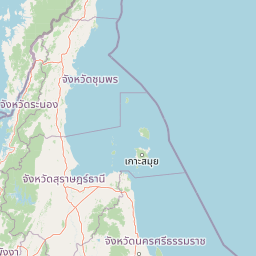
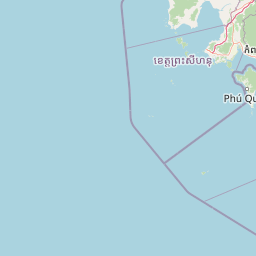
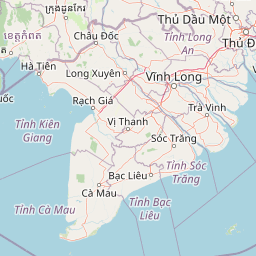
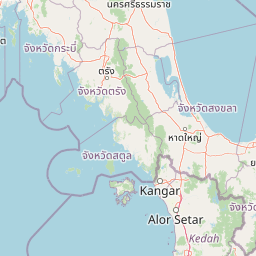
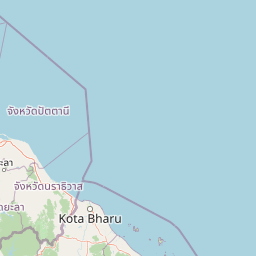
Hourly precipitation forecast around Phu Quoc. Darker color means heavier rain.
Map time: 2026-10-22 05:00
Map © OpenStreetMap contributors · precipitation WeatherAPI.com
The strongest options based on lower rain and lighter wind.
Practical guides for seasons, sea trips and rainy days.

Understand dry season, rainy season and the best months for beaches.

Flexible activities, food stops and practical packing advice.

How rain, wind and waves can affect marine excursions.
Seasonal tendencies for choosing dates, rather than a forecast for a particular day.
| Month | Pattern | Planning idea |
|---|---|---|
| January | Usually within the drier pattern, with heat and strong sun still relevant. | A strong month for beach-led plans. Reserve shade, hydrate and keep marine bookings subject to operator confirmation. |
| February | Often dry and popular, with visitor pressure around holiday periods. | Book fixed accommodation and transfers early. Use quieter hours for beaches and keep one uncrowded alternative. |
| March | Generally dry and increasingly hot as the season advances. | Move walking and exposed visits earlier. A boat plan still needs a current wind, visibility and operator check. |
| April | A transition month that can feel hotter and more humid before wetter conditions establish. | Protect the middle of the day and choose flexible cancellation terms when the itinerary depends heavily on the sea. |
| May | The wetter pattern often begins, but rain is not automatically an all-day event. | Use hourly windows, waterproof the day bag and separate the main activity from the longest return journey. |
| June | Rain and humidity make flexible land plans useful; boat days need more room to move. | Prefer covered transport for important journeys and keep a worthwhile indoor or sheltered plan near the accommodation. |
| July | Wet conditions can affect roads, visibility and exposed waiting as well as activities. | Shorten the geographic plan. Confirm boats directly and avoid building the day around several fragile connections. |
| August | Rainy-season planning remains important, with uneven conditions possible across the island. | Check the exact Area before leaving. Protect medication and electronics, and agree on a sheltered pickup point. |
| September | Often one of the wetter planning periods, though individual days still vary. | Choose accommodation and activities with credible alternatives. Do not use a calm morning as proof of the return conditions. |
| October | A transition toward the drier pattern may begin, but timing varies by year. | Keep flexible bookings and inspect the hourly forecast. Reconfirm marine and ferry operations with the responsible operator. |
| November | Conditions often become easier for beach and outdoor planning as the drier period develops. | Retain rain protection and use current forecasts. Visitor numbers can rise, so book fixed priorities before optional extras. |
| December | Commonly dry-season weather with high demand around holiday dates. | Protect confirmed transfers and meal reservations. Strong sun, heat and changing marine conditions still need daily checks. |
The dry-season advantage is easier outdoor planning, not a promise that every coast is calm.
If the main purpose is island hopping, long beach days or an outdoor celebration, start the date search here. December and January can bring a breezier feel, while March brings stronger heat. Plan exposed walks and viewpoints earlier, put a meal or rest in the hottest part of the day and save the west-facing shore for an evening you want to slow down.
Popular holiday dates can narrow the choice of rooms and transport. Book the part you would be disappointed to miss, rather than buying a full week of fixed outings. A dry month still has wind and changing sea conditions. Judge the actual beach and boat day separately; neither a blue sky at reception nor the month name tells you the condition at an offshore stop.
A flexible land holiday has more options than a trip whose only purpose is a fixed boat day.
Coffee under a roof, rain on the road and a greener-looking island when it clears can make a slow afternoon. Some spells, however, take away much more outdoor time than a passing shower. Choose accommodation with somewhere comfortable to sit and eat when wet. A remote room is less restful if every meal requires another exposed journey.
From Dương Đông, a food-and-town day is an easy alternative to a long coastal circuit. A northern stay can put a suitable indoor attraction and a nearby meal together; a southern stay can keep its land stops in the south. If a sea trip is the whole reason for the holiday, allow a spare day and use the operator’s change terms. A cheaper room is less of a saving if the one experience you came for has no room to move.
The shores face different directions; compare actual wind, water and access instead of declaring one side safe for an entire season.
Long Beach, Ông Lang and much of the western visitor coast face the sunset. Hàm Ninh and Cây Sao belong to the eastern morning-light side. The southern beaches and offshore islands have their own orientation and landing arrangements. That geography helps choose photography and the shape of the day. It does not justify a blanket recommendation to move all swimming east whenever the west looks rough.
Ask at the beach you plan to use, watch the water there and follow closures or staff instructions. A quiet-looking cove can still have hazards, and an accessible road does not establish a suitable sea crossing. Avoid driving across the island chasing a blue patch on a map without another worthwhile reason to go. A good nearby alternative often gives more holiday than an hour spent trying to outrun a cloud.
A daily rain percentage does not tell you how long rain will last at your beach.
Use the hourly view to compare the outward journey, activity and return. Look at rain timing alongside wind, visibility and the observation time. The current temperature describes one reading; it does not describe the next afternoon or the entire island. If the dashboard is unavailable, the seasonal guidance still helps choose the shape of the trip, but it is not a substitute reading.
Try a simple example: you have a café morning, a beach afternoon and a long ride home. A poor afternoon window might move the beach earlier and the café later; it need not remove both. A boat booking has less flexibility because the operator controls departure and route. Keep the forecast useful by attaching it to a real choice rather than repeatedly refreshing an icon.
No forecast can confirm ferries or an individual boat tour; use the responsible operator’s notice.
Phú Quốc Express and Superdong are the places to check a named mainland sailing, not a generic weather card. Keep that booking reference, ask about a changed departure and notify the island driver. If you switch from sea to air, change the pickup location as well as its time. Bãi Vòng port and PQC airport are different destinations.
For road days, rain changes the uncovered parts first: walking to the stop, waiting by the road and the last lane to the hotel. Keep a covered-car option for the journey that matters. Do not combine a fragile ferry connection with the last possible onward flight on a separate booking. A mainland night may be a much better buffer than a holiday ending in a rushed chain of transfers.
Sun protection, a dry pouch and a covered pause earn their place in both seasons.
Bring protection for documents and the phone used for pickup, quick-drying clothes and footwear that works after a shower. For a long beach or park day, carry drinking water and plan shade rather than treating cloud as sun protection. A power bank makes the return easier when the same phone has been used for maps, photos and tickets since breakfast.
Choose one priority, one moveable stop and one nearby alternative. On a wet day, the alternative should not require the same boat or the same long scooter ride as the cancelled plan. On a hot dry day, make the midday pause useful: a meal, indoor visit or rest at the hotel. The best month is the one that fits the trip; the best day is the one you can adjust without losing its point.
Start with the broadly drier November–April period. It gives easier outdoor planning, while the particular beach and boat day still depend on current wind and water. Book popular holiday dates early if a specific hotel matters.
Treat it as a changeable transition rather than a guaranteed dry month. Keep a flexible outdoor plan and use the forecast for the actual dates. The changeover does not happen on a fixed calendar day.
Not for every trip. A flexible resort, food and town holiday can work, but a fixed sea-heavy itinerary is more exposed to disruption. Choose a place where a wet afternoon still feels like a holiday and keep transport covered when needed.
No. Rain probability is not a measure of duration. Compare the hourly outlook, the location and the time you will be outside, then add wind and the actual activity’s operating information.
The month guide and seasonal context remain available. They help choose a flexible plan but do not become today’s forecast. Use current local conditions and the operating carrier for a sea departure; no substitute live values are invented here.
No. Check the specific sailing with its carrier. A land observation is not the departure decision for that route. Keep onward connections and separately booked road transfers adjustable.