
Skip to content
Phu Quoc Times
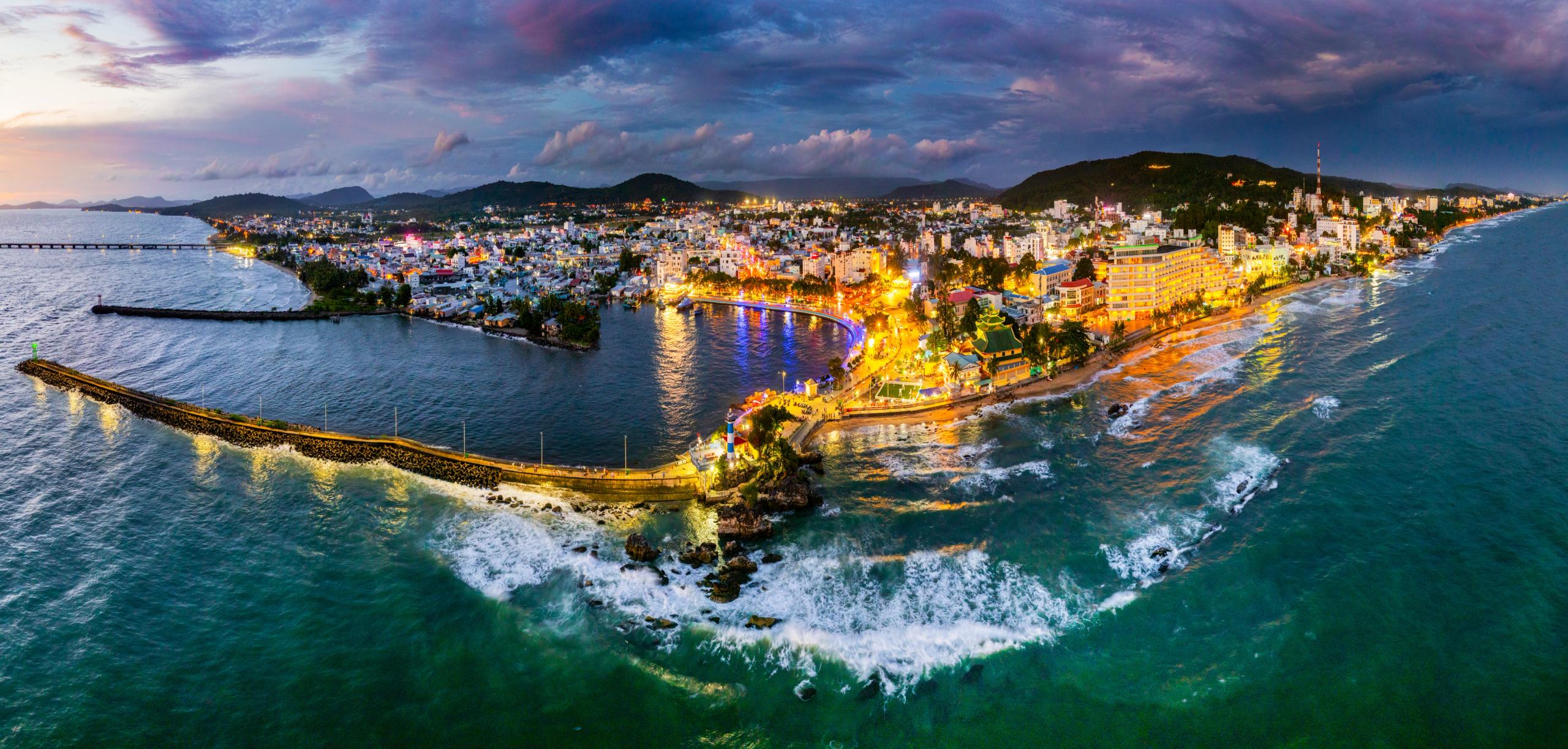
Dinh Cậu and the harbour illuminated at dusk

CULTURE AND ANNUAL CALENDAR

Phu Quoc festivals: the island behind the celebration

The island’s festivals make more sense when you begin with the place: the river mouth where fishing families worship, the village shrine or the communal house that remembers a settlement. This Phu Quoc festivals guide explains those different traditions, how to choose a visit and how an annual rhythm relates to your travel dates.

Dinh Cau and the harbour at dusk. Venue context for the festival guide.

ANNUAL CALENDAR

Typical timing and confirmed dates

Typical timing and confirmed dates are always shown as different facts.

The 15th day of the 10th lunar month

Dinh Cau Festival

A fishing-community observance at Dinh Cau on the rocky mouth of the Duong Dong River. It is useful for understanding the island's maritime beliefs, but the public program, access around the shrine and Gregorian dates still need confirmation for each edition.

Area
Central Duong Dong
Next occurrence
Next exact public date not yet confirmed

The 18th to 19th days of the first lunar month

Dinh Ba Ong Lang Festival

An early-year pilgrimage and community observance at Dinh Ba in Ong Lang. This is the Ong Lang shrine festival, not the similarly named Dinh Ba Thuy Long site near central Duong Dong, so travelers should save the exact place name before leaving.

Area
Ong Lang
Next occurrence
Next exact public date not yet confirmed

The 10th to 11th days of the first lunar month, and the 15th day of the seventh lunar month

Duong Dong Communal House Festival

A community worship period at the communal house on 30 Thang 4 Road, associated with remembrance of people who established and protected the settlement. The central location is practical, but ceremony access and any public cultural program remain edition-specific.

Area
Central Duong Dong
Next occurrence
Next exact public date not yet confirmed

HOW TO READ THE DATA

From an annual festival to a date you can plan around

Three confidence levels separate a documented tradition from an occurrence that is ready to enter a travel plan.

  1. Annual identity

    A stable source confirms the festival and its Phu Quoc venue. This does not confirm the current year's schedule.

  2. Typical lunar window

    A source records the usual lunar-calendar period. Convert it only after the organizer publishes Gregorian dates.

  3. Confirmed occurrence

    Only a separately checked date, venue and responsible organizer can enter the upcoming events agenda.

Dinh Cau Festival

Coastal shrine and fishing-community observance

Calendar basis
Lunar calendar
Best for
Travelers based in Duong Dong who want cultural context without a long island transfer.
Main constraint
The shrine approach is compact and exposed, while crowd controls and public observation can change by edition.
Confirm next
Exact Gregorian dates, the public ceremony window, entrance arrangements and any shoreline activities.

Dinh Ba Ong Lang Festival

Shrine pilgrimage and community worship

Calendar basis
Lunar calendar
Best for
Travelers staying around Ong Lang or the north-central coast who want respectful observation rather than a staged attraction.
Main constraint
The shrine is easily confused with other places called Dinh Ba, and vehicle access can be edition-specific.
Confirm next
The exact venue pin, public dates, ceremony access and the practical drop-off point.

Duong Dong Communal House Festival

Communal-house ceremony and local remembrance

Calendar basis
Lunar calendar
Best for
Travelers in central Duong Dong who want to understand settlement history and community worship.
Main constraint
Ceremonial preparation and the public cultural program may not happen in the same visitor window.
Confirm next
Public program sections, the visitor entrance, exact dates and any local traffic controls.

Choose the community and tradition you want to understand, then match the exact edition and venue. Dinh Cậu, Dinh Bà Ông Lang and Đình Thần Dương Đông are different places and observances. Read the annual profiles for context and use a dated announcement for the public programme.

The profiles below retain their source dates and next-edition status. This rewrite does not announce new festival dates.

Schedule review:

Begin with the community, not the poster

An annual festival is a continuing tradition; a particular edition supplies the programme for your visit.

CHOOSE THE EXPERIENCE

Begin with the community, not the poster

An annual festival is a continuing tradition; a particular edition supplies the programme for your visit.

Tradition
Understand why the community gathers.
Place
Keep the complete shrine or communal-house name.
Edition
Use its public programme for your visit.

At Dinh Cậu, the rocky river-mouth setting helps explain why maritime beliefs matter here. Fishing is not only a picturesque background to a holiday: it has shaped the people who use these places of worship. A festival visit is richer when you understand what the gathering means before photographing its busiest moment.

Dinh Cậu above the river mouth, the place behind the maritime festival tradition.Phu Quoc Times photo library

The annual profiles retain the identity and typical calendar of researched traditions. They do not turn that rhythm into a new public occurrence. A lunar month also moves against the Gregorian dates on a hotel booking. Use the tradition to decide your interest, then the named edition to decide whether to travel for it.

Read lunar timing and the actual place together

The festival name, lunar context and venue need to refer to the same observance.

Dinh Bà is a particularly useful naming lesson. The Ông Lang festival profile concerns the shrine at Ông Lang, not the similarly named Thủy Long site in central Dương Đông. Searching only the short name can send a visitor to the wrong part of the island even before a date is considered.

Keep the complete venue name with the public programme. A Gregorian conversion of a customary lunar date does not establish every ceremony time, procession or visitor activity. If a festival is the reason for changing flights or accommodation, use the announcement for that edition rather than a generic annual list.

Observe how people use the shrine

Allow the worship and movement of the community to shape where you stand and how long you remain.

CHOOSE THE EXPERIENCE

Observe how people use the shrine

Allow the worship and movement of the community to shape where you stand and how long you remain.

Observe
Begin at the edge of the ceremony.
Movement
Keep the ceremonial route clear.
Photographs
Ask before making worship the subject.

Temple steps, an offering table and a ceremonial route serve the people taking part. Begin at the edge, watch how others enter and follow the host’s direction. The most useful cultural detail may be a family preparing an offering or people making room for one another, not a dramatic photograph from the centre.

Dress for a place of worship rather than transferring beachwear directly into it. Do not interrupt prayers to ask someone to repeat an action for a camera. Taking part is not a requirement for a meaningful visit; quiet observation can be the most appropriate way to understand a gathering that was not created for tourists.

The approach changes the visit

A familiar town address can work differently during a community gathering.

Dinh Cậu’s compact shoreline and the town streets nearby create a different arrival from a wide resort entrance. An Ông Lang observance belongs to another locality. Choose a drop-off outside the busiest approach where that is the usable arrangement, then meet again at a recognisable point rather than asking a car to reach the crowd’s centre.

Keep the return local and simple. A festival morning in Dương Đông can sit beside a town meal; it does not require a northern park immediately afterwards. The point is to spend time with the place and its people, not to treat a ceremony as the first quick stop of a long checklist.

Choose the amount of attendance, not an all-day obligation

A short, well-placed observation can be more useful than waiting through a programme the group cannot follow comfortably.

Children may notice drums, clothing and offerings without understanding every ritual. Give them a little place context and leave room to step out for food or a break. A communal gathering is not the same product as a family stage show.

For a traveller with limited mobility, ask about the actual approach and viewing position. A shrine photograph does not show every step or crowd restriction. Choose an observation point that lets the person enjoy the occasion, and leave when the useful part of the visit is complete rather than waiting only because the festival continues.

Plan a cultural visit even outside the festival

The shrine or communal house has a story beyond the dates of a large gathering.

If your holiday misses the public edition, the place guide can still explain the river mouth, town community or Ông Lang setting. A quieter ordinary visit and a festival visit reveal different things; neither needs to pretend to be the other.

Use a dated occurrence when deciding to attend a programme. Use the area and cultural guides when deciding where to spend a normal day. That separation avoids the disappointment of arriving for a promised parade that was only described in an old article, while keeping the island’s cultural places part of the trip.

Ceremony, community meal and staged show have different purposes

A festival can have several parts, and the part open to a visitor may be only one of them.

Fishing communities, shrine gatherings and modern celebrations each belong to the island’s cultural life. Do not copy one festival’s programme into every other village. A procession, communal meal or performance needs its own place in the actual edition.

A staged cultural show can introduce a different sort of evening, with a designed performance and viewing product. It is not evidence that you have attended a village ceremony. Choose either for what it offers. The island has space for both lived traditions and organised entertainment without one standing in for the other.

Photograph the place without directing the worship

Permission to enter is not permission to stage a photograph or handle an offering.

Look for a position that keeps the ceremonial route clear and ask before making an identifiable person the centre of the image. A photograph of incense, architecture or the harbour can carry the setting without intruding on a family’s prayer.

Offerings belong to the practice of that place. Do not assume a purchase is compulsory, or that every item sold nearby is required for entry. When you do not know how something is used, observe or ask the host instead of copying an action for a souvenir picture. A good cultural visit begins with attention rather than performance.

Dress for the place and leave room to pause

Clothing, shade and the ability to step aside help a visitor remain comfortable without disturbing the gathering.

A coastal shrine can feel exposed even during a relatively short visit. Bring what you need for sun or rain and choose footwear for the real approach. Keep bags small enough not to obstruct people moving past.

If a shower changes the outdoor part, follow the host’s arrangement rather than treating a temple doorway as shelter that belongs to the tour group. Do not move a ceremony into your preferred holiday timetable. A shorter visit and a nearby meal can retain the meaning of the occasion without forcing everyone to stay through discomfort.

Let a local meal follow the visit

Food can make the day richer without assuming that a festival supplies every visitor’s meal.

A Dương Đông observance can lead naturally to food in town. An Ông Lang visit can stay with the local coast and a meal nearby. Keep a normal food plan instead of assuming a communal meal is open to everyone or operates throughout the day.

Carry a modest amount of cash for small purchases if needed, without expecting card payment at every stall. Keep offerings, donations and ordinary food spending distinct. Take waste away from the gathering and leave paths clear. These small choices are part of visiting a living place, not extras added after the photographs.

Choose the base for the wider trip

A cultural interest can shape one day without requiring the whole holiday to move beside the shrine.

Dương Đông gives the central observances a town context; Ông Lang offers a different coastal base. Choose between them using the nights and activities of the full trip, not only the hope of a particular programme.

If a confirmed edition is the main reason for visiting, accommodation close enough for a simple arrival and return can be valuable. If the date is still only customary timing, keep the room choice useful for an ordinary visit as well. That leaves the cultural place part of a good holiday even when a public programme differs from expectation.

Choose one place to understand well

A shrine visit, a town meal and a little time with the surrounding area can make a complete cultural day.

Give the chosen observance enough time to notice what makes it local: the river or coastline, the people attending and the way the space is used. Do not leave immediately after the first photograph to reproduce the same picture at another shrine.

The strongest reason to read an annual guide is to understand the island before choosing dates. Once the programme is known, build a modest regional day around it. You can leave with a better understanding of Phú Quốc without having attended every part of a festival or every festival in the calendar.

Frequently asked questions

Short answers about confirming and attending events.

Why does a Phu Quoc festival move against my hotel dates?

Many observances use the lunar calendar. Their customary lunar timing moves against Gregorian dates. The programme of a named edition still supplies public hours and access; a conversion alone does not do that.

Is Dinh Bà Ông Lang the same as Dinh Bà Thủy Long in town?

No. The annual Ông Lang profile concerns a different place. Keep the complete shrine and locality name with the programme and driver pin rather than searching only the abbreviated name.

Is a normal shrine visit worthwhile outside festival dates?

Yes, for the place and cultural context. Read its guide and visit as an ordinary place of worship. That is a different experience from attending the public programme of a festival, not a substitute parade.

Can I photograph people praying or an offering table?

Ask when an identifiable person or a sensitive ritual is central to the image, and follow the host’s instructions. Keep the route clear. Entry does not grant permission to stage actions, move offerings or interrupt prayer.

Is a cultural stage show the same as attending a local festival?

No. A staged performance and a community observance have different purposes and access. Both can be interesting, but one should not be described as proof that you experienced the other.

Should I move hotels just to be beside a festival?

Only weigh that after the actual edition and venue are established, and against the rest of the trip. A simple cultural day from a useful base can work better than moving luggage for a programme still based on customary timing.

Privacy settings

Change your choices anytime from the footer. They are saved in this browser for up to 180 days.

EssentialAlways on

Remembers privacy settings and supports functions you request, such as language selection.

Read our privacy policy

Phu Quoc Festivals: Traditions, Places & Planning a Visit