Water Activities
Compare all eleven controlled activity guides.
Read the guide

WATER ACTIVITY GUIDE
The line is a small part of the evening. There is the changing light on the way out, the crew preparing the boat, then a different kind of attention when the lights come on and someone feels the first pull. Fishing belongs to Phu Quoc’s working life long before it became a holiday outing. The useful choice is which part of that rhythm you want to join: a daylight handline session, a specialist angling trip or squid fishing after dark.
Day fishing, specialist rod-and-reel angling and night squid fishing are different outings. Choose by actual fishing time, equipment and boat arrangement rather than a promise of a big catch. A sunset dining cruise may carry lines as one activity; it is not automatically a dedicated fishing trip.
For a first try, choose the boat and crew attention as carefully as the target. The evening should still be worthwhile when nobody brings back the catch shown in the advertisement.
Editorially reviewed:
PLAN QUICKLY
A handline, a rod and a squid lure are not interchangeable versions of one tour.
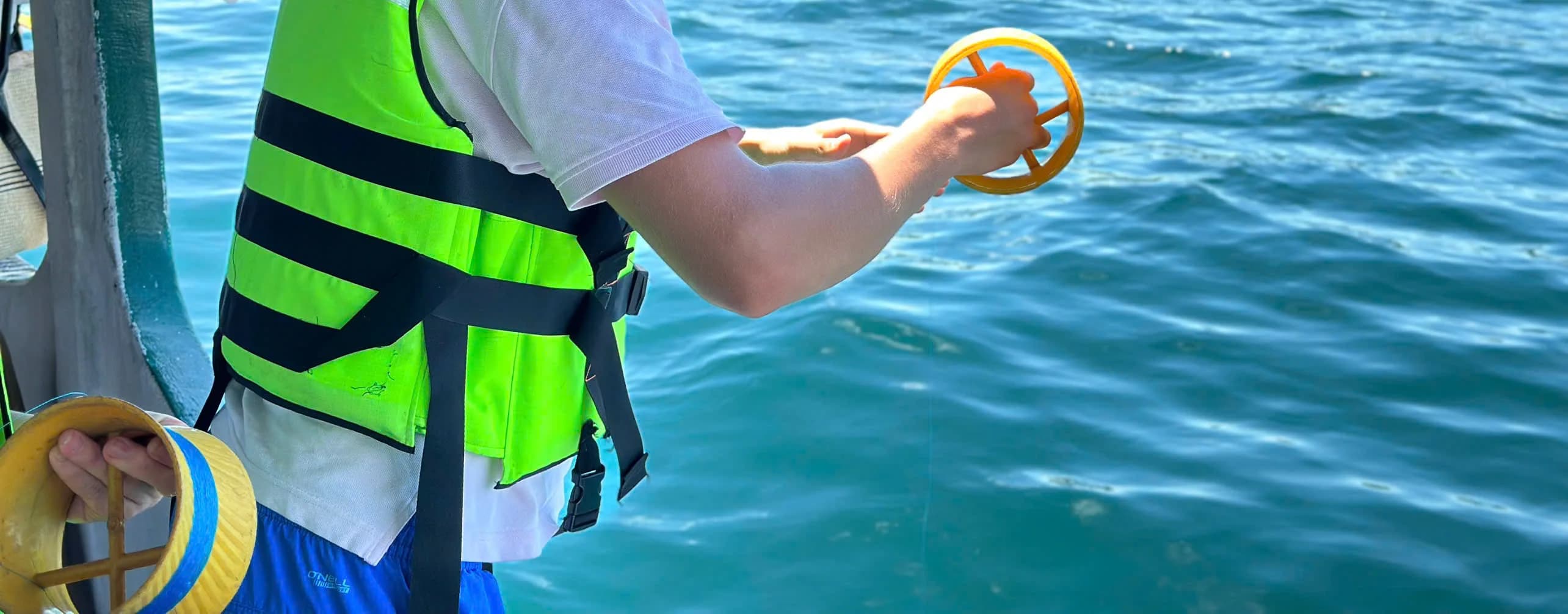
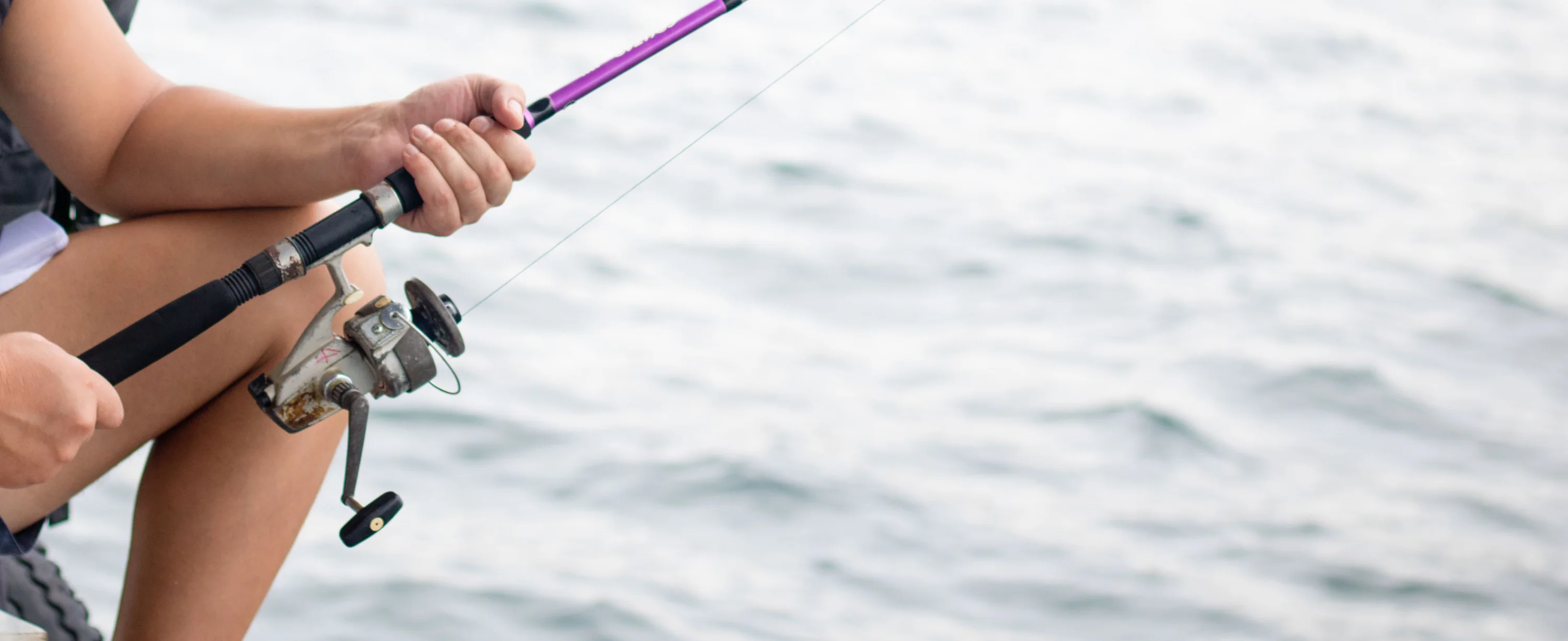
A beginner daytime trip can use simple handlines, with the crew showing baiting, lowering and handling the line. This is a close-to-the-boat activity and the equipment can be modest. If you want specialist sport fishing, say so before booking: appropriate tackle, target, time at the grounds and guide experience need a different plan from a short angling pause within an island tour.
Night squid fishing changes the setting after the sunset stage. Lights are used around the boat and the crew demonstrates the local tackle and movements. Let them explain the actual rig rather than assuming every trip supplies the same bamboo rod or hand reel. The repeated small movements and waiting are part of the experience; the first tug is more satisfying when you have had time to get into that rhythm.
A dinner cruise with a short fishing activity can suit someone mainly wanting an evening on the water. A dedicated trip should protect more actual fishing time. Ask when tackle comes out, how many people share the crew’s attention and whether dining interrupts the main session. Pick the product for the part you would be disappointed to miss.
A family can enjoy the deck even when only some people fish, but look for actual seating and supervision around hooks and lines. A working fishing boat, an excursion vessel and a dinner boat offer different comfort. Toilet access, shade in daytime and a place to sit out a session are practical differences worth deciding before the photograph of a catch.
Fishing time is what remains after transport and the other activities.
For night squid fishing, compare boarding time with actual departure, the sunset passage and the fishing session. The same headline evening length can mean very different time with a line in your hand. Tell the organiser where you are staying, especially in the far north or south, so the hotel transfer does not become the longest part of a short excursion.
Ask whether dinner is a set meal independent of the catch, whether anything caught can be cooked and how that is charged. Nobody should depend on a successful line for the group’s only food. Dietary requests and children’s meals are easier to arrange before departure. Keep drinks and a dry layer where you can reach them when the evening breeze changes the feel of the deck.
Agree the return pier and the transport after dark. A harbour pin is not a hotel drop-off, and a southern boat outing may involve a substantial road leg for a northern stay. Avoid booking the evening against a flight or the last fixed transport you cannot miss. A sensible finish leaves enough time to get off the boat, collect belongings and meet the driver without a rush.
The boat, equipment and expectations should fit the actual group.
List the boat type and passenger number, actual fishing time, tackle, bait or lures, crew instruction, transfers, meal and any cooking charge. For a specialist trip, ask for the named target and equipment plan rather than accepting a generic island-tour description. If someone does not fish, establish what their ticket includes and where they wait.
Weather and catches are separate uncertainties. The crew may alter the grounds, pause or cancel for water conditions; a successful trip can still produce little or nothing. Ask about the cancellation arrangement, not a catch guarantee. A claim that every customer lands squid is less useful than a crew that helps beginners untangle a line and explains what they are doing.
Let the crew handle unfamiliar catches and guide where fishing is permitted. Do not take a conservation-area label as permission to fish anywhere, collect coral or keep every animal for a photo. Keep hooks controlled around the group, retrieve loose line where practicable and bring litter back. The point is to join an island routine without leaving gear and rubbish behind.
Use the trip’s named departure pier and pickup plan. Day angling and a night squid boat need not start from the same harbour.
PHOTOGRAPHED PERSPECTIVES
Explore more perspectives on the guide’s subject. Each caption explains the context of the photograph when taken.
Compare fishing-led trips with other water experiences and the relevant boat format.
Compare all eleven controlled activity guides.

Choose destinations and reef context separately from activity technique.

Check destination access and character before making a current water decision.
Check current operator-led options separately.
Specific answers for this experience.
No. Specialist angling needs an appropriate target, tackle, guide and time at the grounds. A short beginner handline session answers a different wish.
Only according to its actual programme. Some include a short activity; choose a dedicated outing if time fishing is the priority.
No. Choose the crew, boat and experience without relying on a guaranteed catch.
Ask about a set meal, cooking the catch and any extra charge. The group should have a meal plan even with no catch.
Check the passenger arrangement, seating, toilet, meal and price. Boat comfort matters for someone sitting out the session.
Return pier, expected finish, pickup and the road leg to the hotel. A night boat’s harbour arrival is not the end of the journey.
Editorial review: