Water Activities
Compare all eleven controlled activity guides.
Read the guide

WATER ACTIVITY GUIDE
The first surprise is the water itself. From shore it looked smooth; at speed the small chop becomes part of the ride, with spray, turns and a very different sense of distance. A jet ski is a way to enjoy that short burst, not a taxi for exploring any bay you can see. The best first booking makes the riding area and the controls clear before the engine becomes the main attraction.
Choose a supervised first ride or a clearly defined rental in a designated operating area. Establish who drives, how many minutes you actually use the craft and how you return. A jet-ski show at Sunset Town is a professional performance, not evidence of tourist rental access at Kiss Bridge.
We would start with a short coached ride, then decide whether more time is worthwhile. Speed is only enjoyable when the rider knows the area, the stop procedure and where swimmers and other boats are.
Editorially reviewed:
PLAN QUICKLY
A rental needs boundaries, not simply a machine beside the beach.
Use the area identified by the actual operation and have its boundaries pointed out from shore. Understand the approach back to the receiving point before heading away. Swimmers, kayaks, anchored boats and working landings all use coastal water differently. A clear patch beyond the buoys is not an invitation to extend the rental wherever you like.
A coached first session is different from hiring a craft to drive yourself. Ask whether an instructor rides with you, follows nearby or watches from a defined point, and who takes control at the start and finish. These arrangements affect what a beginner can actually do, not merely how the activity is described in a brochure.
One machine with two seats does not automatically mean any pair can use it together. The operator must match the craft, participant criteria and seating arrangement. Tell the team if a passenger is a child or if someone only wants to try the view without driving. Agree where an accompanying person waits when not riding.
Do not judge a rental from footage of trained riders performing under Kiss Bridge or in a waterfront show. Those scenes are choreographed, with a different team, area and purpose. A holiday session should be judged on its own instruction and operating patch, without trying to recreate a performance turn for a phone camera.
The smallest price label may buy a different amount of actual use.
Ask when the riding clock starts and whether the briefing and transfer are included in it. If two people want separate driving turns, establish how the time is split. A few minutes can pass quickly while getting comfortable; a longer slot only has value if the rider wants it and the conditions fit. For a first try, keep the option to finish early rather than chasing every remaining minute.
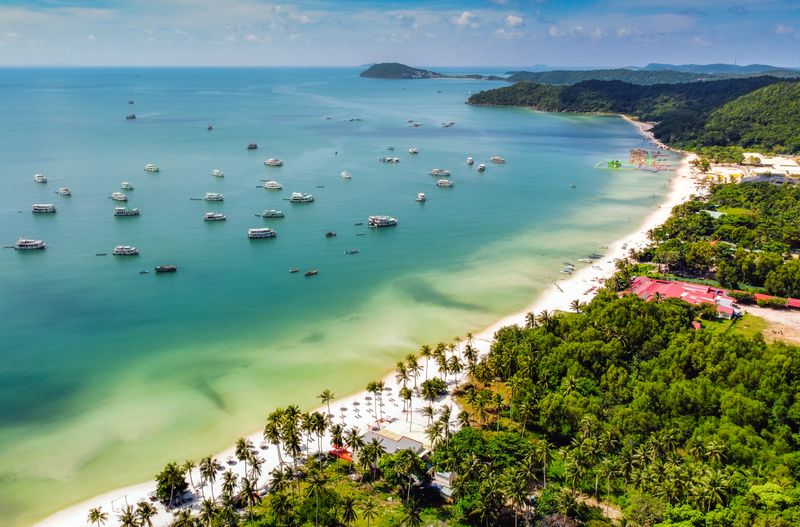
Small wind waves can change the feel of the ride even when the sky is bright. Have the crew choose a suitable slot or postpone rather than treating the photograph’s calm water as today’s surface. Fit the activity into a beach visit with room afterwards to dry off, rest and meet the group. It is not a useful extra to rush immediately before an airport transfer.
Keep loose belongings ashore or in the storage arrangement the team approves. A phone in a pocket, glasses and unsecured footwear are easy to lose. If photographs matter, agree who takes them and where, without asking the driver to concentrate on posing while manoeuvring. The first ride is better remembered for control and spray than an expensive item disappearing.
Understand the craft and the payment arrangement before starting.
Have staff explain starting, stopping, steering, the engine-stop cord and the return approach using the actual craft. Wear fitted flotation and use the engine-stop system as instructed. The RNLI’s powered-craft guidance highlights that a working kill cord stops the engine if the operator leaves the controls. Equipment fitted badly or a rushed explanation should not be waved away as normal for tourists.
Clarify price per craft or per rider, passengers, fuel, instructor, transfer and camera charges. If a deposit or damage liability is involved, agree the terms and record existing condition with the team before use. Keep a payment record and know whom to contact if the ride is curtailed. Do not leave those details to a hurried conversation after returning wet.
Keep the riding within the instructed area and give other water users room. Do not approach coral, fishing gear, wildlife or swimming zones for a closer look. If the purpose is to explore quietly along a shoreline, a guided paddle or boat trip is a better choice than trying to use a short jet-ski rental as a sightseeing route.
Meet the crew at its designated beach receiving area. Do not use a performance venue as a rental pickup unless the actual organiser explicitly operates there.
Compare jet-ski instruction with other water activities before choosing the session format.
Specific answers for this experience.
Choose a session with instruction on the actual craft and a supervision arrangement appropriate to the rider. A rental label alone is not a lesson.
No. Stay within the operation’s instructed area. A short beach rental is not an independent island-crossing itinerary.
No. Professional performance scenes do not establish tourist rental access or a suitable riding route.
It stops the engine when the rider leaves the controls if correctly used and working. Have the team explain and fit the system on the actual craft.
Clarify per-craft versus per-person pricing, who drives, passenger policy and any split of riding minutes.
Actual use time, instruction, fuel, deposit, existing condition, damage terms, photographs and what happens if the ride stops early.
Editorial review: