Water Activities
Compare all eleven controlled activity guides.
Read the guide

WATER ACTIVITY GUIDE
The change comes when the surface stops being the centre of the view. Instead of looking down at a reef, you begin to notice its sides: a ledge, a gap, a fish moving behind a branch. That is the appeal of scuba in Phu Quoc. Getting that experience takes a proper dive session, not simply adding a tank to an island-hopping photograph.
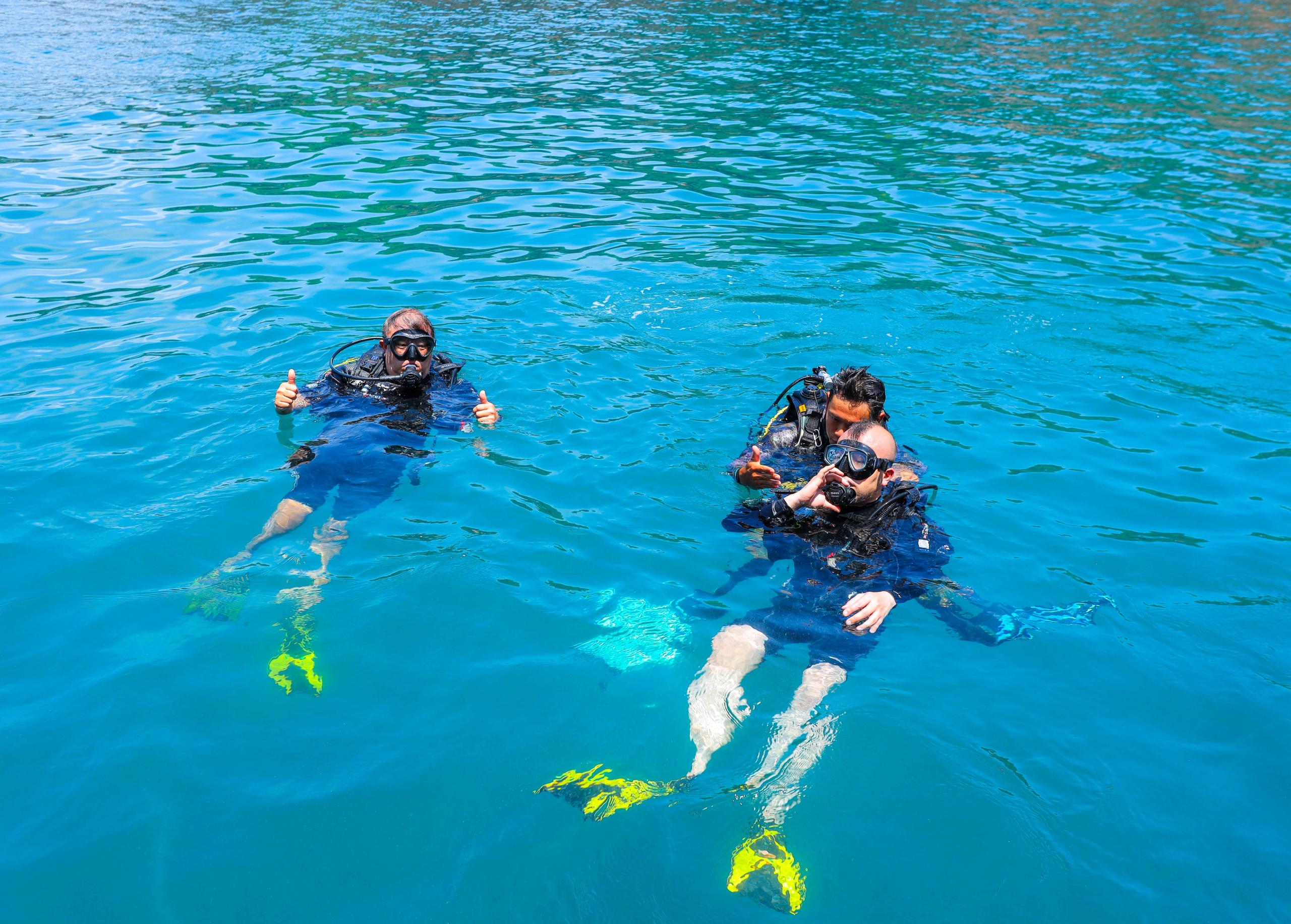
First decide between an introductory experience and a trip for certified divers. Southern An Thới islands and northern sites are different operating areas; choose the actual site and boat plan rather than the longest island list. A first dive should leave room for instruction, practice and an unhurried guided water session.
We would give diving its own substantial part of the day and put it before the final departure day. Tell the centre your experience level and onward flight before choosing the outing.
Editorially reviewed:
PLAN QUICKLY
The same island name can appear in very different underwater programmes.
An introductory session is for discovering the equipment and guided experience. A recognised course is a separate commitment with learning and skills requirements; a souvenir photograph does not certify a diver. For PADI Discover Scuba Diving, the optional open-water stage has a maximum of 12 metres, not a target every participant must reach. Other programmes need their own clear description.
A certified-diver boat should answer different questions: site selection, the number of dives, grouping by qualification and recent experience, equipment rental and the surface interval. If your last dive was years ago, say so. A refresher and a suitable first site can be more rewarding than insisting on the most ambitious route available.
In the south, do not confuse a Mây Rút beach landing or a Gầm Ghì snorkelling stop with a confirmed scuba site. Ask where the dive boat works that day and whether the rest of the group is diving or following a mixed island programme. In the north, the road transfer and departure point may be entirely different. Your hotel address matters to the whole-day calculation.
Look for time to observe rather than a promise of one spectacular animal. The appeal of the closer perspective is in the details: reef structure, smaller fish and the feeling of moving beside the habitat. Visibility and what appears on a particular dive are not fixed by an old photograph.
Separate time underwater from the hours spent travelling and preparing.
Compare the number of dives and the expected water time, not just a half-day or full-day label. Equipment fitting, the briefing, practice, boarding and travel all occupy the boat day. An offer with several island names can leave less dedicated dive time than a focused trip with fewer stops. Establish which parts of the schedule are shared with non-diving passengers.
A mixed group needs a plan for those staying dry. Shade, a place to sit and an actual meal arrangement matter while others are in the water. A beach lunch after the dive can make a relaxed finish, but avoid packing in every watersport before the boat has even returned. Keep dry clothing separate from fins, towels and wet swimwear.
Work backwards from the flight. DAN’s general minima for symptom-free divers are 12 hours after a single no-decompression dive and 18 after repeated dives or multiple diving days; longer intervals reduce risk further. Have the centre plan for the actual profile and onward travel, including after surface-supplied diving. These minima are not individual medical clearance or a reason to squeeze a dive into departure morning.
The useful detail is what the centre will actually do with your group.
Ask who leads the session, the group size and how instruction works in the language you understand. The briefing should cover the equipment, communication and ending the dive. Give the centre the information its health-screening process requests before payment; do not treat being able to swim or having tried a helmet walk as a substitute for that process.
An equipment-inclusive rate and a boat-only rate are different purchases. List the cylinder, weights, mask, fins, suit or exposure protection, guide, transfers, meal and photographs. If using personal equipment, agree what the centre supplies and can service. An underwater camera package should not take priority over an instructor who can communicate and give the session enough time.
Keep fins and hands away from the reef and leave animals where they are. For a first visit, a simpler route with attentive instruction is often the better memory: enough time to settle, then look, rather than spending the whole session trying to keep up.
Use the dive centre’s named meeting point. A southern tour-boat harbour, a northern launch and a hotel pickup are not interchangeable.
PHOTOGRAPHED PERSPECTIVES
Explore more perspectives on the guide’s subject. Each caption explains the context of the photograph when taken.
Continue from scuba programme decisions to reef observation and the relevant tour format.
Compare all eleven controlled activity guides.
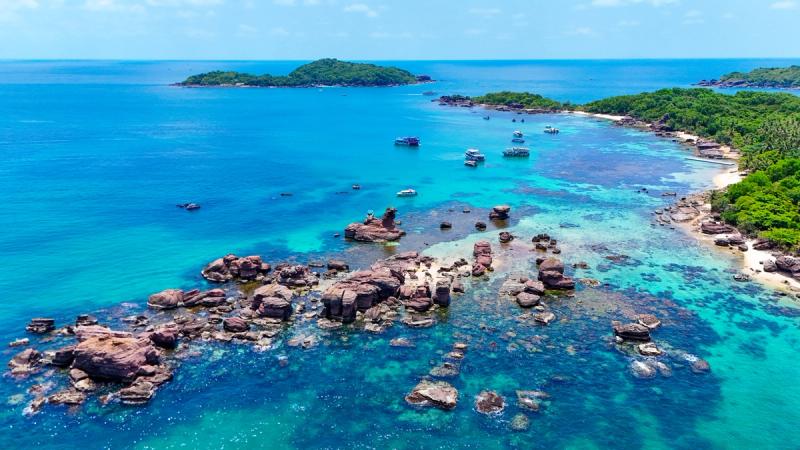
Choose destinations and reef context separately from activity technique.
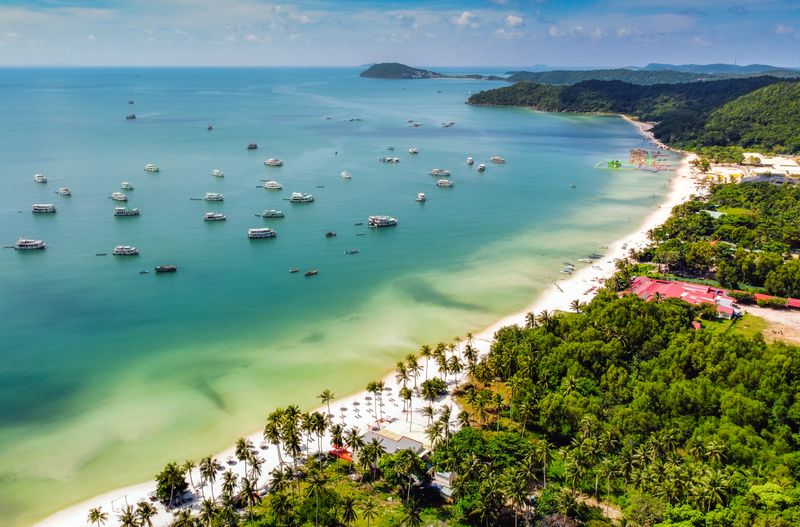
Check destination access and character before making a current water decision.
Check current operator-led options separately.
Specific answers for this experience.
An introductory programme is different from a certified-diver trip. Choose a clearly described instructor-led introduction with its screening and practice; it does not make you a certified diver.
No. It is the maximum for the optional open-water part of PADI Discover Scuba Diving, not a required target or a rule for every programme.
Choose an actual dive operation with suitable sites, equipment and grouping. A general island-hopping boat may be organised around beach stops and snorkelling instead.
Ask what they can use while dives take place: seating, shade, permitted shore time and meals. Do not assume every dive boat offers the same passenger programme.
Plan the flight interval with the centre before booking. DAN gives different minima for single and repeated no-decompression dives; the actual profile and any symptoms require appropriate advice.
Number of dives, water time, equipment, instruction, pickup, meals and any camera charge. Compare those lines rather than only the headline price.
Editorial review: