Water Activities
Compare all eleven controlled activity guides.
Read the guide

WATER ACTIVITY GUIDE
The memorable moment is often very ordinary: your mask finally sits well, you stop worrying about where the boat is, and the shapes below become a landscape. Fish move through spaces you had mistaken for empty water. A good first snorkelling trip leaves room for that change. It starts with a suitable site and enough support, not with the biggest list of islands or the loudest promise of clear water.
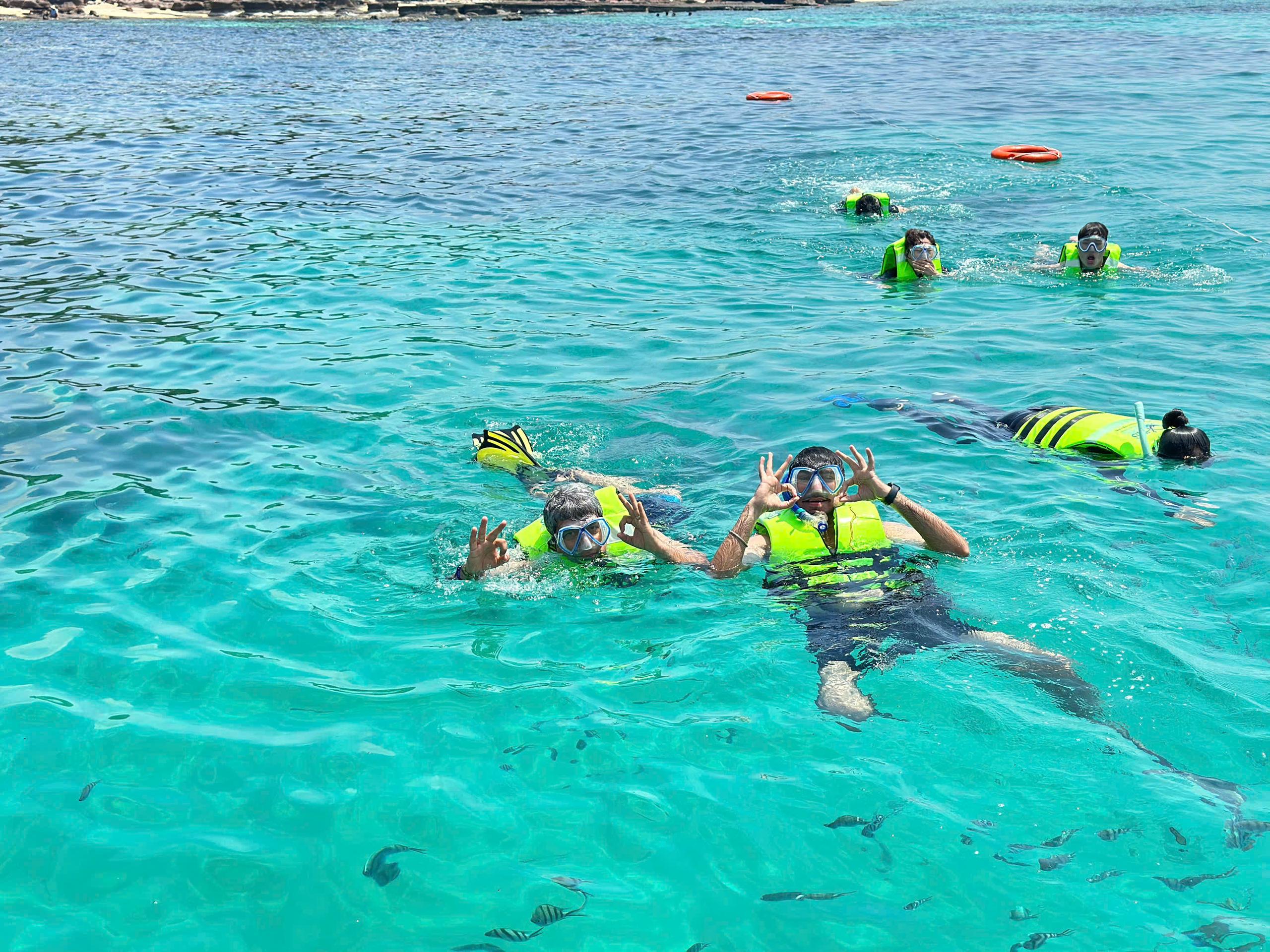
For a first Phú Quốc snorkelling day, choose a named southern reef session with equipment fitting, a proper briefing and active in-water supervision. Gầm Ghì and selected stops around Mây Rút or Xưởng appear in southern itineraries. Ask for usable water time separately from boat travel, lunch and beach stops.
We would choose a calmer, well-supported session with fewer stops over a rushed circuit. Someone who does not swim needs an individually agreed supported option, not an assumption that a life jacket alone makes the trip suitable.
Editorially reviewed:
PLAN QUICKLY
The island list does not tell you how the swim is organised.
A southern island-hopping trip can mix a reef stop, lunch and a beach pause. That is a good introduction when those parts have enough time. A more focused snorkelling outing puts the water sessions first and uses a different pace. Ask whether “snorkelling included” means a guided session or only a mask handed out while the boat waits.
Gầm Ghì is a common reef stop. Around Mây Rút and Xưởng, the same island can support either a shore-based part of the day or a selected water session. Get the site description as well as the name: where you enter, how far the group moves, where the boat remains and how someone can return early.
A first session should leave time to fit equipment and become comfortable before the main observation. Our suggested starting target is 30–45 usable minutes if the conditions and group suit it, with the option to finish earlier. The best first experience is not measured by staying in the water after enjoyment has disappeared.
Snorkelling keeps you looking from the surface. Scuba uses a breathing system and instructor-led preparation; sea walking uses its own equipment and procedures. Do not accept a last-minute swap as though they were interchangeable versions of the same activity. Choose what you want and understand the arrangement before the boat leaves.
Equipment fit and the return to the boat deserve time.
Try the mask before the main entry. Hair trapped under its seal, an uncomfortable mouthpiece or unsuitable fins can consume the whole first stop if nobody helps. Ask the guide to adjust equipment and demonstrate the basic use in an appropriate supported place. A camera can wait until looking and moving feel manageable.
For children, settle equipment size and who directly stays with them in the water. For a nervous swimmer, discuss a short supported first attempt and a clear early return. A general tour guide may be occupied with the boat or other guests; ask about active supervision rather than assuming the job title supplies it.
Ask about the ladder or boarding method, not only the swim. Getting back onto a moving craft can be the part a group finds hardest. Explain any boarding difficulty before booking and choose the actual vessel accordingly. A larger boat and a speedboat may offer very different space, shade and recovery arrangements after each session.
A good reef session needs a sensible boat day around it.
Stay with the agreed group and swimming area, clear of moving boats. Do not go alone to chase a clearer patch or add breath-hold diving to a casual surface session. If conditions or your comfort change, signal the guide and use the planned return. Flotation helps, but it does not replace judgement or direct support.
Keep off the coral and leave fish unfed. Bring drinking water, sun-protective clothing, a towel and one dry set in a sealed bag. Lunch, drinking water, fins, photographs and hotel transfers can differ between packages; compare that list as well as the headline price. The boat’s shore-rest plan matters to anyone not joining every session.
Allow room in the trip for the sea day to move. Drier-season southern outings often have easier planning, but wind, water movement and visibility still choose the useful site. Keep a long land transfer and a fixed evening booking out of a tight return window. A reef session is better remembered without spending its last minutes worrying about the flight or the next show.
Use the meeting point for your named snorkelling programme. Confirm whether the booking begins at the hotel or the southern harbour, and where the group returns.
PHOTOGRAPHED PERSPECTIVES
Explore more perspectives on the guide’s subject. Each caption explains the context of the photograph when taken.
Connect snorkeling preparation with reef observation and the relevant excursion format.
Compare all eleven controlled activity guides.
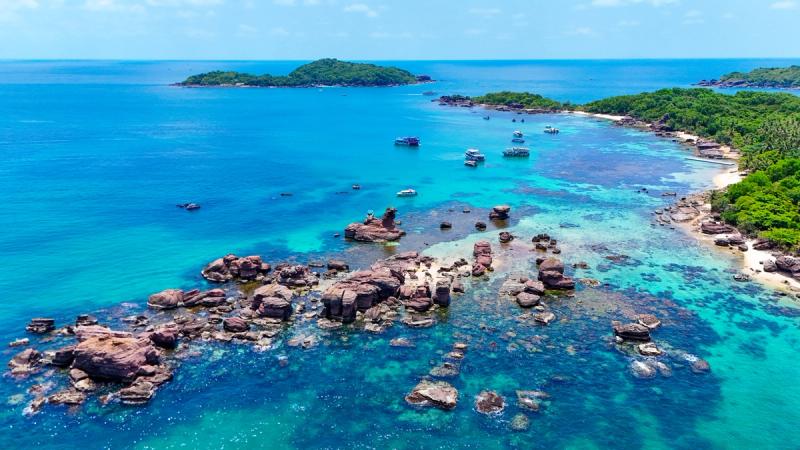
Choose destinations and reef context separately from activity technique.
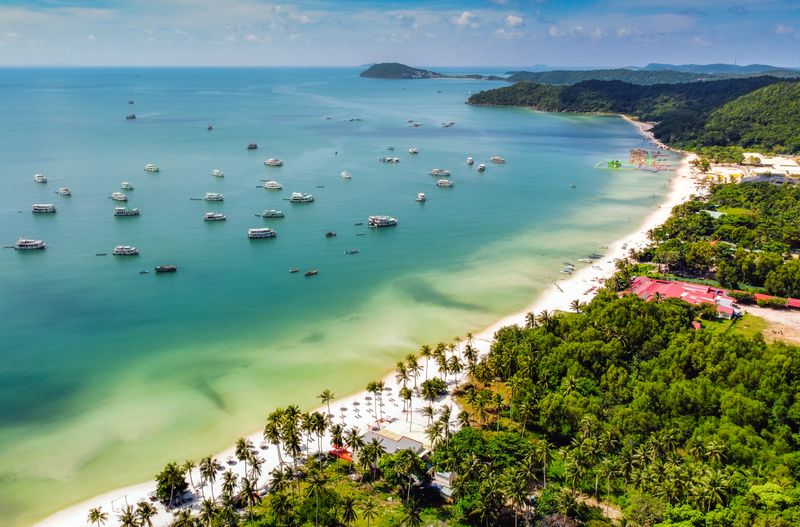
Check destination access and character before making a current water decision.
Check current operator-led options separately.
Specific answers for this experience.
A surface snorkelling session is different from scuba certification. You still need suitable instruction, equipment and supervision for the site and your ability.
No. Agree a specific supported option with the operator before booking, or choose the shore/boat part of the day. Flotation alone is not the arrangement.
We suggest 30–45 usable minutes when conditions and the group fit, outside equipment fitting and briefing. It is fine to finish sooner.
Correctly sized gear, direct in-water supervision, the entry and the return to the boat. Do not rely on a generic family-friendly label.
No. They use different equipment and procedures. Choose and understand the actual activity before departure.
Ask specifically about fins, towels, photos, extra shore services and hotel transfers. Lists vary; do not assume every activity shown is included.
Editorial review: