Wellness and spa
Choose treatment time and facilities you will use.
Read the guide

WELLNESS AND RECOVERY GUIDE
After a day on boats, a walk around Grand World or a long ride across the island, an hour in a quiet treatment room can be an appealing change of pace. The choice is less about finding the longest menu than understanding what will actually happen during the session. Oil massage, assisted stretching and a foot treatment can feel very different.
Choose a treatment and pressure level first, then compare the exact duration, total price and room. We would start with a 60-minute session when trying a new place, leaving extra time for changing and a short rest.
This is a leisure-treatment guide, not a promise to treat injury or illness. Stronger pressure is not proof of a better session.
Editorially reviewed:
PLAN QUICKLY
Choose the kind of contact you enjoy, not a country name simply because it sounds familiar.
Oil massage generally uses gliding movements on the skin. It can be a good choice when you want to lie still, but “oil” does not set the pressure: tell the therapist whether you want light or moderate work. Ask whether the oil is scented and identify any skin sensitivity before it is applied.
Thai-style massage often includes assisted stretching and pressure through the practitioner’s hands or body weight. It is a more active experience than simply lying beneath a towel. Ask how that particular shop performs it and what clothing is provided. If you do not want stretching, say so before booking rather than waiting for a movement you dislike.
A foot session focuses on a smaller area and can fit after a day of walking. Find out whether the time includes calves, a foot wash or extra shoulder work, and whether the seat is in an open shared room. The word “reflexology” is sometimes used on menus; you can choose the relaxing touch without accepting claims that it diagnoses or cures internal problems.
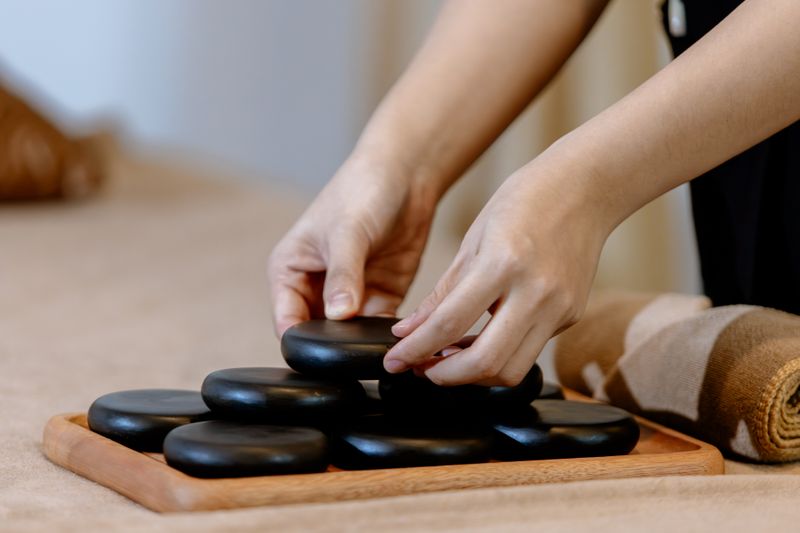
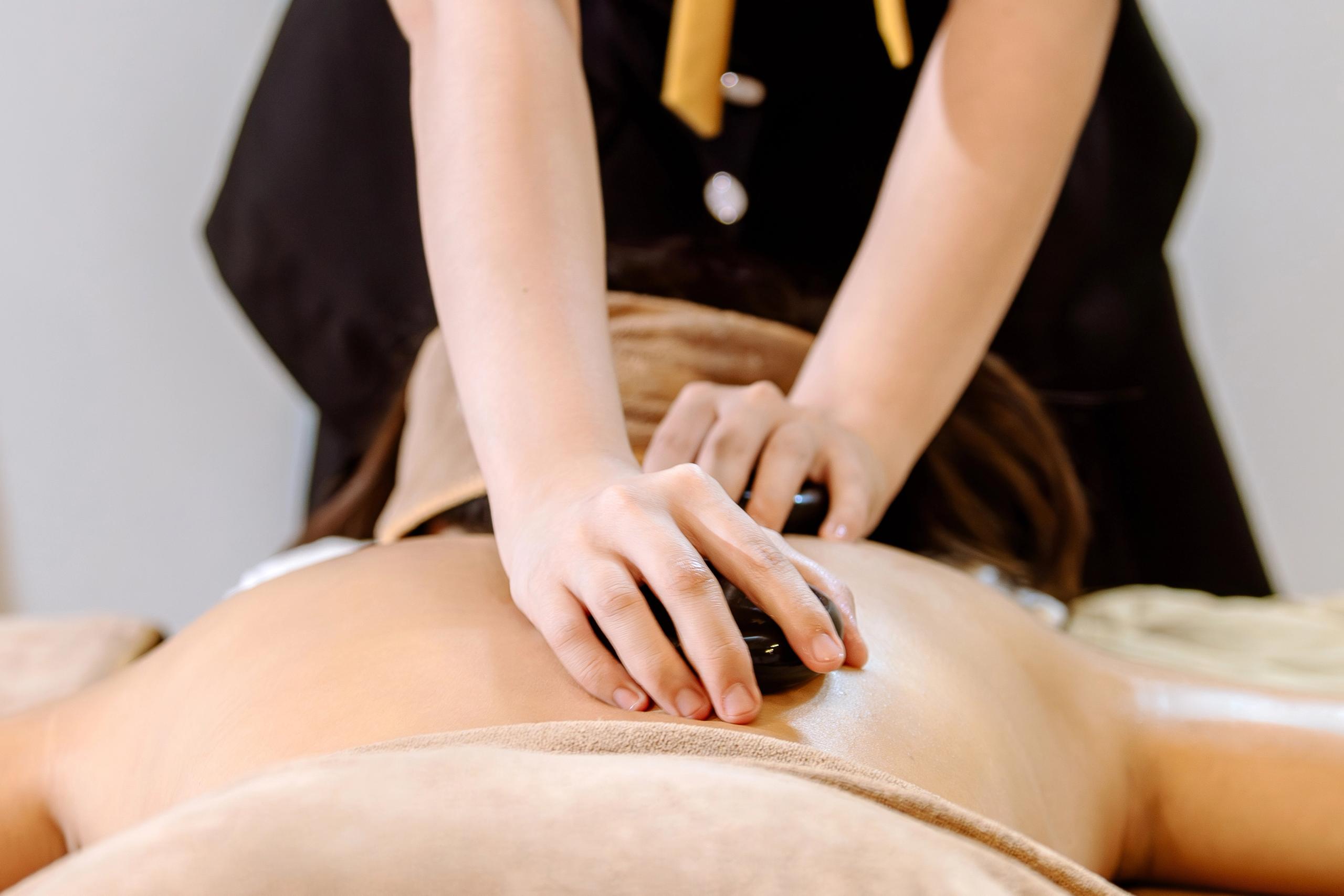
Hot-stone work adds warmth and may combine moving stones with hands-on massage. Heat should be comfortable; speak immediately if it is not. Ask whether you want warmth at all after a long day in the sun. Do not choose heat, a scrub or strong friction on skin that is already sore after sun exposure.
A clear conversation before the session prevents more disappointment than a long list of promised benefits.
The owner’s originals describe the easy walk-in choice around Dương Đông and the Long Beach tourist corridor. That convenience is useful after dinner, but do not assume it exists beside a secluded northern stay. Choose near where your day ends; crossing the island for a routine hour can cost more time than the treatment itself.
Tell reception the style, length and pressure you want. For a couple, ask for simultaneous appointments and whether you want the same room or separate rooms. A “couples” label sometimes describes two bookings together rather than a particular private suite. If you prefer a therapist of a particular gender, ask at booking rather than assuming availability.
Agree the full price before changing: treatment time, any add-on, service charge, taxes and whether a transfer has conditions. A cheap advertised foot treatment and a private 90-minute body session are not like-for-like prices. No current island-wide tariff is offered here because individual shops sell different services.
For timing, a 60-minute booking needs more than an empty hour between a boat return and dinner. Allow for arrival, the conversation, changing and a little rest. If a tour is running late, move the appointment instead of hoping the shop will compress the session and still deliver what you booked.
Comfort, boundaries and communication should stay under your control throughout the appointment.
“Nhẹ hơn” means less pressure; “mạnh hơn” asks for more. “Chỗ này không làm” points out an area you do not want touched, and “dừng lại” means stop. You do not need to tolerate pain to be polite. A therapist can change pressure, skip a movement or end the treatment when you ask.
Before the session, explain recent injuries, medical conditions, pregnancy, allergies or medication that could affect treatment; for a relevant health concern, get qualified advice rather than relying on a holiday shop’s assurance. NCCIH notes that massage is not a substitute for medical care. The practical aim here is a comfortable leisure visit, not a diagnosis.
Changing and draping should be explained. Keep underwear or clothing according to the agreed treatment and your comfort, and ask for an extra towel if needed. Leave valuables secure and bring as little as practical. Clean linen, a comprehensible menu and a clear response to your questions matter more than a dramatic claim on a signboard.
At the end, settle the agreed bill and keep any tip voluntary rather than treating it as a surprise extra. If gratuity or a charge is built into the package, it belongs in the quote before treatment. Leave the next part of the evening easy: dinner near the hotel usually fits better than another long ride.
Start with a provider near your accommodation or evening route in Dương Đông/Long Beach. Resort spas require their own booking; see the separate resort-spa guide for named facilities and contacts.
PHOTOGRAPHED PERSPECTIVES
Explore more perspectives on the guide’s subject. Each caption explains the context of the photograph when taken.
Choose treatment time and facilities you will use.

Choose treatment time and facilities you will use.
Named settings, rooms and outside-guest access.

Practical information and related island stops.
Practical information and related island stops.

Practical information and related island stops.
Specific answers for this experience.
An oil session often involves less assisted movement. Ask the actual technique and choose light/moderate pressure; Thai-style stretching is a different experience.
It is a reasonable starting session at a new provider. Leave extra time for arrival, consultation and changing. Longer is not automatically better.
Say “nhẹ hơn”. Say “dừng lại” to stop, or point out an area you want omitted before treatment.
No. Speak up and stop an uncomfortable movement. Strong pain is not a measure of quality or a required part of relaxation.
Ask for the complete quote first. An agreed charge belongs in that quote; a discretionary thank-you should not appear as an unexpected mandatory extra.
Do not use it in place of qualified care. Discuss relevant health concerns before booking and do not let a sales claim decide treatment suitability.
Editorial review: