
Camping in Phu Quoc: An Island Night or a Comfortable Tent Stay
Compare Mây Rút Trong camping with furnished Hòn Xưởng glamping: sleeping arrangements, shared facilities, meals and the complete two-day journey.
Read next

PHU QUOC TOUR GUIDE
The appeal of staying on a small island starts when the day boats leave. The beach stops being a short visit between swimming sessions and becomes the place where you eat, sleep and wake up. That is a different purchase from a sunset BBQ followed by a ride back to the hotel. An overnight camp uses two days of your trip, and its quality depends as much on the night’s practical arrangements as on the colour of the water.
Choose a staffed overnight camp if you want a simple tent night, an island evening and a slow following morning. Keep your hotel luggage on the main island and carry a small overnight bag. This guide covers an organised camp, not permission to pitch a tent on any beach or inside protected forest.
A day tour already provides a boat ride, a swim and lunch.
Camping becomes worthwhile if you actually want the hours after that: a meal without another boarding call, time beside the shore and waking close to the sea. If your main interest is one good snorkeling session, an overnight tent is not necessary. Spend the extra time where the activity you care about happens.
Do not expect the quietness of an island to mean silence. Other guests, a restaurant, a generator or an organised group may be part of the same camp. The useful question is where the sleeping area sits in relation to dinner and evening activities. A tent at the edge of a sociable group and one chosen for an early night can feel like very different holidays.
A campfire is also an organised activity, not an entitlement to gather wood and light a fire on the beach. Let the camp manage any fire and its cleanup. Pack a small light so a nighttime trip to the toilet does not depend on keeping your phone charged. These modest details matter more after dark than another inflatable photo prop on the sand.
John’s Tours advertises a two-day, one-night camping trip at 1,940,000 VND per adult, with the overnight on Mây Rút Trong.
Its first day combines southern-island water stops with an evening BBQ; four meals and a camping tent are listed. This is a boat-based organised itinerary, not just the nightly rental of an empty tent pitch.
The published second day includes breakfast, island time, lunch from 12:00–13:00, a 15:00 boat departure and an outline hotel return at 17:00. In other words, the night does not end with an early-morning ferry back. Plan the next hotel night around that afternoon return, and leave an airport or mainland-ferry connection on a different day rather than making it depend on the camp boat.
The programme’s exclusions specifically list freshwater showers and beach loungers as extra costs. That is easy to miss when four meals and a tent make the package sound comprehensive. Do not infer a private bathroom, a mattress specification or unlimited electrical power from the word camping. Those are separate facilities, and glamping should be compared on that basis rather than on the size of the tent in a photograph.
Take two sets of clothes with different jobs: something for salt water and something dry for the night.
Put the night set, any medication and a light in a dry inner bag. A wet towel pressed against your only clean clothes makes a tent evening unpleasant even when the weather is good. Leave a suitcase at your accommodation or a properly arranged luggage store on the main island.
Ask for the actual sleeping arrangement for your party: the number sharing a tent, bedding supplied, the surface beneath it and the route to toilets after dark. Those answers are more useful than the labels romantic or adventurous. For children, sharing with the adult they know may matter more than a bigger tent; for a light sleeper, distance from a speaker can matter more than the sea view.
A shower extra means carrying a little money and understanding when water is available. A power bank is useful for a phone, but do not plan a camp around charging a whole camera kit or running a device that needs dependable mains electricity. If that is essential to your night, choose accommodation with those facilities explicitly provided.
An island BBQ should be treated as dinner in a specific place, not a guarantee of any particular catch.
Tell the organiser about a vegetarian meal or a serious dietary restriction before the boat leaves, when shopping and kitchen arrangements can still be changed. Bringing it up after everyone reaches the island leaves fewer useful options than doing so at booking.
The following morning is the benefit that a sunset-only trip cannot provide. Keep it simple: breakfast, a shore walk, reading in shade or time with the people you came with. Extra water sports are separate from being allowed to sleep there. An attractive beach does not make every activity complimentary, and an overnight booking does not turn snorkeling equipment into a private guide.
Before packing up, separate rubbish from wet clothing and leave the sleeping area as you found it. Keep the return contact and meeting time on your phone and on a small written note if reception is unreliable. The camp’s boat is part of your accommodation logistics: missing it is not like missing a city bus with another one arriving ten minutes later.
Compare Mây Rút Trong camping with furnished Hòn Xưởng glamping: sleeping arrangements, shared facilities, meals and the complete two-day journey.
A practical look at Hòn Xưởng glamping: furnished tents, shared occupancy, separate showers, meals, water-bus access and costs beyond the night.
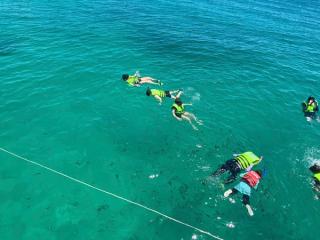
Choose a Phu Quoc snorkeling tour by reef time, route and support. Compare a dedicated trip with island hopping, named operator examples, equipment and pickup.
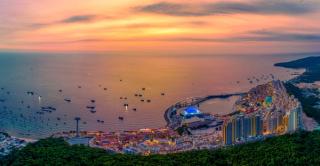
Choose a Phu Quoc sunset outing by cruise or island-dinner format, west-coast setting, a named afternoon programme, return transfers and useful alternatives ashore.
The named two-day example here sleeps on Mây Rút Trong. Other southern islands may appear as daytime swimming stops; appearing on the route does not mean the tents are on those islands.
The operator lists 1,940,000 VND per adult with a tent and four meals. It is a programme price rather than a universal tent-rental rate; freshwater showers and loungers are listed separately.
Not on the published schedule above, which has a 15:00 boat departure and a 17:00 outline hotel return. An earlier private transfer is a separate arrangement, not something established by the camping booking.
The named camping page does not establish those facilities. It lists a tent and extra-cost freshwater showers. For furnished tents and separate shared wash facilities, compare the Hòn Xưởng glamping example instead.
This organised itinerary does not establish that permission. Beach land, managed visitor areas and protected forest have different access arrangements. Use a site that has agreed to host your overnight stay.
Take a small overnight bag, with dry sleepwear protected from swimming gear. Store larger luggage on the main island under an agreed arrangement; boat and tent space should not be treated as a hotel luggage room.