TOUR FORMAT
Island Camping
A simple overnight island setup where shelter, sanitation and weather readiness matter most.
- GOOD FOR
- Adaptable travelers comfortable with basic facilities
- TRADE-OFF
- Privacy and comfort are limited
Explore this format

PHU QUOC TOURS
The attraction of staying on a small island is the time between the day trips: dinner without immediately boarding for An Thới, the sound of the shore after dark, and a morning that starts beside the water. A tent on the main island offers a different pleasure, with easier access to cafés, roads and another place to eat. Both can be good nights. The word glamping alone does not tell you which you are buying.
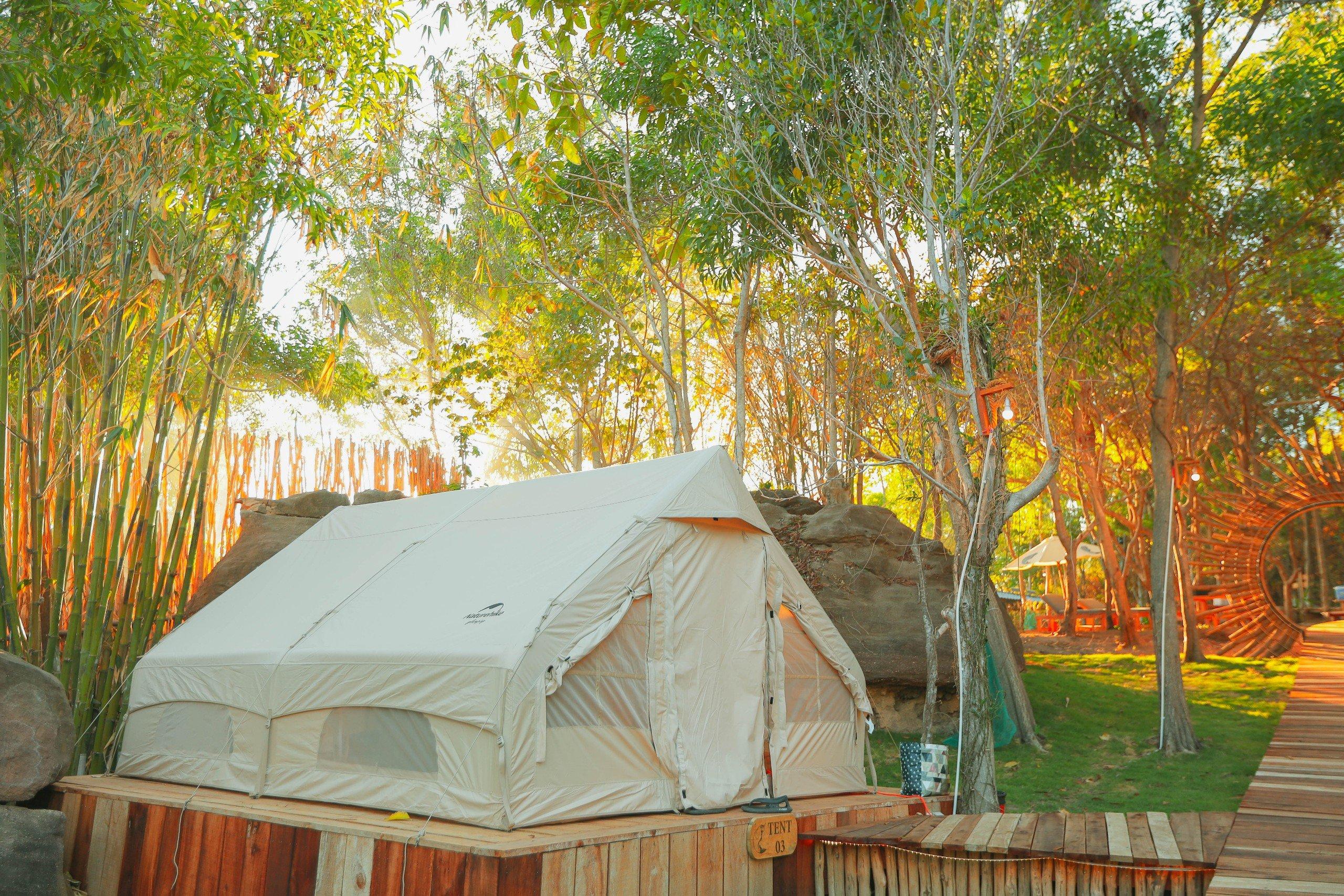
A canvas tent beside bamboo illustrates a glamping setting. Ask which accommodation, bedding and weather arrangements apply to your booking; this photograph does not confirm current package inclusions.
CHOOSE THE SPECIFIC EXPERIENCE
Start with the format that matches the day you want, then open the exact tours available for that route or style.
TOUR FORMAT
A simple overnight island setup where shelter, sanitation and weather readiness matter most.
TOUR FORMAT
A structured overnight product with more comfort, while remaining exposed to island logistics and weather.
PLAN YOUR VISIT
Choose an organised small-island trip for the overnight sea journey, or a main-island tent stay when the accommodation itself is the focus. Compare the bed, bathroom, shelter and actual return day. A two-day island camp is not simply a day tour with a free tent added.
Mây Rút Trong belongs to the southern island journey from An Thới.
It is not a beach you can leave by taxi when dinner is over. Staying there makes the boat movement part of your accommodation decision, as important as choosing the room or tent. Think in two days of travel rather than one night of lodging.
The first day can mix a reef stop with lunch and the arrival at camp. The difference comes afterwards: time to change, settle your belongings and enjoy dinner without another immediate landing. The next morning can be unhurried too, but it still belongs to the operator’s return sequence.
Keep an accommodation on the main island as a separate calculation. You may want to leave a large suitcase there, keep the room for convenience, or check out and carry a smaller overnight bag. Compare the full holiday cost, not just the camp price against one hotel night.
Our preference is to put the island night in the middle of the stay, then spend the final night on the main island. An early flight directly after camp leaves little room for a changed sea return. A final hotel night also gives you a place to shower, repack and enjoy the last dinner.
John’s Tours lists a Mây Rút Trong camping trip at 1,940,000 VND per adult: southern reef stops, a tent night and four meals, ending around 17:00 on day two.
The page lists tents but does not establish a hotel-style bed or private bathroom. This programme was read on 20 October 2026.
Use that example to understand the purchase. It combines transport, daytime activities, food and overnight accommodation. A campsite’s nightly rate may buy only the sleeping space; a hotel package may include breakfast but no boat. Dividing everything by the number of nights hides the part of the journey each price is paying for.
The extra day matters as much as the overnight. If your holiday is short, compare what you would otherwise do with that second afternoon. Staying on the island makes sense when the slower shore time is the point. It is less convincing if you spend the morning waiting impatiently to get back for another appointment.
A group should compare the same meal and transfer basis before choosing. An adult headline alone does not describe the cost for children, extra drinks, optional activities or a hotel outside the usual collection area. Ask for the party total with those items named, rather than comparing unrelated headline figures.
A raised canvas tent can look substantial in a photograph without telling you what is inside.
A bed frame, a floor mattress and a thin camping mat give very different nights. Look for the sleeping surface, usable floor space, bedding and a zipped insect barrier. Those details explain comfort better than the label luxury.
The bathroom can be the deciding feature. A shared washroom along a lit path is a different proposition from an attached bathroom. Ask where it is in relation to your tent and what the freshwater arrangements are. A promotional photograph of a beach shower should not stand in for that explanation.
Ventilation changes the experience too. A canvas room with a fan is not the same as an air-conditioned cabin, especially when wet swimwear and bags are inside. Keep a dry set of clothes separate from beach gear. For one night, a small organised bag often makes the stay easier than several loose bags.
There is a concrete furnished-tent alternative on Hòn Xưởng: Dugong Bay lists mattresses, bedding and a fan, with toilets and freshwater showers in a separate area. Compare that arrangement with the simpler Mây Rút camping itinerary rather than expecting the word glamping to mean an en-suite hotel room. The detailed island-glamping guide explains the shared-tent price unit and the road transfer that sits outside the boat inclusion.
An island barbecue is an experience in its own right: sitting ashore after a day on the water, with time to eat rather than fitting lunch between departures.
Ask whether dinner is a shared set meal, an individual order or a separate add-on. The choice affects both atmosphere and flexibility.
If food is the reason for the overnight, read the menu as carefully as the tent description. A seafood photograph is not the menu for every date. Someone who avoids seafood needs a substantial alternative meal, not just permission to leave the prawns on the plate. Arrange the actual dishes with the organiser.
A camp is not automatically a party or a silent retreat. Music, another group’s dinner and lights around the service area can be part of the setting. For a quiet anniversary or family night, find out how groups share the evening space. Exclusive use of a tent does not mean exclusive use of the beach.
There is no need to add a bonfire or amplified music to make the night complete. Use the evening arrangements the host is permitted to provide. Sitting under the shelter with dinner and conversation can be a better island night than carrying expectations from a staged promotional photograph.
Rain changes a tent stay before it changes a hotel stay.
Think about where dinner happens in a shower, where wet clothes go and whether the group has a sheltered area outside the sleeping tent. These are useful comfort questions even for a short trip in the generally drier months.
The seasonal pattern helps choose a holiday window; it cannot set a departure decision for a particular boat. The return needs its own assessment, not just a suitable outward crossing. If the organiser changes the island or postpones the night, decide whether the revised trip still offers the experience you wanted.
Pack for an overnight rather than moving the whole suitcase to the beach. A dry change, sleepwear, a light, charging power, toiletries and your usual medication are useful. Keep essentials with you on the crossing. Choose footwear for the actual landing and the path between tent and washroom.
If sleep quality is the priority, staying on the main island and booking a long island day can be the better combination. You still get the sea and lunch ashore, then return to the room you chose. Choose an overnight because you want the night itself, not because the package makes it sound obligatory.
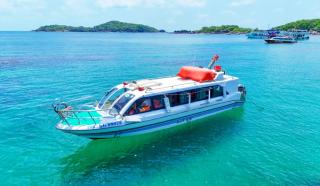
Compare Phu Quoc island-hopping routes by named islands, reef stops, beach time, speedboat or regular boat, lunch and the Hon Thom cable-car combination.
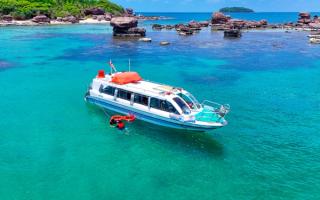
Compare shared, small-group and private Phu Quoc tours by party total, pickup, time at the main stop and what is actually exclusive, without paying for a label.

Plan Phu Quoc tours around coast, wind and useful alternatives. Distinguish seasonal guidance, a marine decision, a changed itinerary and cancellation terms.
No. A tent stay may provide accommodation only. An organised island trip can also include boat transfers, activities and several meals over two days. Compare the complete itinerary.
The researched programme names Mây Rút Trong. Other tent photographs illustrate sleeping arrangements; they do not identify that campsite.
No. The named Hòn Xưởng furnished-tent example has washing facilities in a separate area. Choose by the actual sleeping and bathroom arrangement, then compare the complete journey rather than just the nightly label.
Leave the final night on the main island when possible. Camp return includes a sea crossing, disembarkation and a road journey.
Do not infer that from a private tent. The host may receive other groups and share dining and shore facilities.
Choose a day island trip and return to main-island accommodation. That preserves the sea journey without committing the next day to the overnight programme.