
CHOICE 01
Where to Stay in Phu Quoc
A sunset dinner should not need an expedition back to your hotel.
Open guide

PHU QUOC STAYS
A beautiful Phu Quoc room can still be the wrong place for your holiday. It might leave you crossing the island every morning, or paying for a resort you only see after dark. Start with the days you want, then choose the area and the kind of place that makes them work. These guides connect the two decisions: neighbourhood advice for where to sleep, and format guides for the room, service and space you actually need. Use them to narrow the choice, not to make booking feel like another job.
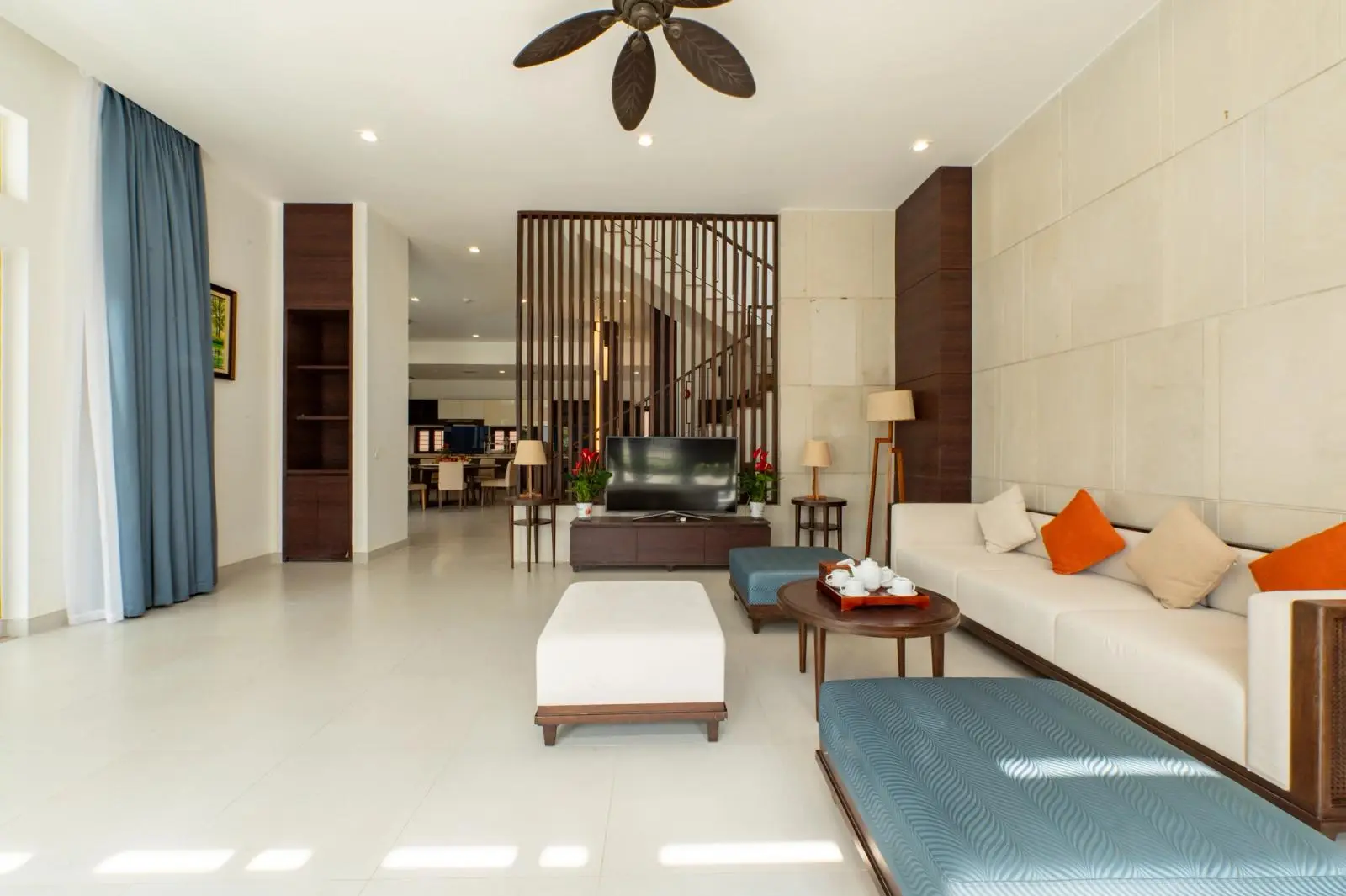
Choose the area around the places you will return to, then compare hotels, resorts, villas, apartments, boutique hotels, homestays or hostels by the way you will use them. Keep the exact room layout, guest benefits and full-stay total together. A property name or gallery cannot answer those questions on its own.
The best booking is the one that fits your ordinary holiday day, from breakfast to the journey home after dinner.
NEXT PATHS
Explore another option if this location or accommodation format does not fit your trip.
CHOICE 01
A sunset dinner should not need an expedition back to your hotel.
CHOICE 02
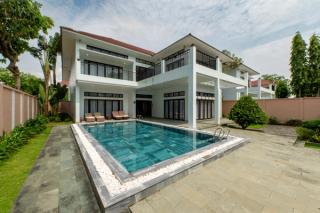
The best argument for a villa is the part between the bedrooms.
CHOICE 03
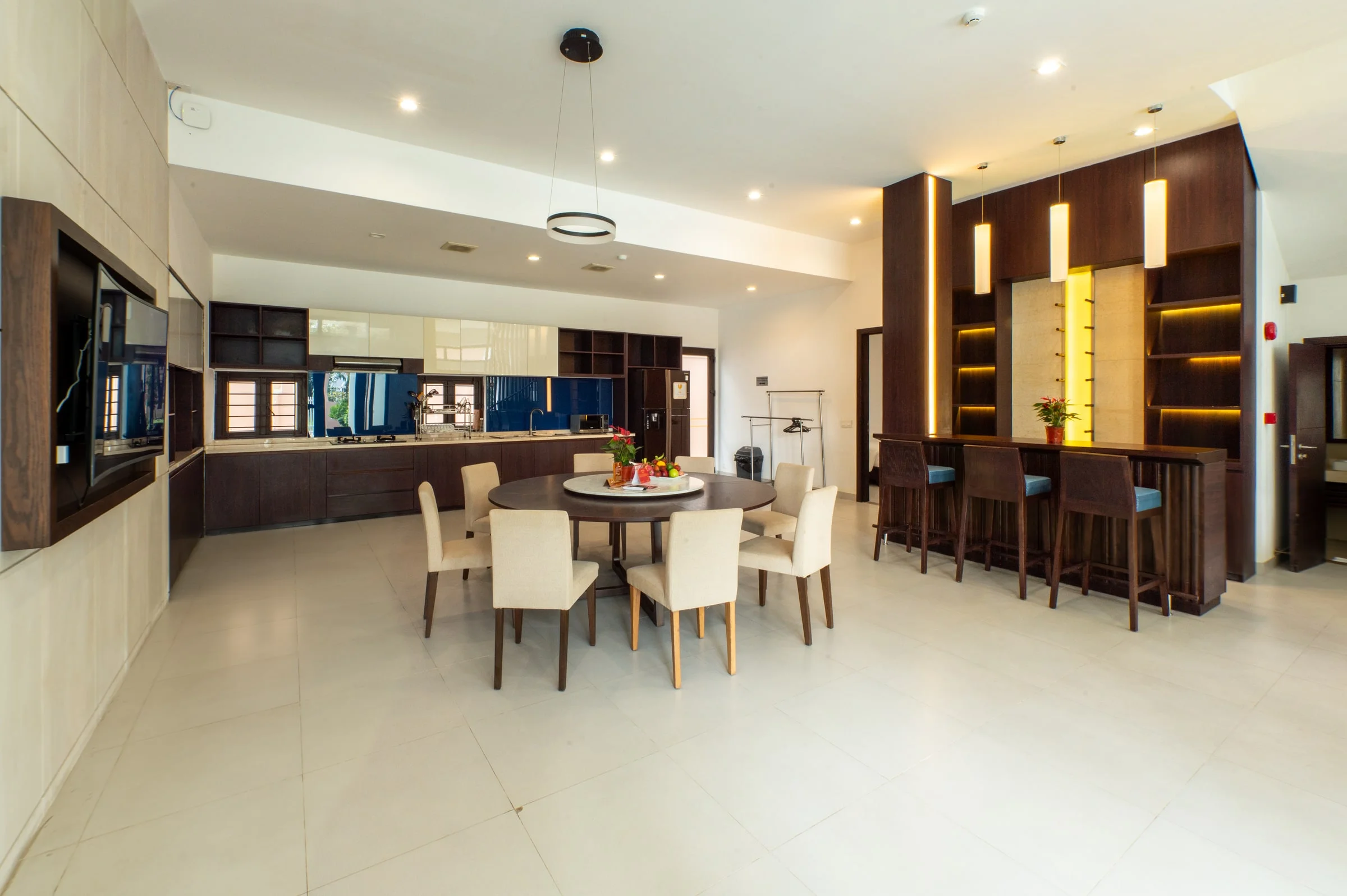
A separate living room changes a family holiday.
For meals and everyday choice, start with Dương Đông and town-side Long Beach.
For northern park days, compare Bãi Dài, Gành Dầu and Grand World. In the south, An Thới supports active outings, Sunset Town suits evenings around the waterfront and Khem suits resort time. These are starting points, not interchangeable labels. For a short visit, one well-chosen base saves another packing and check-in day. On a longer holiday, a move can make sense when the purpose changes: several exploring days followed by time at a quieter property.
Hotels is for the room and services around an outing-led stay; Resorts asks whether you will use the grounds, meals and facilities.
Villas compares separate bedrooms and shared living, while Apartments looks closely at the unit’s equipment and management. Boutique Hotels is about character as well as comfort. Homestays asks who hosts you and how the place runs. Hostels and Guesthouses distinguishes the dorm bed from a private room and shared bathroom. Pick the question you still need answered. A stylish façade or the word Home is not enough to settle the service model.
The exact category turns an attractive place into a usable booking.
Seashells separates city-view and sea-view rooms. Premier Residences’ two-bedroom apartment offers living space and two bathrooms, but the published equipment does not confirm a hob, cookware or washing machine. At 9Station, some private rooms are explicitly shared-bathroom categories. Each difference changes the stay more than a similar-looking bed photograph suggests. Start with the people sleeping there, the bathrooms they will use and the features that make the holiday easier; choose the outlook after those essentials fit.
A guest limit and a benefit allowance are different numbers.
Seashells lists breakfast for two on its room page; a third guest’s sleeping arrangement and meals need their own terms. The same reasoning applies to a child, an extra bed or a hotel attraction offer. Compare the room, required meals and transfers across the full stay, including sums payable on arrival. Put the cancellation deadline beside the total. A non-refundable saving can suit fixed plans, while a cancellable rate may be worth more before flights and dates are settled.
A hotel reception and an independently managed apartment receive guests differently.
For an apartment, keep the unit manager’s contact and the correct building entrance together; a tower name alone may not locate the person with your key. For a late arrival, send the expected time while arranging the stay. If using an airport transfer, the flight, meeting point and group size belong in the same message. This becomes particularly useful with children, several bags or a first night in a quiet coastal lane, when a simple handover is worth more than another decorative room feature.
Once the choice is made, keep one readable record with the property, exact room, dates, guest arrangement, meals, total and cancellation terms.
Add the feature that decided the purchase: separate bedrooms, a private pool, a step-free approach or actual cooking equipment. This is useful if the provider offers a replacement, because the same number of bedrooms can still mean different bathrooms or services. Then stop comparing and enjoy the trip. Return to a guide only when the plan or proposed room changes, rather than reopening every decision you have already made.
BEFORE BOOKING
Work through these checks before choosing, paying and arriving at the property.
Choose the neighbourhood, understand the room and plan your days on the island.
Choose the area around your repeated days and evenings, then the room. A northern resort may be a great purchase for park days and a poor fit for daily southern outings.
No. Missing equipment wording does not prove an appliance is absent, but it is not enough to promise self-catering either. Ask for the actual unit’s equipment if cooking or laundry determines the choice.
Not always. 9Station has private shared-bathroom categories. Read the bathroom description beside the bed type rather than treating private as a promise about both.
Not necessarily. Guest capacity and included meals are separate. The published breakfast-for-two example at Seashells shows why the extra guest’s terms matter.
On a longer trip, yes if it changes the holiday meaningfully: exploring days followed by resort time, or a northern park section followed by the south. A short visit often works better from one well-chosen base.
One confirmation with the exact room, dates, guests, meals, payable total, cancellation terms and receiving contact. Add any decisive feature such as a private pool or step-free access.