Skip to content
Phu Quoc Times

PHU QUOC FOOD AND DRINK

Food Safety in Phu Quoc: Seafood, Street Meals, Water and Leftovers

The same seafood can reach your table as a steaming soup, a grilled plate or raw herring wrapped with herbs. Those are different meals, including in how they are handled. Enjoying the island’s food starts with seeing what preparation you are choosing, rather than trusting a busy queue, an expensive dining room or the word fresh on a sign.

Choose thoroughly cooked food served hot, keep raw and cooked items separate, and use safe drinking water. Raw herring salad remains a raw-seafood dish even with citrus. For takeaway, buy chilled or perishable food last and return it to suitable cold storage rather than carrying it through an afternoon outing.

Reviewed:

A practical answer

Look at the food’s journey, not the furniture

At a noodle counter, the useful details are the hot cooking stage, where cooked bowls are assembled and whether the raw-seafood tools also touch the ready-to-eat garnish. A bowl finished in front of you lets you understand the process. It does not reveal every earlier storage step. A queue can tell you the stall is popular; it cannot certify the ingredients or the water.

WHO’s food-handling framework centres on clean handling, separation, thorough cooking, safe temperatures and safe water. On the island, apply it to the meal in front of you: use clean eating utensils, keep the raw-hotpot plate away from the cooked serving bowl, and give the cook time to finish the seafood. Do not return cooked food to the plate that held the raw selection.

A restaurant’s menu size also affects what you can understand. A specialist bowl with a visible preparation may be easier to discuss than a long buffet spread. That is a practical communication advantage, not a guarantee that one business format is always safer. Choose the food you can identify and the preparation the kitchen can explain.

The next decision

Herring salad is still raw fish

Gỏi cá trích is part of the island’s food identity: thin fish, shredded coconut, herbs, rice paper and a dipping sauce assembled into small rolls. Its raw fish is an essential distinction from a cooked fish salad. Citrus changes flavour and texture; it is not a substitute for cooking or a way to declare the dish free of parasites or bacteria.

If you prefer cooked seafood, choose a grilled or steamed dish in its own right. Do not ask a kitchen to lightly warm the same raw platter and assume it has become equivalent to a thoroughly cooked meal. The FDA advises people at higher risk, including pregnant people, young children, older adults and those with weakened immune systems, to avoid raw or undercooked seafood.

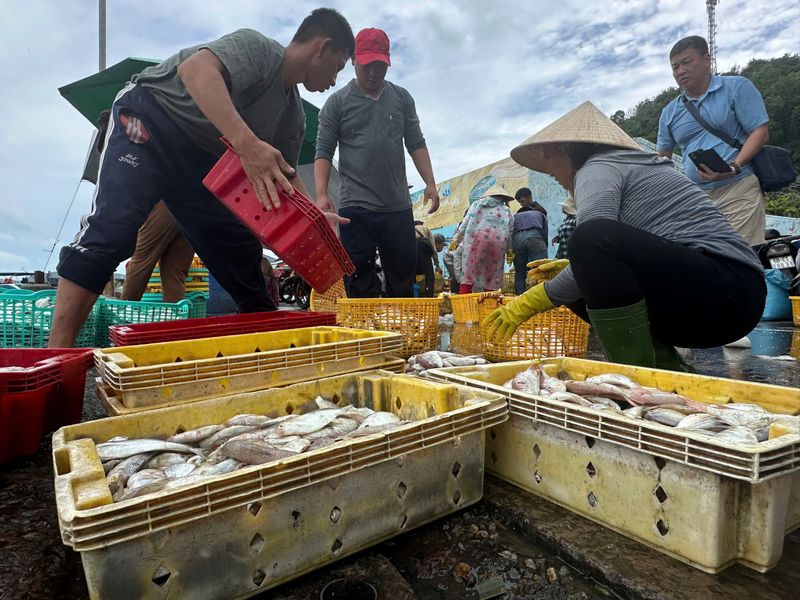
The same distinction applies to oysters and other shellfish. A live display shows an animal at the counter, not a complete history of harvesting or handling. Neither an ocean view nor a claim that a catch came from nearby water replaces that information. A cooked alternative still gives you a proper island seafood meal.

The next decision

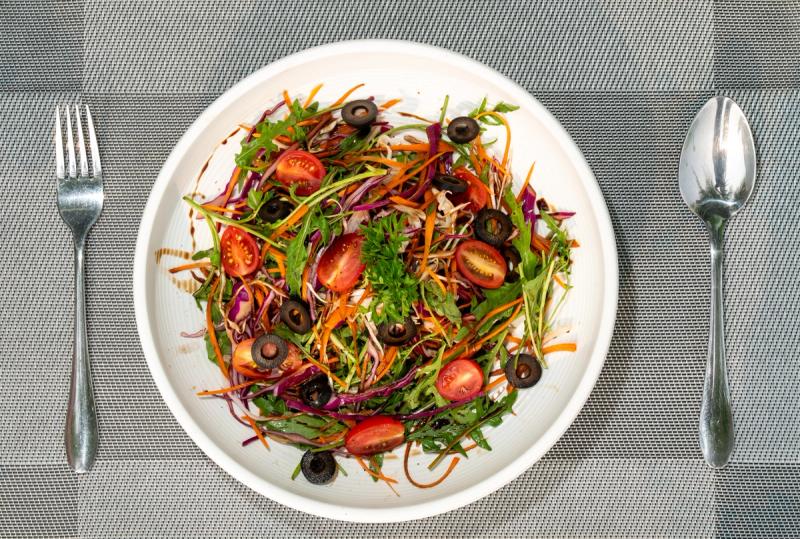
Water, ice and the herb basket

Use sealed drinking water or water treated for drinking when the supply is uncertain. Ice needs a safe source too; its shape or clarity is not evidence of that source. At a café, ask about the drinking-water and ice supply if this matters to your health needs. A hot drink and a sealed bottle are straightforward alternatives when the answer is unclear.

A plate of raw herbs is common with noodle dishes and rolls. If washing water and handling are uncertain, choose cooked vegetables or leave the raw garnish. Fruit you peel yourself offers another option. This is a decision about a particular serving, not a reason to dismiss Vietnamese herbs or island markets as a whole.

The next decision

Takeaway needs a return plan

A bag of cooked crab, a milk drink and a packet of dried squid do not need the same storage. One-sun squid, mực một nắng, is not fully dried shelf-stable squid; follow its cold-storage instructions. Buy food needing refrigeration at the end of your errands. An insulated carrier can help maintain a cold journey but does not replace refrigeration indefinitely.

For seafood and other perishables, the FDA gives a two-hour room-temperature limit, reduced to one hour above 32°C. That includes the time spent travelling and sitting on the table, not a fresh countdown after returning to the room. Ask whether the accommodation has a refrigerator suitable for storing food; a drinks minibar may not do the same job.

For an island tour, food left in a vehicle while you swim is a different problem from a meal served at a kitchen stop. Bring items whose storage fits the day and choose a freshly prepared meal where possible. Leaving leftovers behind is preferable to turning an ordinary lunch into a bag carried through heat for the rest of the afternoon.

The next decision

If you become unwell

Record when symptoms began and what you ate and drank, including other meals that day. The last restaurant visited is not automatically the source. Keep the receipt if available and seek medical advice when needed rather than trying to diagnose a restaurant or treat the problem from a travel article. Accommodation staff can help locate medical care and transport.

If a food allergy is involved, follow your prescribed emergency plan and obtain urgent medical help for a suspected serious reaction. The dietary-needs guide covers the conversation before ordering; it is not an emergency-care manual. Give the clinician the actual ingredients or menu photograph when you have them.

Questions and answers

Does lime make gỏi cá trích cooked?

No. It changes the fish’s texture and taste but the salad remains a raw-seafood dish. Choose a thoroughly cooked alternative if avoiding raw seafood.

Are busy stalls always safe?

Popularity is not a food-safety inspection. Look at preparation and separation, and choose thoroughly cooked food served hot.

Can I leave cooked seafood in the room?

The FDA advises refrigeration within two hours, or one hour above 32°C. Count the whole journey and table time. Use appropriate cold storage rather than treating an air-conditioned room as a refrigerator.

Is one-sun squid the same as dried squid?

No. It retains more moisture and commonly needs cold storage. Follow the actual package instructions and plan transport accordingly.

Can I judge drinking ice by its shape?

No. Ask about the water and ice source, or choose a drink whose water treatment you understand.

What should I keep if I feel ill after eating?

Keep the meal details, approximate timing, symptoms and receipt where available. Seek medical advice as needed; do not assume the last dish identifies the cause.

Privacy settings

Change your choices anytime from the footer. They are saved in this browser for up to 180 days.

EssentialAlways on

Remembers privacy settings and supports functions you request, such as language selection.

Read our privacy policy

Food Safety in Phu Quoc: Seafood, Water and Takeaway