Skip to content
Phu Quoc Times

PHU QUOC FOOD AND DRINK

Seafood in Phu Quoc: Crab, Squid, Fish and a Better Order

Crack a warm crab shell and the table naturally slows down. Put a sour cobia soup beside it and dinner becomes more than a row of rich grilled dishes. The best seafood order starts with how you want to eat, then works back to the species, quantity and kitchen.

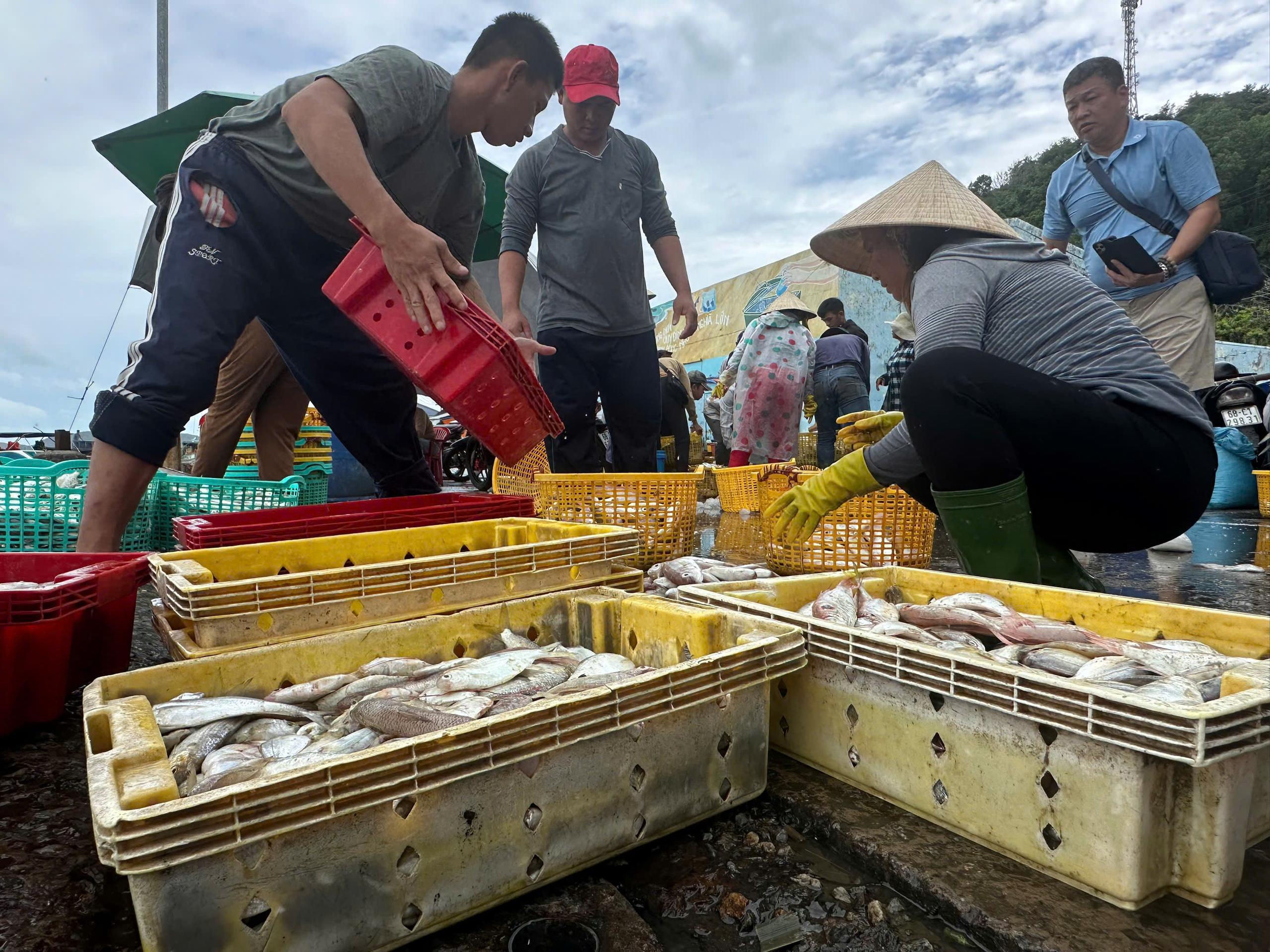
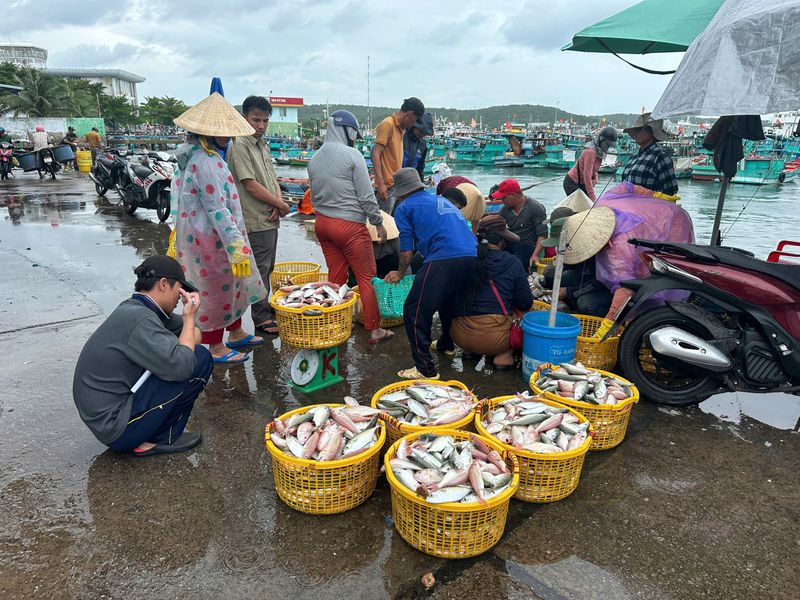
People sorting fish into baskets at a waterfront market
Workers sorting fish into crates beside the harbour.

For variety, combine one simple steamed dish, one grilled dish and vegetables or sour soup. Hàm Ninh suits a crab-led lunch; Dương Đông gives town convenience and specialist restaurants. Choose the actual species and cooking method, and tie the weighed quantity to its quoted rate before the kitchen prepares it.

Reviewed:

Choose the texture before the price tier

Blue crab is the shell-cracking lunch of our Hàm Ninh originals: sweet meat, lime-pepper salt and time at the table. Squid is firmer and easier to divide; mực trứng contains roe, while mực một nắng is partly sun-dried and gives a different chew. Cobia has firm flesh that holds up in sour broth. A scallop with rich toppings is another mouthful again.

A restaurant can serve local fish beside farmed seafood and imported premium products. That is normal sourcing variety, but the island address does not make everything local catch. Our older originals give conflicting blanket best seasons for seafood, so we do not repeat a single best month for all species. Choose the stock and dish actually offered rather than a calendar promise.

The display explains selection, not the whole supply chain

For live crab or lobster, select the actual animal rather than an example waved over the tank. Have that choice weighed, then connect it with the dish you ordered. A live tank makes selection visible; it does not establish catch location, storage history or how another item on the menu has been handled.

Live crabs in a basket at Ham Ninh market.Phu Quoc Times photo library

For a simpler meal, choose a clearly described cooked portion instead of negotiating a whole fish. Fillet, fish steak, whole animal and mixed platter are different amounts of edible food. The fish may have bones even after being cut into portions; a named boneless fillet is a different order from an unspecified piece.

Make the arithmetic visible

Start with the pricing unit. A display saying 60,000 đồng per 100 g is equivalent to 600,000 đồng/kg, not a whole crab for 60,000. As a worked example only, 0.8 kg at that rate costs 480,000 đồng before any cooking charge. Two differently sized animals can have very different totals despite sharing one quoted kilogram rate.

Use a short order sentence: “Con này bao nhiêu ký, tổng cả chế biến bao nhiêu?” Ask which weight the charge uses and whether the chosen preparation is included. Butter-garlic grilling, a cheese topping or making part of a fish into soup may be separate choices. Rice, noodles, vegetables and drinks complete the meal but are not automatically included in a tank price.

Steam, charcoal and sour broth each do a different job

Steaming keeps crab or squid relatively simple, with dipping sauce at the side. Charcoal adds smoke and browned edges. Mỡ hành brings scallion oil and often peanuts to scallops or sea urchin; bơ tỏi adds butter-garlic richness. If every dish has the latter treatment, the flavours quickly start to merge.

Grilled sea urchins on a white plate, with their roe and toppings visible.Phu Quoc Times photo library

For two people, begin with one main seafood preparation, vegetables and rice or a small sour soup, adjusting to the portion the kitchen offers. For a group, add a contrasting dish rather than doubling the richest one. Crab takes time to shell; a cobia hotpot becomes a continuing meal, not a small soup placed beside several other mains.

Know what gỏi cá trích puts on the table

The preparation in our original articles uses thin raw herring with herbs, coconut and rice paper, accompanied by a seasoned sauce. You assemble a wrap rather than eating a Western-style dressed salad. That distinction matters to the experience and to anyone expecting all the seafood to arrive cooked.

Raw fish carries foodborne risks; cooking thoroughly is the safer option. Lime, chilli or alcohol does not make raw fish equivalent to cooked fish. Keep the practical alternative simple: choose grilled fish, steamed squid or sour cobia soup. We do not repeat the older draft’s suggestion that herbs, a drink or a little daring can make raw seafood safe.

Hàm Ninh for a lunch outing; town for convenience

Hàm Ninh’s eastern waterfront makes crab lunch a reason to visit the coast. Dương Đông offers independent seafood kitchens without turning dinner into a separate cross-island journey; Hạnh Nhung lists a town branch at 82–84 Đường 30/4 as well as Hàm Ninh. Keep the exact branch when arranging a group table.

The night market can offer cooked seafood too, but a casual walk with several small snacks is not the same purchase as a weighed crab dinner. No entire market is automatically good or bad. Judge the actual order, the preparation and the total, and choose a sit-down restaurant when the group wants a slower shared meal.

Give the kitchen a meal, not a collection of pointing fingers

Say how many people are eating and whether crab, grilled fish or hotpot is the main event. Ask for the matching portion before adding sides. Let one person keep track of the order if several people are choosing at the display: it is surprisingly easy for each diner to add a main while assuming someone else has covered vegetables and rice.

A stated portion can be the best seafood decision

Fish-cake noodles, a cooked fish-and-rice plate or a fixed-price squid dish can give a satisfying island meal without buying a whole animal. A dining room can also interpret seafood in a composed course. The useful question is whether the portion, cooking and setting fit your appetite, not whether the order looks impressive beside a tank.

Questions and answers

What is a good first shared seafood order?

Choose a main such as steamed crab or grilled squid, add vegetables and rice or sour soup, and adjust to the actual portion. Variety in cooking gives more contrast than ordering several butter-rich dishes.

Does a price per 100 g mean the whole animal?

No. Multiply it by the actual weight. For example, 60,000 đồng/100 g is 600,000 đồng/kg; 0.8 kg is 480,000 đồng before extras. This is an arithmetic example, not a current crab quote.

Is seafood in Hàm Ninh always caught right beside the restaurant?

No such guarantee follows from the location. Restaurants may source different species from different places. Choose the actual animal or portion and preparation rather than inferring its entire origin from the view.

Is gỏi cá trích cooked by its lime dressing?

It is a raw-fish dish, not the equivalent of thoroughly cooked seafood. Citrus does not remove all foodborne risks. A grilled or steamed fish dish is the cooked alternative.

What is the difference between squid preparations?

Mực trứng contains roe; mực một nắng has been partly sun-dried. Steaming gives a different texture from charcoal grilling or a butter-garlic dish. Choose the preparation as well as the word squid on the menu.

Do I have to buy a whole fish for a seafood meal?

No. A fixed-price cooked fish portion, fish-cake bowl or squid dish can be a better fit for one or two people. A whole fish and a boneless fillet are different purchases, with different edible yields.

Article sources and update date

Edited from Phu Quoc Times original reporting, with venue details checked against primary sources and food guidance from specialist authorities. Price arithmetic and suggested visit allowances are identified in the text.

Last reviewed:

Privacy settings

Change your choices anytime from the footer. They are saved in this browser for up to 180 days.

EssentialAlways on

Remembers privacy settings and supports functions you request, such as language selection.

Read our privacy policy

Seafood in Phu Quoc: Dishes, Portions and Prices