Skip to content
Phu Quoc Times

PHU QUOC FOOD AND DRINK

What to Eat in Phu Quoc: Island Bowls, Crab and Local Sweets

The first spoonful of bún kèn gives you coconut, fish and turmeric at once. The first mouthful of steamed crab is almost the opposite: clean sweetness sharpened by lime and pepper. A good food trip leaves room for both, and for the rice tables and small sweets between them.

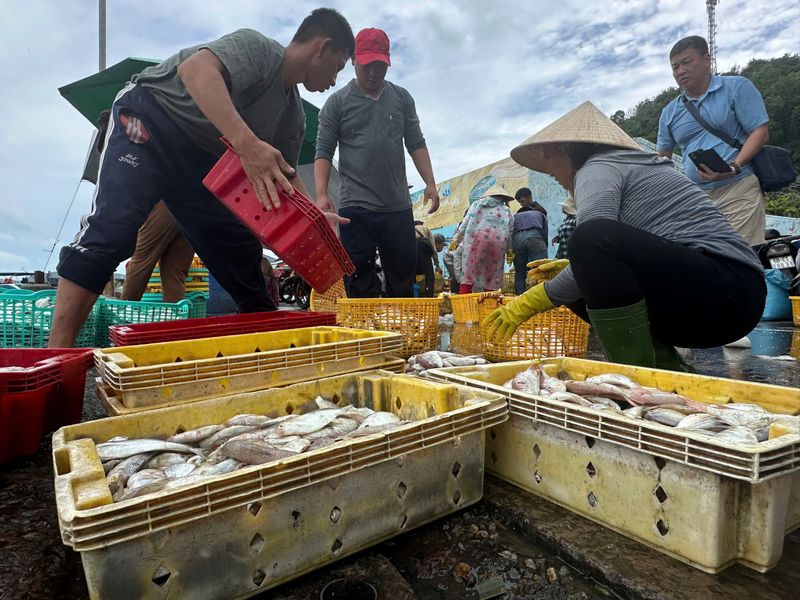
People sorting fish into baskets at a waterfront market
Fish being sorted at a waterfront market.

Try one of the three island bowls, a cooked seafood meal with contrasting preparations, then a small sweet such as bánh khéo or grilled sticky-rice banana. You do not need lobster to taste Phu Quoc: fish sauce, pepper, fish cake and coconut tell just as much of its food story.

Reviewed:

The island flavour is often in the small ingredients

Fish sauce is not just the bowl on the table. It can season a braise, marinade or soup. Black pepper gives a sharp finish to seafood; coconut can make a noodle sauce rich or a dessert soft and sweet. Recognising those roles is a better introduction than treating every expensive animal in a restaurant tank as a uniquely Phu Quoc specialty.

Green pepper berries on a vine. This growing scene does not verify the origin, processing or quality of a packaged product; check its label, producer and seal before buying.Phu Quoc Times photo library

Our originals give fish and coconut a central place in the food story, while also describing duck, young beef and goat. That breadth matters. A dish can be part of island life without having been invented here, and an imported premium crab does not become local catch because it is served beside the sea.

Three bowls, three textures

Bún kèn is minced fish cooked with coconut and aromatic seasoning, usually turmeric and lemongrass, over fine noodles with fresh vegetables. It is rich and distinctly fish-led. Út Lượm appears in our original as a place to seek the dish; choose the bowl for that flavour rather than expecting a clear, delicate broth.

Bún quậy gives a lighter seafood bowl with springy fish and shrimp paste, often squid, and the dipping mixture you make at the counter. The kitchen prepares the seafood; the diner’s distinctive job is seasoning the accompaniment. Vietnam Tourism gives Kiến Xây’s address as 28 Bạch Đằng, Dương Đông. Bánh canh chả cá has thicker, softer-chewy noodles and fish cake: choose it for texture and a more substantial spoonful.

Crab, squid and the dish that needs an explanation

Steamed blue crab is associated with Hàm Ninh in our originals. The work of cracking shells slows lunch down; lime-pepper salt makes a simple accompaniment. Grilled squid gives a firmer bite, while nhum nướng mỡ hành brings a small creamy spoonful from the shell, commonly with scallion oil and peanuts. They are different textures, not interchangeable items on one giant platter.

Fish salad with onion and herbs. Ingredients and preparation vary between kitchens.Phu Quoc Times photo library

Gỏi cá trích uses raw herring, herbs, grated coconut and rice paper, with a seasoned dipping sauce. It is a distinctive island preparation, but raw seafood carries risks that lime or a strong sauce does not remove. If you want a cooked meal, choose steamed or grilled fish, squid or a cobia soup instead of treating the salad as a compulsory dare.

Cobia soup and the rice table change the pace

Cá bớp has firm flesh that suits sour soup with tamarind, pineapple, tomato and herbs. It is a good contrast to fried or butter-rich dishes, particularly as part of a rice meal. A hotpot version adds the experience of a continuing pot at the table, with vegetables and starch forming part of the order.

For a break from seafood, the originals describe young beef grilled with lemongrass, goat hotpot and roast duck. A familiar rice table with braised pork and cooked vegetables is another genuine part of everyday eating. You do not need to pretend those dishes were invented on the island to enjoy them here.

Leave room for something small

Bánh khéo are small shaped sweets with fillings such as coconut, mung bean or taro. Bánh tét mật cật is a denser sticky-rice cake wrapped in mật cật leaves, often with mung bean and pork: it is food to slice and share, not another light biscuit. Chuối nếp nướng brings a warm grilled banana and sticky-rice contrast under coconut sauce.

Coconut coffee belongs closer to a sweet treat than to a plain black brew. Sim products range from syrup-like drinks to wine, so the purple colour alone does not tell you whether a glass contains alcohol. Choose a small portion or drink that adds a new taste rather than repeating the coconut richness of an earlier dish.

Build variety over several meals

One morning, choose bún kèn; on another, try bánh canh. Put a steamed dish beside a grilled one at the seafood table. Leave a rice lunch between the large dinners. This is a suggested way to taste contrasts, not a fixed food tour or a promise that every shop sells the whole list.

Let geography give the dish a setting

A town bowl fits Dương Đông or An Thới. A crab lunch can anchor a Hàm Ninh trip. A resort dinner is a chance to see island pepper, fish sauce or mushrooms used in another style of cooking. Those settings add meaning without requiring you to cross the island for every bite. Use the relevant area-dining page to find a sensible cluster.

Skip duplication, not whole categories of places

A buffet can be useful before an early departure; a polished dining room can cook thoughtfully; a humble stool does not guarantee a memorable bowl. Skip the second rich platter when you are full, the unnamed expensive species you did not intend to buy, or the sweet drink that repeats the dessert. The point is a varied, enjoyable trip, not proving how adventurous you can be.

Questions and answers

Which is richer, bún kèn or bún quậy?

Bún kèn is the coconut-rich fish preparation, with aromatic seasoning and vegetables. Bún quậy has a clearer seafood broth and a sharper dipping accompaniment. Choose by the flavour you enjoy rather than a ranking.

Do I cook the raw seafood myself at bún quậy?

The kitchen prepares the seafood bowl. The distinctive diner participation is mixing the dipping sauce and following the counter service. The shop’s method can vary; it is not a do-it-yourself raw-seafood cooking challenge.

What can I order instead of raw herring salad?

Choose a cooked fish dish, grilled squid or sour cobia soup. Gỏi cá trích is raw herring; citrus and strong sauce do not turn it into a cooked preparation.

Do I need lobster to try the island’s seafood?

No. Crab, squid, fish soup or grilled sea urchin show very different textures and preparations. Species, size and cooking matter more than choosing the most expensive item in a tank.

What is the difference between bánh khéo and bánh tét mật cật?

Bánh khéo are small shaped sweets, often filled with coconut, beans or taro. Bánh tét mật cật is a sticky-rice cake wrapped in distinctive leaves, commonly with mung bean and pork, sliced to share.

What should I try when I want something other than seafood?

A rice table with braised pork and vegetables, grilled young beef, roast duck or goat hotpot all feature in our original food reporting. These are everyday island meals without needing an invented island origin story.

Article sources and update date

Edited from Phu Quoc Times original reporting, with venue details checked against primary sources and food guidance from specialist authorities. Price arithmetic and suggested visit allowances are identified in the text.

Last reviewed:

Privacy settings

Change your choices anytime from the footer. They are saved in this browser for up to 180 days.

EssentialAlways on

Remembers privacy settings and supports functions you request, such as language selection.

Read our privacy policy

What to Eat in Phu Quoc: Bowls, Crab and Sweets