Phu Quoc local products and souvenirs
Move from tasting decisions to label, receipt, packing and transport checks.
- Good for
- Buying local products as gifts
Read Phu Quoc local products and souvenirs

PHU QUOC FOOD AND DRINK
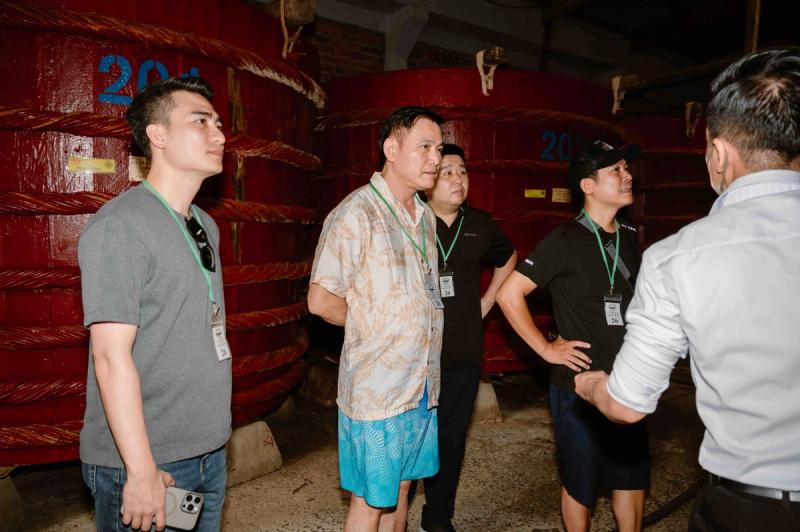
A barrel house smells nothing like a neat gift shop. The anchovies and salt are still doing their slow work, while the first amber sauce drawn from the wood will eventually reach somebody’s kitchen. Phu Quoc specialties are more interesting when you meet them as food first, then decide what deserves a place in the suitcase.

Taste the island through three ingredients: anchovy sauce, pepper and sim, and the dishes that use them. Add a bún kèn breakfast, a cooked seafood meal or a small local cake. This guide explains flavour and craft; the shopping guides take over when the question becomes which bottle, packet or producer to buy.
Reviewed:
Bún kèn is a useful first taste: minced fish and coconut with aromatic seasoning over fine noodles and vegetables. It is rich in a way that a clear bún quậy bowl is not. Bánh canh chả cá makes the fish-cake texture the centre. These bowls show how the sea enters everyday cooking without requiring a whole animal on the table.
Nấm tràm tells another island story. The mushroom gives soups an earthy bitterness, which some people enjoy immediately and others need time to understand. The point is the flavour, not the medicinal reputation repeated in old travel copy. Choose a prepared mushroom dish from a kitchen rather than treating an island walk as an invitation to identify edible fungi yourself.
The smell of a nhà thùng is the first introduction to anchovies and salt fermenting inside large wooden barrels. The craft is slow fermentation, not simply squeezing fresh fish. Khải Hoàn is one named producer whose own description gives a 12–18 month traditional process. The first drawn sauce, often called nước mắm nhĩ, is a different thing to taste from a sweetened restaurant dipping mixture.
At a meal, notice the sauce in its different jobs: a small dip, a caramel braise, a seasoning in soup. A stronger sauce can be used sparingly; more poured onto everything does not automatically improve the dish. The barrel-house craft becomes understandable when you taste the savoury depth against plain rice or a simple cooked fish portion.
There is a precise history worth keeping straight: Phú Quốc was registered as an EU protected designation of origin in October 2012. The protected name concerns a defined product and origin, not a blanket certificate for every bottle in a tourist shop.
Separate the tasting bottle from the sauce bowl beside your dinner. The bottle may contain the concentrated fermented product; the table dip may add sugar, water, lime, chilli or garlic for a particular dish. Comparing their saltiness as though they were interchangeable misses the work of the cook. Taste a small amount, then think about its intended use. For your own kitchen, a bottle for seasoning a braise and a prepared ready-to-use dipping sauce are different purchases even when both carry the island’s name.
The pepper garden gives a useful flavour lesson: black, white, red and green are not four unrelated spices. Drying darkens and wrinkles berries for black pepper; white pepper has the outer skin removed; red berries are ripe; green pepper is used fresh or preserved. The finished flavour depends on ripeness, handling and the batch as well as the colour printed on a bag.
Try pepper where it has a clear role. In lime salt it cuts through the sweetness of crab; in a braise it brings a warm finish; a fresh green cluster tastes more herbal. Pepper-farm visits add the view of vines climbing poles and the difference between a growing fruit and the dried peppercorn in your kitchen. A farm name and the particular product you taste are worth remembering together.
To taste pepper, start with a little crushed pepper on plain cooked food or in a small lime-salt dish. A heavily sweetened sauce makes it harder to recognise the aroma you are choosing. Whole peppercorns let you grind what you need later; a ready-made pepper-salt mixture is a convenience product with other ingredients. The original farm story is about a crop and the work around it. Keep that connection by choosing a maker and a product you can identify, rather than assuming the most expensive coloured packet must suit your cooking best.
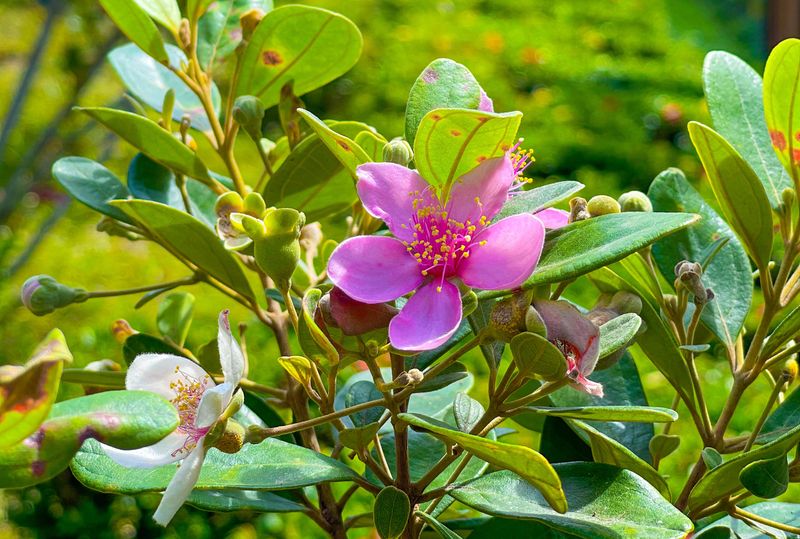
Sim berries travel from the island’s hills into jars, family tables and commercial bottles. Sweetness, acidity and alcohol vary with the product. Sim Sơn sells distinct sim products, including syrup and wine; a tasting should identify which you are drinking. A pretty purple colour cannot tell you whether it is syrup diluted with water or an alcoholic drink.
Keep the cultural story without turning it into a health claim. Offering a small glass can be hospitality, a gift can carry a memory, and the fruit’s sweet-tart flavour can suit a dessert or mixed drink. None of that needs a promise about digestion, vitality or curing the effects of a large seafood meal. Taste a small amount for flavour, then choose the product you actually like.
Dried squid grilled and torn into strips is a familiar snack; dried shrimp and small anchovies also work as cooking ingredients. Ask how the batch is meant to be used rather than treating every dry-looking item as ready to eat. A household cook may want dried shrimp for porridge or a savoury rice dish, while a visitor wants a prepared snack.
Mực một nắng is only partly dried and keeps a softer centre. Its cooking and storage needs differ from fully dried squid. That is a food distinction first, then a packing question. Once you decide what you want to cook or eat, the dried-seafood buying guide covers labels, cold storage and the journey home in detail.
Bánh khéo are small shaped sweets, with coconut, mung-bean or taro fillings among the fillings. A few pieces make a gentle tasting with tea or coffee. The colour and shape are part of the appeal, but the filling gives the flavour; ask what is in the particular batch rather than expecting all the small cakes to taste alike.
Bánh tét mật cật is a more substantial sticky-rice cake wrapped in mật cật leaves. It can contain mung bean and pork, so it belongs closer to something you slice and share than to a light sweet biscuit. The wrapper is part of the tradition, not a complete ingredient list. If you are choosing it for a group, find out the filling before deciding which meal it will accompany.
A useful food-and-craft day starts with something you recognise on the plate. Try a bowl or a rice meal, then visit a named pepper garden or barrel house along the same part of the island. The poles, barrels and drying trays explain a flavour already in your memory. A producer stop need not become a shopping circuit, and a tasting does not oblige you to buy.
For a cooked specialty meal, steamed crab with pepper-lime salt or a sour cobia soup gives different uses of the island pantry. Gỏi cá trích is a raw herring wrap preparation with coconut and herbs; it is a different choice from cooked fish. You can understand that food tradition without treating a raw dish as compulsory on every visit.
The best souvenir choice follows the meal: pepper for your own dip, anchovy sauce for a braise, a sim product whose sweetness you enjoyed, or a cake you can share soon. Choose by the food you want to make afterwards. A colourful island label is less helpful than knowing the maker, the actual product and what you will do with it in the kitchen.
A useful next decision
Explore the dishes, places and practical details that interest you.
Move from tasting decisions to label, receipt, packing and transport checks.

Check the label, responsible producer, bottle, receipt and liquid risk before buying.

Compare whole and ground formats, then check documented origin, weight and seal.
Separate alcoholic from non-alcoholic sim products before checking the bottle and baggage.
Anchovy fish sauce, pepper and sim are useful ingredient starting points. Bún kèn, fish-cake bowls, cooked seafood, nấm tràm and local cakes show how the pantry becomes a meal.
The EU registration is October 2012 as a protected designation of origin, PDO. The protected name identifies a defined product and origin.
They reflect ripeness and processing of pepper berries, rather than three unrelated spices. Green is used fresh or preserved; black is dried; white has the outer skin removed. Compare actual batches by aroma and intended use.
No. Syrup, wine and mixed drinks are different products. Ask which one is served and read the alcohol declaration rather than relying on colour or sweetness.
Bánh khéo are small filled sweets. Bánh tét mật cật is a denser sticky-rice cake, often with mung bean and pork, sliced to share. They suit different appetites and are not interchangeable vegetarian sweets.
It can help you understand the craft, especially after tasting the ingredient in a meal. A named product, maker and use matter more than completing several shops; tasting does not require a purchase.