
SHOPPING · LOCAL PRODUCT
Buying Phu Quoc Sim: Wine, Syrup and a Different Kind of Island Gift
Sim brings a different flavour to the island’s gift shelf: fruit, sweetness, a little tartness and, in an alcoholic bottle, warmth. It can become a drink with dinner or something mixed at home long after the holiday. But sim is the berry, not one standard recipe. The same shelf can hold syrup, wine, a stronger drink and sweets.
Choose the product and its use
Choose the product type before the bottle. A syrup is for mixing; a labelled wine or stronger sim drink is an alcohol purchase. Read the actual alcohol declaration, ingredients, volume and storage directions. Taste the same product you intend to buy instead of using colour or sweetness as an authenticity test.
Reviewed:
Sim is a fruit, not a single drink
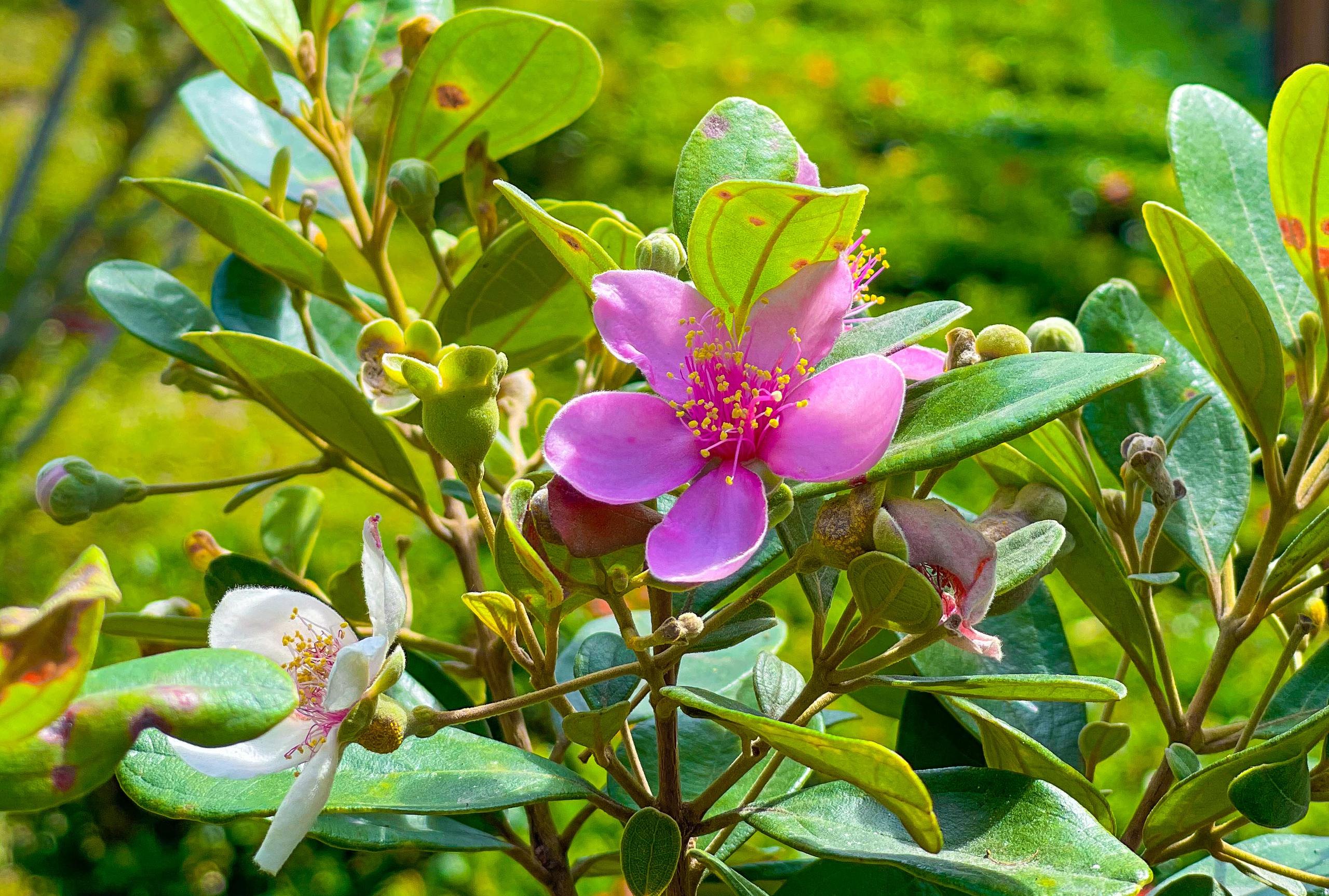
The island’s sim products use rose-myrtle fruit, with the familiar purple-red association carried into drinks and sweets.
Fermentation, soaking, sweetening and dilution can produce different products. That explains why a drink sampled at one counter can feel unlike another bottle with the same fruit name. Ask for the product name and type, not simply the darkest purple one.
Sim Sơn’s own catalogue gives a concrete comparison: it lists a 30-degree sim drink in a 500 ml format, sim wines described at 12 degrees, and syrup in 250 ml and 600 ml formats, alongside jam and candy. These are examples from one producer’s catalogue read on 20 October 2026, not a standard covering every brand. The label of the chosen bottle remains the reference.
A gift for a household that avoids alcohol may therefore be a syrup or sweet rather than a smaller wine bottle. Read ingredients and product information rather than inferring suitability from a child-friendly package or a mild taste. The fruit name alone does not settle the choice.
Taste the recipe you are buying
If offered a tasting, ask whether the sample is neat, chilled, mixed with water or served as a cocktail.
A syrup sample already diluted over ice is not comparable to a neat alcoholic drink. Note which version you liked and how it was served. That gives the gift a usable instruction instead of leaving the recipient to guess why the bottle tastes different at home.
Sweetness can soften the impression of alcohol without changing the labelled strength. Choose by both flavour and the declaration. A sweet drink is not automatically low-alcohol, and a dry or tart taste does not prove a more genuine product. For the return journey after a tasting, keep the driving arrangement alcohol-free.
For home use, syrup can be mixed into a cold drink or used in a dessert according to the maker’s directions. Sim wine is a separate table drink, not the same ingredient as syrup. The producer’s recipe and opening/storage directions are more useful than a generic claim that every sim product improves health. This guide makes no medicinal claim for it.
Read the producer and the recipe, not the bottle’s shade
The useful label identifies the responsible business, product type, ingredients, volume and alcohol declaration where applicable.
A producer may sell both fermented wine and a drink using added alcohol. Ask which process belongs to the actual bottle if that distinction matters to you. A story about berries growing on the island does not describe every step in the finished drink.
Do not judge authenticity by cloudiness, clarity, purple colour or a handwritten label. Filtration, recipes, packaging and storage can affect appearance. If the seller makes a particular claim about local fruit or production, connect it to the named product information. It is entirely possible to enjoy a well-described commercial product without needing a romantic backyard story.
When comparing a farm or producer visit with a shop purchase, separate the time spent learning about the product from the bottle price. A tasting visit can be worthwhile even if you choose not to buy. Conversely, a supermarket can sell the named product without offering the production story on site.
Compare type and volume together
Two 500 ml bottles may contain products with different alcohol strengths or recipes.
Compare within the same type first, then the volume. A 250 ml syrup and a 750 ml wine are not alternative sizes of the same drink. For an illustrative calculation only, 250 ml at 50,000 VND equals 200,000 VND/litre; it tells you the unit cost, not which recipe you prefer.
For gifts, small sealed bottles can be easier to divide than a large container. Read whether the advertised price is for one bottle, a pair or a complete set. Count glass and outer packaging when planning luggage weight. A promotional display can group several products, so keep the specific bottle name and quantity on the receipt.
Buy a quantity that fits the intended use after opening. Someone planning an occasional mixed drink may not want several litres of syrup, however attractive the unit price. The better value is often the pack that gets used while following the maker’s storage instructions.
Protect the product you actually selected
Keep the sealed original bottle, wrap against impact and contain a possible leak separately from clothes.
Follow the maker’s storage directions, including after opening. A syrup, wine and jam can need different handling; a common fruit name does not make their storage identical.
For a flight, alcohol strength, volume, container and route are relevant to carrier and destination rules. Check the actual product rather than applying a fish-sauce packing instruction to a sim bottle. For a non-alcohol gift, keep its ingredients visible too. Product protection, airline acceptance and entry permission are three separate jobs.
Frequently asked questions
Is every sim product alcoholic?
No. The catalogue can include wine, stronger drinks, syrup, jam and candy. Read the actual product type and ingredients.
Can sweetness tell me the alcohol strength?
No. Use the alcohol declaration on the bottle; sweetness can change the impression of the drink.
What distinction does Sim Sơn’s catalogue show?
Separate sim drinks and wines from syrup formats and sweets. The stated strength and volume belong to each named product, not to sim in general.
Is a cloudy or dark bottle more authentic?
Appearance alone cannot establish authenticity. Read the recipe, producer and product information.
Should the tasting match the bottle exactly?
Ask which product was sampled and whether it was diluted, chilled or mixed. Match the sealed bottle to that named product.
How can I use sim syrup at home?
Mix it into a cold drink or use it in a dessert according to the maker’s directions. Ask how the sample was prepared and keep the instructions for storage after opening.