Phu Quoc Farms & Local Products: Pepper, Fish Sauce, Pearls
A pepper garden smells different from the neat bag in a souvenir shop. A nhà thùng announces itself before you see the barrels. These short visits are at their best when a taste, a smell or a piece of work explains something you will recognise again at dinner.
Choose a pepper garden to see the growing vine, a fish-sauce barrel house for fermentation, and a pearl visit for cultivation and jewellery-making context. Sim and bee stops add tasting or small-scale production. A showroom demonstration is a different visit from a farm, even when both sell the same product.
One good visit with a clear explanation is enough for a half-day route. Buy because you understand the product, not because a tasting obliges you to fill a shopping bag.
Editorially reviewed:
PRACTICAL
Three details for the plan
Locate the place, understand the visit format and allow time for the part that matters.
Setting
Pepper: a growing-vine visit.
Visit format
Nhà thùng: anchovy-and-salt fermentation in wooden vats.
Useful detail
EU protection for the Phú Quốc fish-sauce name dates to 2012.
One useful detail for the visit
Pepper: one vine, different things in the kitchen
Pepper vines climb their supports in green columns, with berries hanging in narrow spikes beneath the leaves.
The growing plant explains more than a row of pre-ground jars: black, red and white pepper are linked to ripeness and processing, not three different coloured plants. Green pepper is the fresh berry used in cooking or preserving; dried whole peppercorns are the easier kitchen souvenir.
A path between columns of pepper vines.Phu Quoc Times photo library
Around Cửa Dương and the island’s inland growing areas, a garden visit can be a short walk between vines followed by sorting or drying when that work is happening. Do not make harvesting the only reason to go, because picking dates vary between farms and years.
Green pepper berries growing on the vine.Phu Quoc Times photo library
Ask to compare the aroma of the finished types and how the grower uses them with seafood. A useful visit leaves you knowing which pepper you want to cook with, rather than simply which pack has the brightest label.
Inside a nhà thùng: time is the ingredient
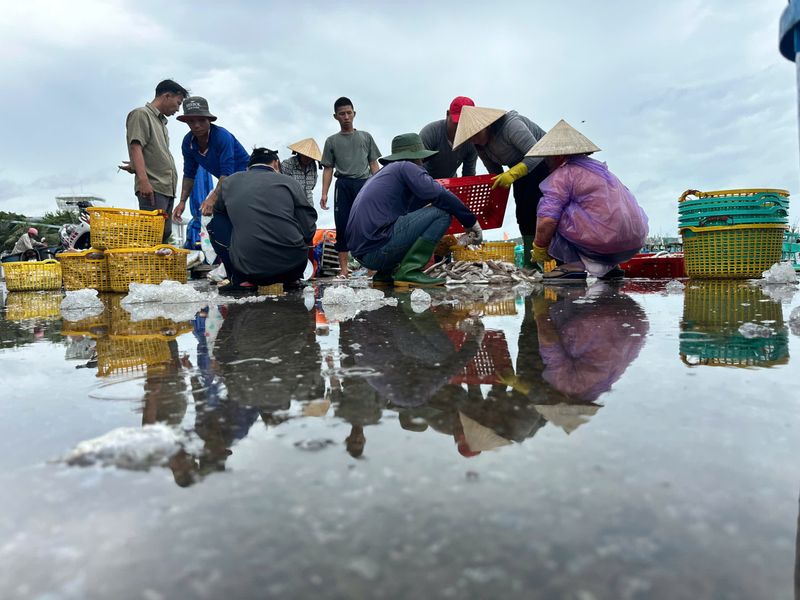
A traditional fish-sauce house is a place of large wooden vats, anchovies, salt and long fermentation, not a cooking demonstration that finishes while you watch.
Our original reporting names Khải Hoàn, Thịnh Phát and Hưng Thịnh among the barrel houses associated with the island; the individual guide is the place to choose the receiving address. The strongest explanation follows the contents of one vat from salting through drawing and bottling, with tasting if the host offers it. Phú Quốc fish sauce was entered into the EU protected-designation register in 2012, a useful piece of history behind the name on a bottle.
That registration is not a quality certificate for everything sold on the island. The stated nitrogen level, often called độ đạm, is also not by itself proof of a first draw. Look at the named producer, ingredients and product description together rather than buying the largest number.
Pearls, sim and honey: understand the finished product
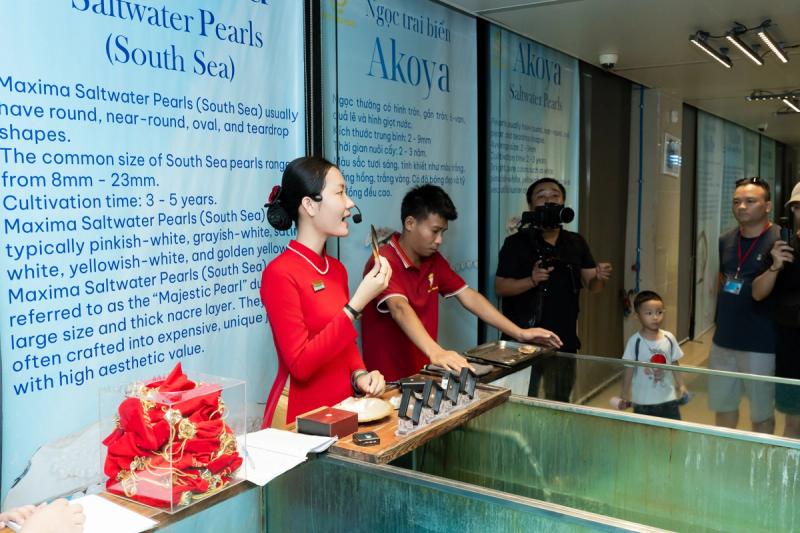
A pearl counter can make cultivation visible through an oyster-opening demonstration and the tools used to handle the pearl.
It does not mean visitors have toured the offshore growing lines. Ask whether the visit covers cultivation, processing, jewellery setting or mainly retail; each gives a different understanding of the craft. For a purchase, the useful distinctions are cultured pearl versus imitation, the metal in the setting and the seller’s written description, not a dramatic shell opening alone.
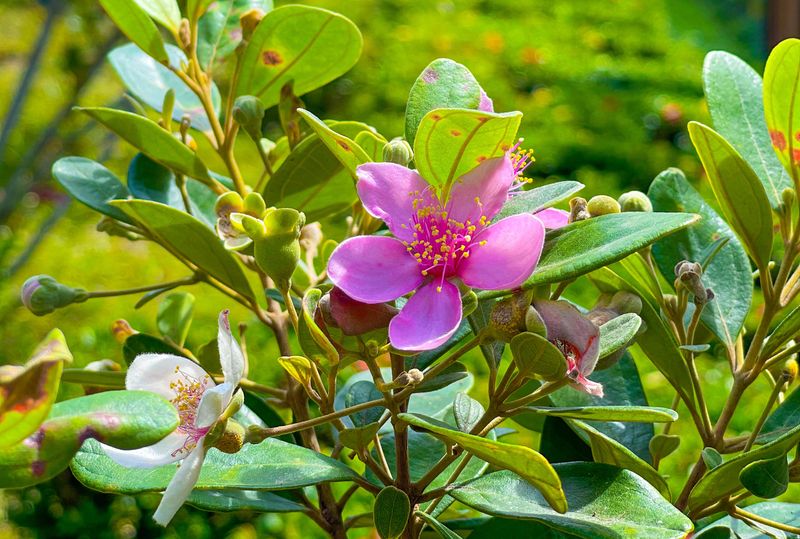
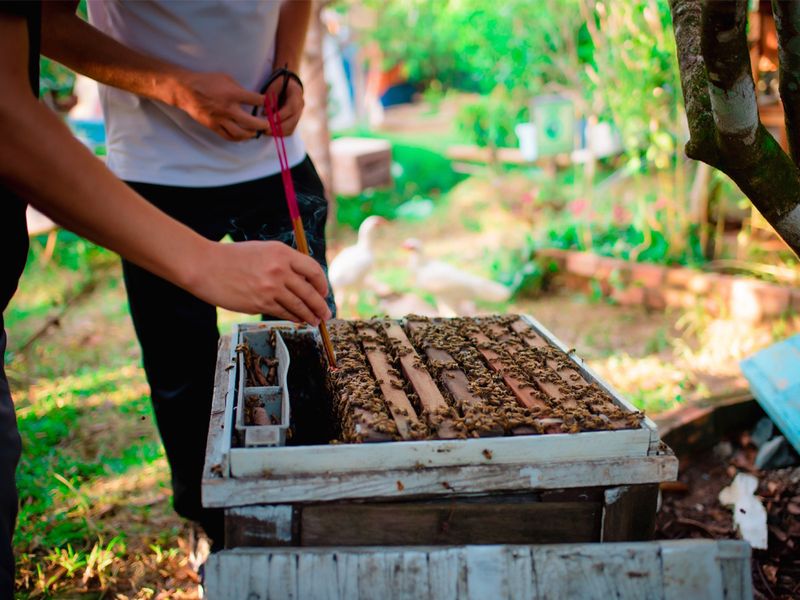
Sim products range from fermented alcoholic drinks to sweet syrup and other preparations, so read which one you are tasting. Honey stops may combine gardens, managed hives and a shop; do not turn “forest” on a label into an assumption about where that jar was harvested. A named producer and the specific product are more informative than the general word specialty.
Build a short route around a craft you enjoy
A central or inland pepper stop and a town-side barrel house can fit a road day without a northern resort detour.
A pearl showroom on another part of the island is a separate stop, not a compulsory chapter of every local-products tour. Budget roughly half an hour for a focused introductory visit as an editorial starting point, then more if the host offers a proper explanation or you want to shop. Some businesses receive walk-ins while others arrange visits, so the exact producer matters more than a generic free-entry claim.
For fish sauce, ask the seller about sealed transport packing and follow your actual carrier’s allowance; an attractive box does not overrule transport rules. A few well-chosen products you can use at home will hold the memory better than a bag of rushed purchases.
KEEP PLANNING
Related next decisions
Use Markets and Local Life for everyday commerce, Shopping for retail decisions, or Food and Drink when tasting and dishes matter more than production.
Specific answers for choosing the place and shaping the outing.
Are black, red and white pepper different plants?⌄
They can come from the same pepper plant; ripeness and processing produce the different finished types. Green pepper is the fresh berry, not simply another dry colour.
What will I see at a fish-sauce house?⌄
At a receiving barrel house, the main interest is wooden vats, anchovy-and-salt fermentation and the explanation of drawing and bottling. Tasting and access depend on that producer.
Does high độ đạm mean first-draw fish sauce?⌄
No. Nitrogen content and the extraction description are different pieces of information. Read the producer’s ingredients and product statement as well as the number.
Does a pearl demonstration include the offshore farm?⌄
Not necessarily. Opening an oyster in a showroom is different from visiting growing lines at sea; choose the visit for what is actually shown.
Is sim wine always alcoholic?⌄
The sim family includes different products. A fermented wine and a sim syrup are not interchangeable, so read the label and the host’s description.
How many production stops should I do?⌄
One or two with different processes is a good half-day choice. A garden and a barrel house teach more variety than several nearly identical retail demonstrations.