Phu Quoc Nature: Forest, Streams and the Cửa Cạn River
The greener Phu Quoc begins when you stop measuring the island only by its beaches. A stream changes the sound of an afternoon; a river lets the landscape pass at paddle speed; the northern forest makes a quiet road feel far removed from the resort coast. These are different outdoor days. Choose the landscape and actual route that interest you, then let the season shape the visit. A forest name on a map is not a trailhead, and a photograph of flowing water is not a year-round waterfall.
Choose Suối Tranh or Đá Bàn for a stream outing, Cửa Cạn for a river setting, and a properly arranged forest route for a deeper nature day. Stream flow changes with rain; the national park is a protected landscape, not one universal entrance or a promise of unrestricted hiking.
Choose the landscape first, then the route that actually gives you time in it.
Editorially reviewed:
PRACTICAL
Three details for the plan
Locate the place, understand the visit format and allow time for the part that matters.
Setting
Suối Tranh and Đá Bàn are stream outings, with seasonal flow.
Visit format
Cửa Cạn offers a river route rather than a forest summit.
Useful detail
A national-park map boundary does not establish a public trail.
One useful detail for the visit
Let the landscape decide the pace
For a short change from the coast, a stream visit can provide shade, water sounds and time sitting rather than a major expedition.
A river outing gives a different perspective again, with banks, mangroves and birds noticed from water level. A forest day needs a more deliberate route.
We would not sell all three as the same jungle adventure: the access, effort and time doing the actual activity differ. Choose one that fits the day available and use nearby food or a village stop as the addition, rather than cross the island chasing several landscapes.
The national park is a landscape, not one walk
Phu Quoc National Park protects much of the northern forest, within the wider Kiên Giang biosphere context recognised by UNESCO in 2006.
That context explains the ecological value, not visitor permission for every track. A road through the greener north, a short authorised walk and an interior trek are different products.
For a trek, arrange the actual route, access and guide rather than choose a mountain label such as Núi Chúa and navigate towards it. For a lighter day, use a known receiving point and let the forest-edge experience be enough.
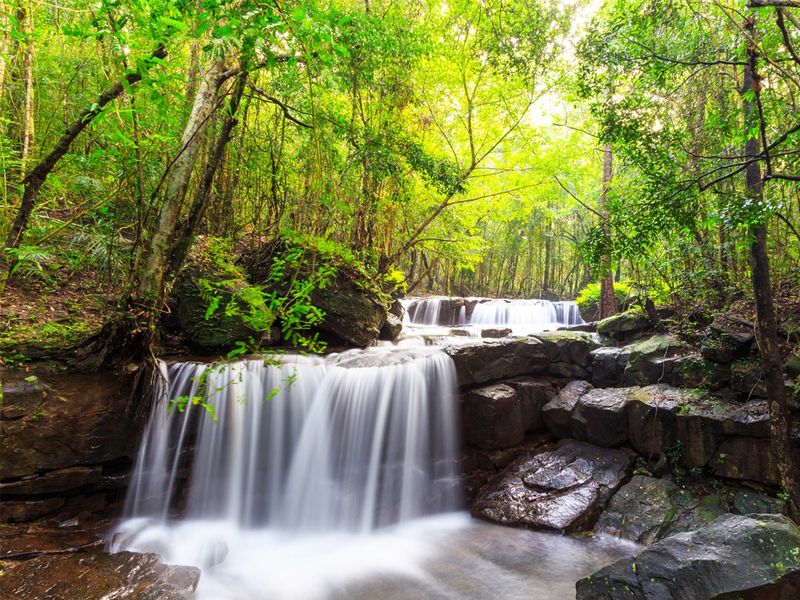
Suối Tranh and Đá Bàn change with the water
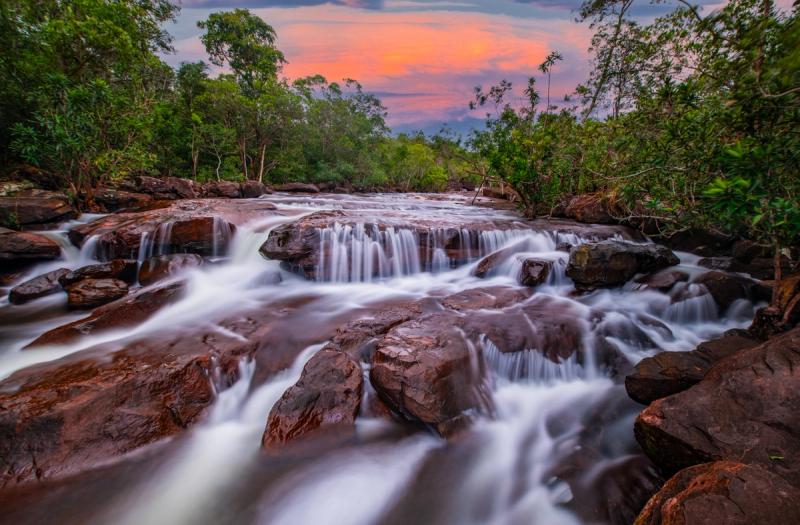
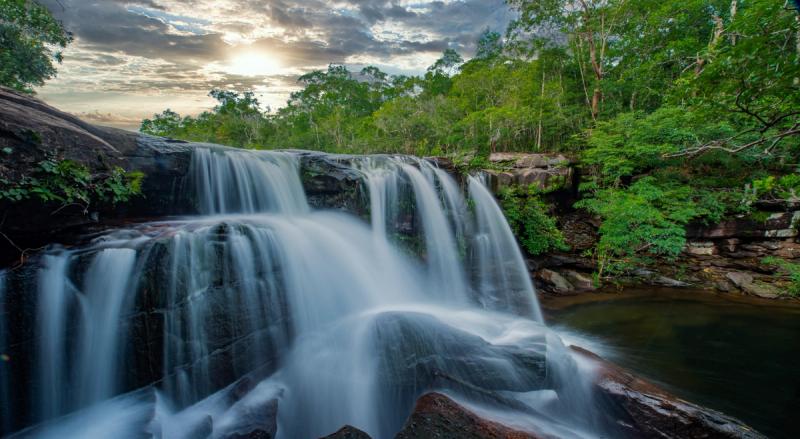
Suối Tranh offers a stream-and-cascade outing inland from the central/eastern side of the island; Đá Bàn is known for the broad rock surfaces around its stream.
Water flowing across the broad rocks at Đá Bàn Stream.Phu Quoc Times photo library
Flow is part of the choice. In drier periods, expect a different scene from the wet-season photographs rather than promise the same waterfall.
When rain has been heavy, wait for the receiving site’s assessment of access and water instead of treating the storm as the signal to go straight in. We would choose a stream day for the walk and setting as well as the water, leaving swimming conditional on the actual place and conditions.
Cửa Cạn changes the view from road to river
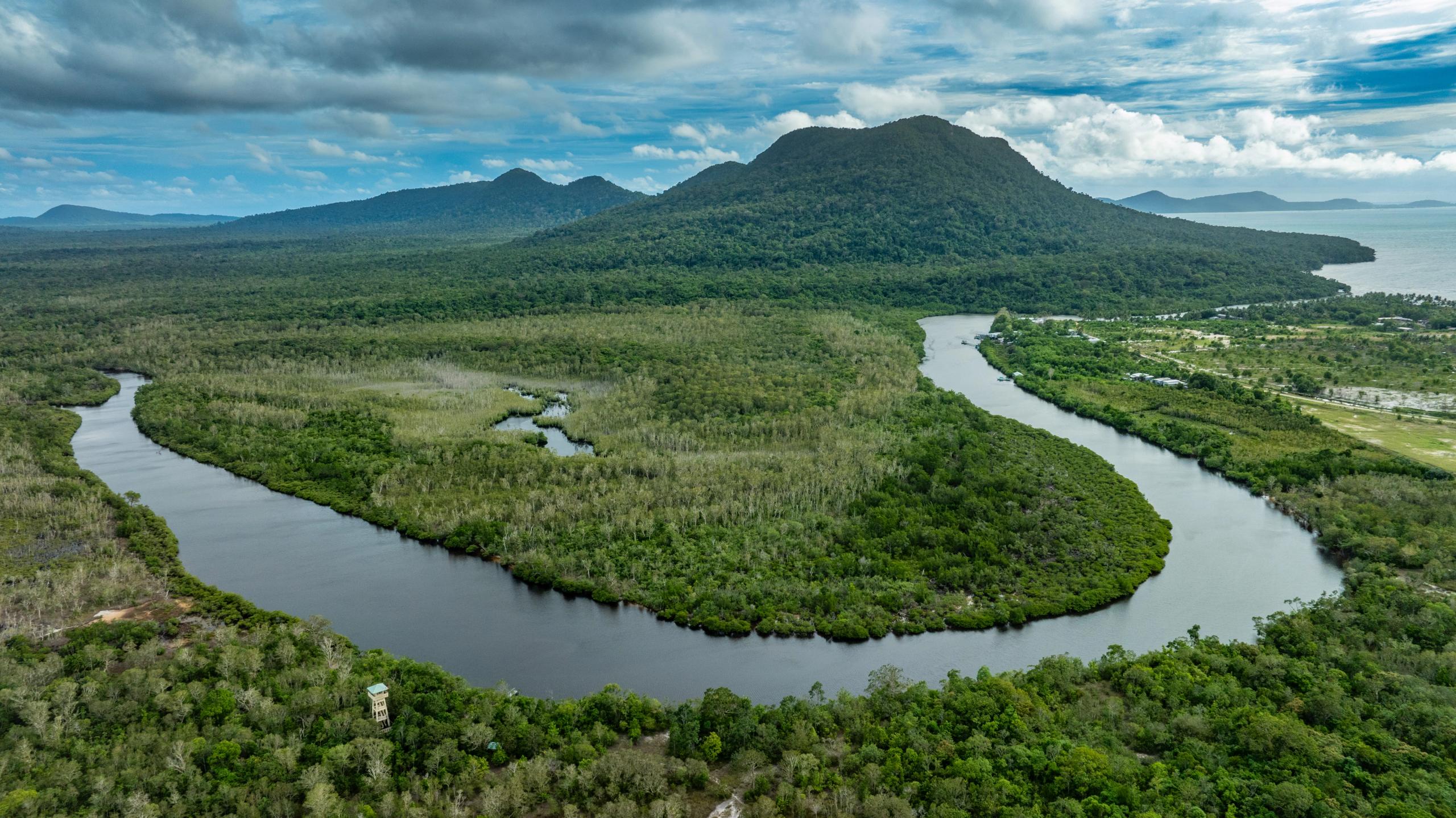
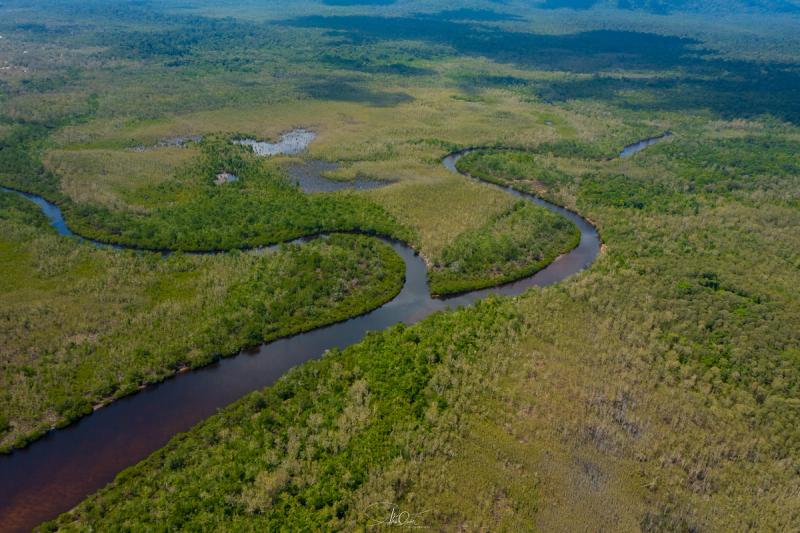
Cửa Cạn gives the northwest a river-based nature choice, with quieter observation of the banks and vegetation rather than a viewpoint reached by climbing.
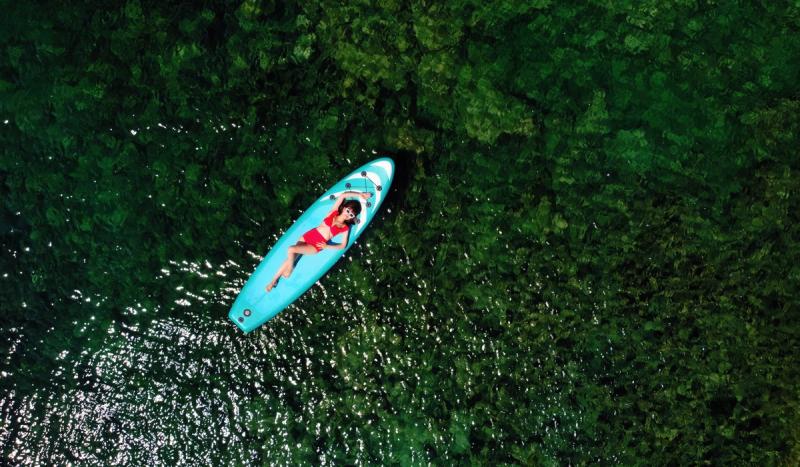
Cửa Cạn River and its wooded banks, photographed in June 2026.Partner photo collection
A paddling outing can make sense when the actual launch, route and return are arranged together. A bridge pin is not automatically a kayak operator’s meeting point.
We would give the river its own block of time, then eat in the same region instead of rushing to a distant attraction. If birds or photographs are the purpose, move slowly and let the scene develop rather than turn the paddle into a distance target.
Remote capes are a different kind of outing
Hàm Rồng and Ông Đội appear in island exploration, but neither name should be turned into an open, signed public nature trail by assumption.
A coastal locality, a resort entrance and a permitted visitor route are different things. Use the dedicated area or coast guide for the approach and receiving arrangements before committing a day.
For a first nature outing, we would choose the clearer stream or river plan over an uncertain cape approach. A more remote place becomes worthwhile when the actual route is part of what you have arranged, not when the map merely looks empty.
KEEP PLANNING
Related next decisions
Continue to Wildlife when observing animals is the main intent, to Islands and Ocean when the journey depends on a boat, or to Areas when road distance and a sensible land route matter most.
Specific answers for choosing the place and shaping the outing.
Which nature option fits a shorter outing?⌄
A stream visit with a clear approach can fit better than an interior trek. Choose the walk and setting as well as the water, since flow changes through the year.
Does the national park have one universal visitor gate?⌄
Do not plan it that way. Choose a specific authorised route and receiving point. A protected-area boundary on a map is not a trailhead or unrestricted access.
Are streams best immediately after a storm?⌄
More water can improve the scenery, but heavy runoff and wet rock can change access. Use the site’s current assessment rather than enter because an old photograph looked good after rain.
What is different about Cửa Cạn?⌄
It is a river setting, with the banks and vegetation experienced at water level on a suitable paddling route. The launch and return belong to the arranged outing.
Can I just head towards Núi Chúa?⌄
A mountain pin does not establish a permitted, navigable visitor route. Arrange the actual access and guide for a trek; choose a clearer short walk if that is not in place.
Does ecotourism mean animal sightings are guaranteed?⌄
No. Choose it for the habitat, route and way the visit is run. Birds, butterflies and quieter signs of life can make a good outing without a dramatic encounter.