Nature and Ecotourism
Compare all eight nature guides by setting, access, ability and conditions.
Read the guide

NATURE PLANNING GUIDE
The photograph often begins before the famous view. A fishing boat is still tied up, the river reflects a bank that will disappear in harder light, or a patch of wet stone catches a brighter piece of forest. Phú Quốc gives you very different pictures within a short journey. The trick is choosing one landscape for its light, rather than driving across the island to collect every viewpoint.
For nature photography, choose the east coast around Hàm Ninh or Cây Sao for a morning study, a western shore for sunset, Cửa Cạn for river reflections, or Đá Bàn and Suối Tranh for water and stone. Give one setting a full session; a phone and an attentive eye can do more than a crowded route.
We would plan one morning or evening session around a nearby meal, with room to wait for light. Wildlife, commercial shoots and drone flights need their own arrangements; this guide is mainly for photography from an ordinary visit.
Editorially reviewed:
PLAN QUICKLY
A river, a stream and a sunset need different attention.
An eastern morning around Hàm Ninh or Cây Sao offers a different story from a western sunset: shore, boats, changing sky and the beginning of a working day. Find a position from an existing public approach or a place where you are welcomed. A pier in a photograph may be a working or private structure, not a shooting platform you can walk along.
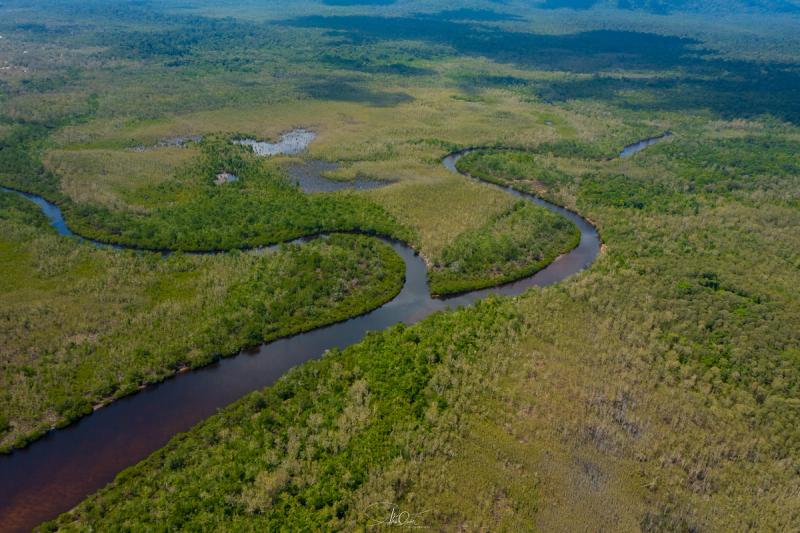
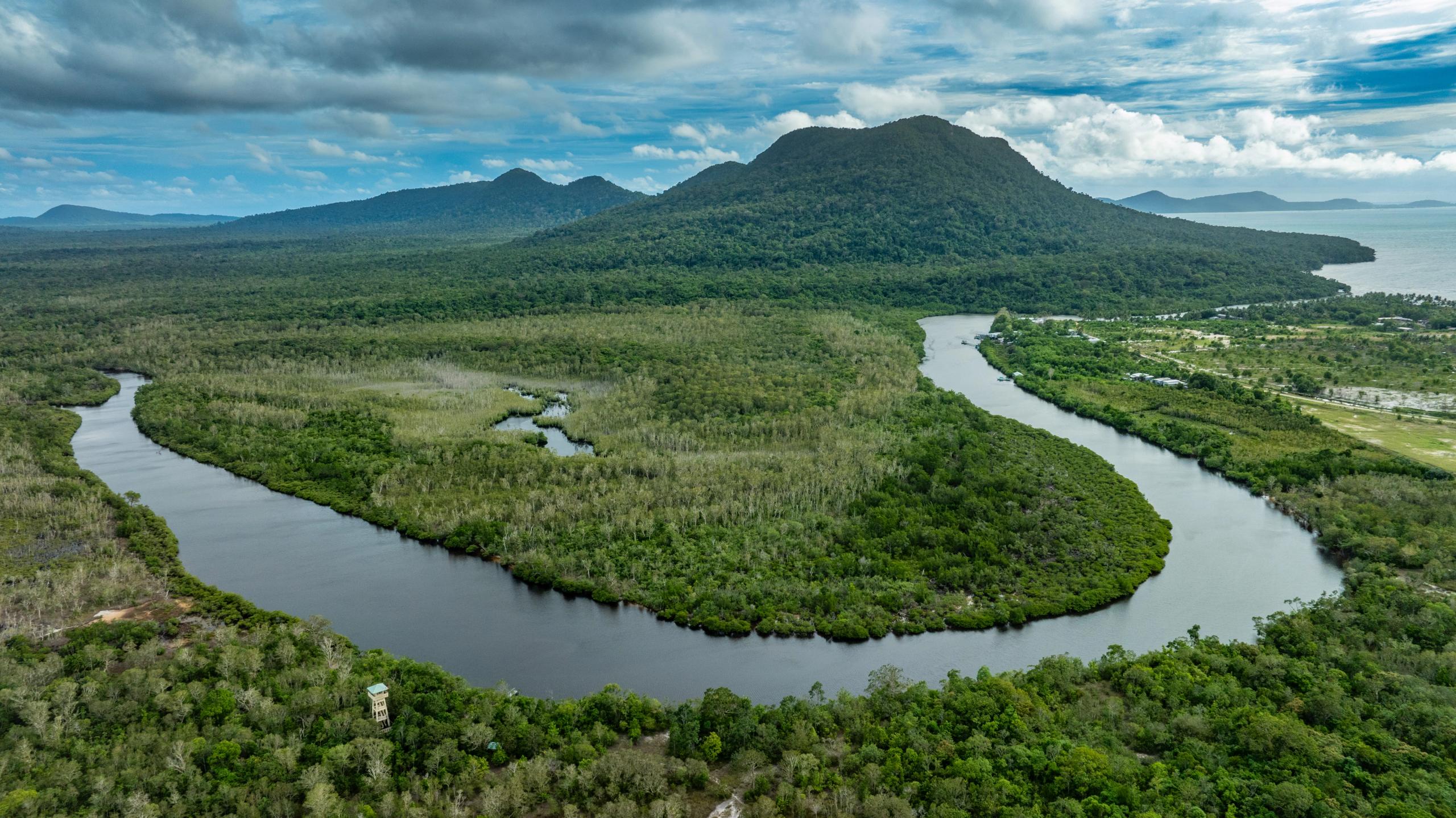
At Cửa Cạn, a reflection needs both light and relatively still water. A passing boat or a breeze changes the picture immediately. Choose a bank or guided water position where stopping does not obstruct anyone. Rạch Tràm offers a more northeastern river-and-forest landscape, but treat an aerial photograph as a different perspective, not proof that the same view is reachable on foot.
For the west coast, settle on one shore with a clear outlook rather than moving between several beaches during the best light. Keep a foreground: a rock edge, a boat or a tree gives the sky a place on this island. After the sun drops, stay for the softer colour and the first lights instead of packing up at the most obvious moment.
Forest photographs work on a smaller scale. At Đá Bàn, make the slabs and the path of water the composition. At Suối Tranh, use the channel to lead the eye through the trees. With a bright sky above a dark canopy, a tighter frame can be more effective than trying to fit the whole scene into one exposure.
Keep the route short enough to wait for changing light.
Arrive with time to look before taking the main photograph. Find the horizon, notice what enters the edge of the frame and take a simple first image. Then change one thing: move a step, wait for a boat to clear or lower the camera to include more foreground. A stronger sequence often comes from returning to the same frame as the light changes.
On a phone, clean the lens, keep the horizon straight and tap the bright sky to stop it washing out. Lower exposure slightly if needed, then make another version that favours the foreground. Use the normal lens before reaching for heavy digital zoom. For an evening image, a stable position matters more than adding another filter.
A tripod can make water appear smooth and evening lights stretch into lines. That is a photographic treatment, not how the scene must look to the eye. Keep the tripod on firm dry ground out of the walking line, and do not climb wet rocks to copy an image. Carry a small cloth and dry bag: spray, rain and moving between cool indoor air and humidity all affect the kit.
Leave the subject able to carry on after the photograph.
Keep wildlife photographs at a distance. Do not move starfish, bait birds, lift small creatures or break plants to clear a view. Ask before making a person the subject, especially around fishing work or a home. If a landing or a work area is busy, step aside and find another angle rather than expecting daily life to stop for the camera.
A drone brings a different set of access, aviation and privacy arrangements from ordinary handheld photography. An aerial image in the library is not permission for a new flight. For the casual visit, you can make a complete set from shore, a permitted path or an agreed boat position. Think in three frames: the wider setting, one relationship inside it and one small detail.
Choose the normal visitor approach to the named coast, river or stream. There is no single island-wide photography meeting point or guaranteed sunrise platform.
PHOTOGRAPHED PERSPECTIVES
Explore more perspectives on the guide’s subject. Each caption explains the context of the photograph when taken.
Explore related nature and island planning guides.
Compare all eight nature guides by setting, access, ability and conditions.
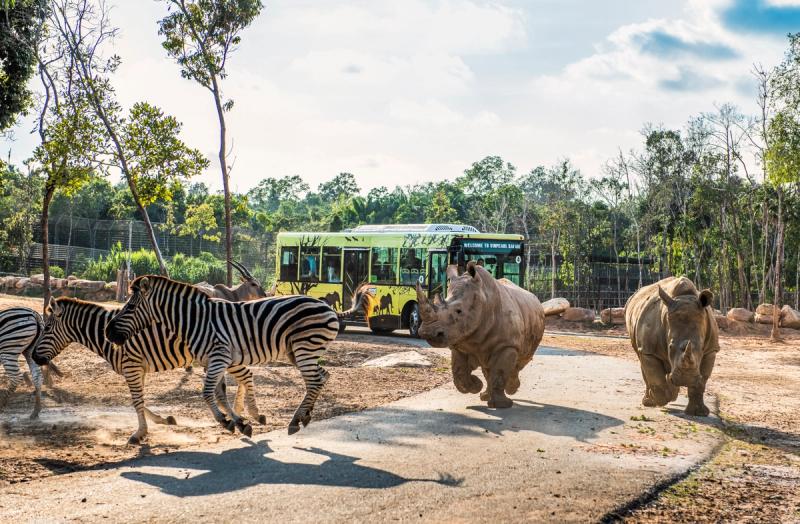
Plan observation with welfare and realistic expectations.
Review transport, weather and practical island decisions.
Specific answers for this experience.
Consider Hàm Ninh or Cây Sao on the eastern side, using a normal visitor approach. Pick one place and arrive before the light you want.
Choose a west-facing shore near your stay or return route. Allow time after sunset for softer sky and evening lights.
No. A clean phone lens, straight horizon, careful exposure and a clear subject are enough for a useful session. Bring a dry bag rather than unnecessary weight.
A longer exposure can blur moving water into a smooth surface. It is a photographic effect, not evidence that the current is calm.
Not necessarily. An aerial image may show a landscape without any public ground viewpoint. Use an agreed visitor position instead.
No. Leave starfish, birds and other wildlife where they are. Change your position or lens choice without disturbing the subject.
Editorial review: