Phu Quoc Local Markets: Morning Food & Island Life
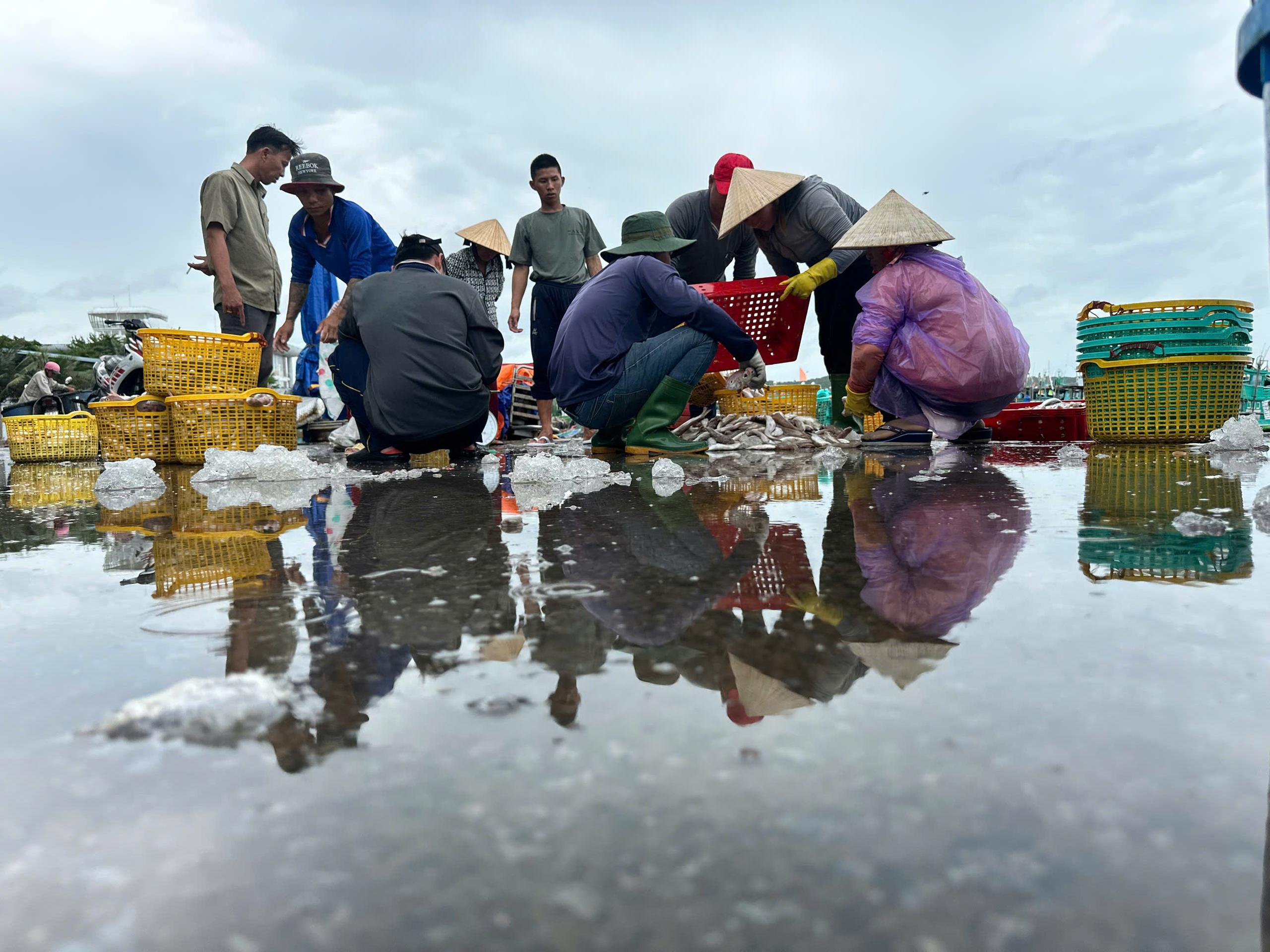
At Dương Đông market, a basket of fish can pass you before you have decided where to stand. This is the island shopping for dinner, not an attraction waiting for visitors. Come early, eat something and follow what is being bought rather than trying to see every aisle.
Dương Đông is the best starting point for a first working-market morning; An Thới fits a southern stay or excursion day. Hàm Ninh, Cửa Cạn and Gành Dầu work as smaller stops when you are already visiting that coast. Phu Quoc Night Market is a different evening food-and-shopping experience.
Allow about an hour for a first market walk and breakfast as our planning suggestion. A nearby market you can visit slowly is more rewarding than a ranking-driven trip across the island.
Editorially reviewed:
PRACTICAL
Three details for the plan
Locate the place, understand the visit format and allow time for the part that matters.
Setting
Dương Đông: riverfront working market.
Visit format
06:00–09:00: suggested active-morning window, not every stall’s hours.
Useful detail
An Thới keeps a market morning in the south.
One useful detail for the visit
Dương Đông in the morning, not the night market
Dương Đông market belongs to the riverfront town’s daily supply network: seafood, vegetables, fruit and household buying happen together.
Aim for roughly 06:00–09:00 for an active morning visit, an editorial recommendation rather than official opening hours for every stall. You will see a different mix later, when some seafood trading has quietened and dried goods remain easier to browse. The night market is a separate evening outing with cooked snacks, souvenir shopping and a much more visitor-facing atmosphere.
Vegetables and fruit at Dương Đông market.Phu Quoc Times photo library
Neither needs to replace the other. For a first morning, find breakfast, then make a short loop through the produce and seafood side instead of treating a wet working aisle as a place to stop a whole group. Small cash is useful for a bowl or a few pieces of fruit, and shoes with grip make more sense than beach feet on the fish-trading floor.
Notice how the catch moves
The interesting part is not only what lies on the counter, but what happens around it: sorting into baskets, weighing, icing and moving a purchase back to a motorbike.
A few minutes watching from the edge can explain the connection between the harbour and the meals you eat later. Photograph from somewhere that leaves room for a buyer to step forward. For portraits, a quick request is more appropriate than keeping the camera at someone’s face while they serve.
If you want seafood cooked for lunch, do not assume a raw-fish seller also runs a kitchen. Find the prepared-food stall or restaurant separately and agree what it will cook. Buying breakfast or fruit is often the simplest way for a visitor to take part without needing refrigeration or a kitchen at the hotel.
What makes a useful market purchase
Peppercorns, dried squid and other dried seafood turn up alongside everyday groceries, but a place on an island stall does not identify where a product was made.
For a gift, a named producer, sealed pack, net weight and legible ingredients give you something usable once you get home. Whole peppercorns let you smell and grind a small amount later; compare the same pepper type and pack weight rather than only the price of two different bags. Fresh fish is a good purchase for a villa with a kitchen and a prompt cooking plan, not a souvenir to carry through a long sightseeing day.
Dried seafood and fish sauce also need suitable packing and the actual carrier’s rules if you are flying. Keep the market visit about a purchase you can use, rather than taking every specialty mentioned on a shopping list.
Use the market on your side of the island
An Thới market is the working-town counterpoint to nearby Sunset Town: a southern morning of breakfast, fish and groceries rather than a theatrical square.
It fits before a southern road outing, but leave a fixed boat or cable-car appointment enough time for the transfer. Hàm Ninh market belongs with the village and an eastern seafood meal; Gành Dầu and Cửa Cạn belong with their own northwest and river-mouth neighbourhoods. Those smaller markets are useful because of where they are, not because each needs a half-day expedition.
A market can be the opening scene of a day, followed by one village, beach or production visit nearby. It does not have to become another long list of stops with the same paragraph under a different town name.
KEEP PLANNING
Related next decisions
Continue to Fishing Villages for waterfront communities, Farms and Local Products for production, or Food and Drink and Shopping when eating or purchasing is the primary intent.
Specific answers for choosing the place and shaping the outing.
Are Dương Đông Market and Phu Quoc Night Market the same?⌄
No. The working market is a morning choice for seafood, produce and daily trade. The night market is an evening food and souvenir outing.
When should I visit a working market?⌄
Around 06:00–09:00 is our suggested window for an active morning, not a guaranteed schedule for every seller or a boat landing.
Which market fits a southern stay?⌄
An Thới market keeps the outing in the south. You do not need a return journey to Dương Đông simply to see daily market life.
Can I buy seafood and have it cooked?⌄
Some businesses provide cooking, but a raw-seafood stall is not automatically one of them. Agree the kitchen, weight and preparation cost before buying.
Is everything sold at a Phu Quoc market made on the island?⌄
No. Read the producer and origin on the specific pack. The market’s location alone does not establish provenance.
How long do I need for a first visit?⌄
About an hour with breakfast is a useful first allowance. Stay longer if you enjoy browsing, rather than trying to cover several distant markets.