Markets and local life
Choose a market by area and what you want to buy.
Read the guide

WORKING MARKET GUIDE
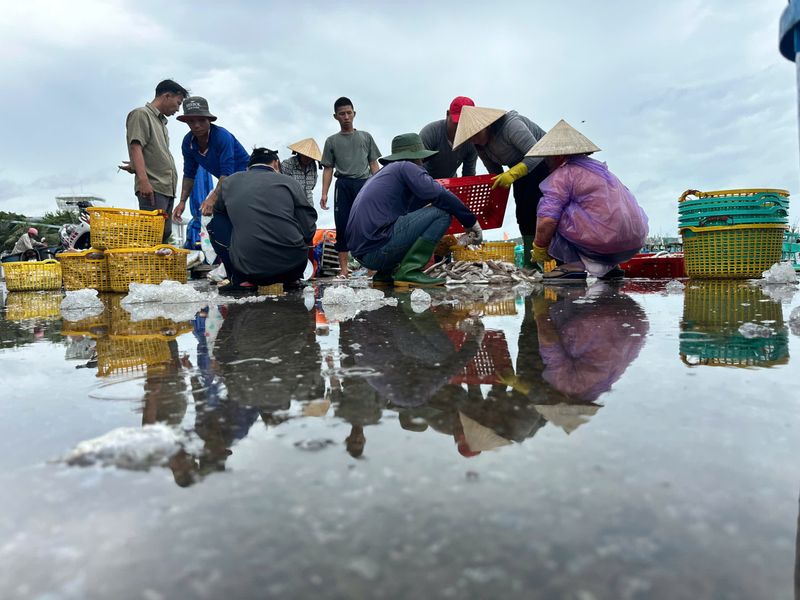
Before the south-island tour day gets going, An Thới already has pots on the boil. A bowl of noodles, a parcel of bánh mì, someone balancing herbs beside a scooter: the market is part of the morning that feeds the people working here. It is worth seeing An Thới at that scale before the day shifts towards boats and cable cars.
Visit early for breakfast and a short market loop. It pairs naturally with a southern day when there is real time before your boarding or cable-car plan; the market, harbour and cable-car station are separate destinations.
This is a daily-food market, not a seafood restaurant promising to cook every purchase or a check-in point for your island tour.
Editorially reviewed:
PLAN QUICKLY
The covered stalls and breakfast corners give An Thới a different scale from Sunset Town.
The covered market entrance leads into a place where groceries, household shopping and breakfast belong together. It serves a town with its own daily routine, alongside the much more visible visitor departures. A short loop gives you that contrast without needing an organised market tour.
Breakfast is the most useful starting point. Our originals describe bowls of bún, fish porridge and hot bánh mì among the morning choices. The appeal is a small meal in the middle of a town already working, not a hunt for a single compulsory dish that every vendor must serve. Look at what is being cooked and choose the part you want.
The fresh-food trade gives the market another layer: squid, fish and shrimp alongside herbs and fruit. A traveller with a kitchen may be shopping for lunch; someone heading out to the islands should enjoy the scene without buying raw food they cannot keep. A market can be interesting even when you leave with only breakfast and a little fruit.
An Thới also shows why “the south” is too broad a label for a drop-off. Its everyday market streets, the island-tour harbour and the built waterfront of Sunset Town do different jobs. Seeing those differences gives a better understanding of the town than treating everything as a waiting area for Hòn Thơm.
Start from the actual meeting time and leave the market with room to spare.
Around 06:00–08:00 is our suggested market window from the original morning account. Allow 45–60 minutes for a meal and short loop, then add travel to the next destination. Do not count a harbour check-in time as the moment you can still be sitting over breakfast elsewhere in town.
For an island tour, save the exact harbour and meeting point supplied by the trip. Pack purchases compactly and take only what you intend to consume or can store. A wet-market bag of seafood does not belong on a full sightseeing day simply because the morning price looked tempting.
For a cable-car day, a separate market breakfast makes sense when you have arranged your own transport and know the station time. It does not automatically fit a hotel pickup that goes directly to the attraction. Put breakfast on a different morning if adding the stop would make the whole group late.
Without a timed excursion, go more slowly: breakfast, fruit and a look around the covered stalls can be the morning’s purpose. Lunch or an evening in Sunset Town can come later. There is no need to force the market into the same hour as every other southern attraction.
Think about where the purchase will go after you leave the stalls.
If you want a meal now, buy from a stall serving cooked food. If you want fish or squid cooked elsewhere, arrange a willing kitchen before buying and agree its preparation charge separately. Retail seafood and a restaurant meal are different services; the market name alone does not bundle them.
Fruit works well as a small purchase if it suits your next stop: ask whether it is sold by piece or weight and whether it is ready to eat. Buy a sensible amount rather than starting a boat trip with more bags than hands. Keep any cutlery, packaging and peel for a proper bin instead of leaving them at a harbour or beach.
Carry small cash and look at the weight for goods priced by kilogram. For a mixed group, point to the actual dish or write the order clearly instead of assuming a quick nod means several different items have been understood. It is easier to order one round accurately than untangle a bill after everyone has eaten.
Use shoes with grip on wet floors and keep away from the path of loaded carts or people carrying baskets. Ask where to park rather than leaving a scooter across a stall entrance. A taxi return should meet you at a clear roadside point outside the crowded access.
Use the exact Chợ An Thới market destination in southern Phu Quoc, then save your separate harbour or cable-car pin. The same market name occurs elsewhere in Vietnam; include Phú Quốc when sharing it with a driver.
Choose a market by area and what you want to buy.
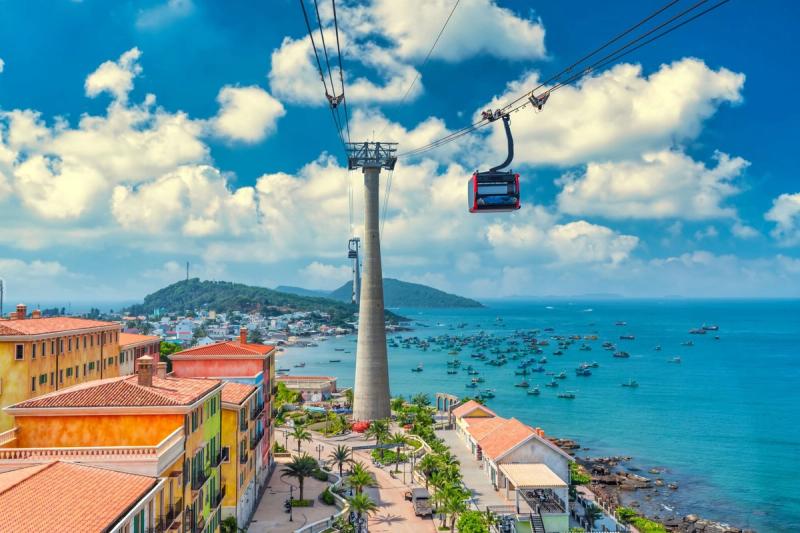
The surrounding village, coast and road connections.
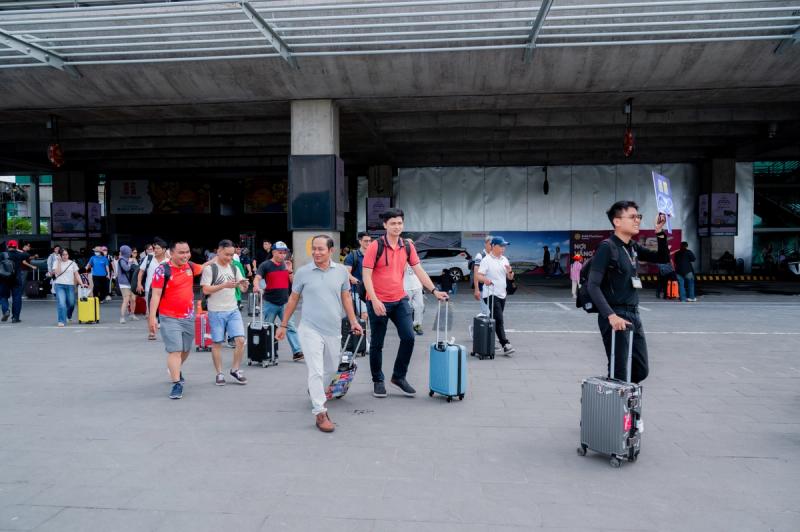
Transport, weather and practical island planning.
Breakfast, river trade and food gifts.
Choose crab and arrange a cooked meal.
Specific answers for this experience.
No. The market, station and island-tour harbour are separate places. Save each actual pin and include onward travel when arranging breakfast.
Around 06:00–08:00 is our suggested window for breakfast and the working morning scene. Individual stalls have their own hours and sell-through, rather than one guaranteed market timetable.
Our originals describe bún, fish porridge and bánh mì among the choices. Choose from an actual stall’s hot food instead of expecting a set tasting route.
Yes, if there is room for the market and transfer before the tour’s real meeting time. Keep purchases small; do not bring raw seafood on a day without refrigeration or cooking.
No. A fresh-food seller is not automatically a kitchen. Arrange the cook and its fee before buying if you want a prepared meal from selected seafood.
Allow roughly 45–60 minutes for breakfast and a short loop, plus travel to the next stop. Stay longer only when you are not trying to meet a fixed boat departure.
Editorial review: