Phu Quoc History and Museums: Prison and Island Memory
Phu Quoc’s history is easy to lose behind the resort photographs. At the prison site in the south, barbed wire, reconstructed confinement scenes and memorial space bring a much harder island story into view. A museum collection asks different questions about the objects and everyday life that outlast a holiday. Choose the visit for what you want to understand, not simply because it appears under rainy-day activities. The prison in particular deserves a pause of its own, rather than a quick stop measured by the number of photographs you take.
Choose Phu Quoc Prison for wartime imprisonment and remembrance, with time for the displays and difficult reconstructed scenes. Coi Nguon offers a different, private-collection approach to island material culture. Put the southern prison into a southern route; a museum near the central accommodation area answers a different journey.
A memorial site, a private collection and a scenic landmark are different kinds of visit.
Editorially reviewed:
PRACTICAL
Three details for the plan
Locate the place, understand the visit format and allow time for the part that matters.
Setting
Prison site: southern An Thới area.
Visit format
Around an hour is an editorial planning allowance, not a fixed tour duration.
Useful detail
Reconstructed confinement scenes can be graphic.
One useful detail for the visit
The prison site gives the south another story
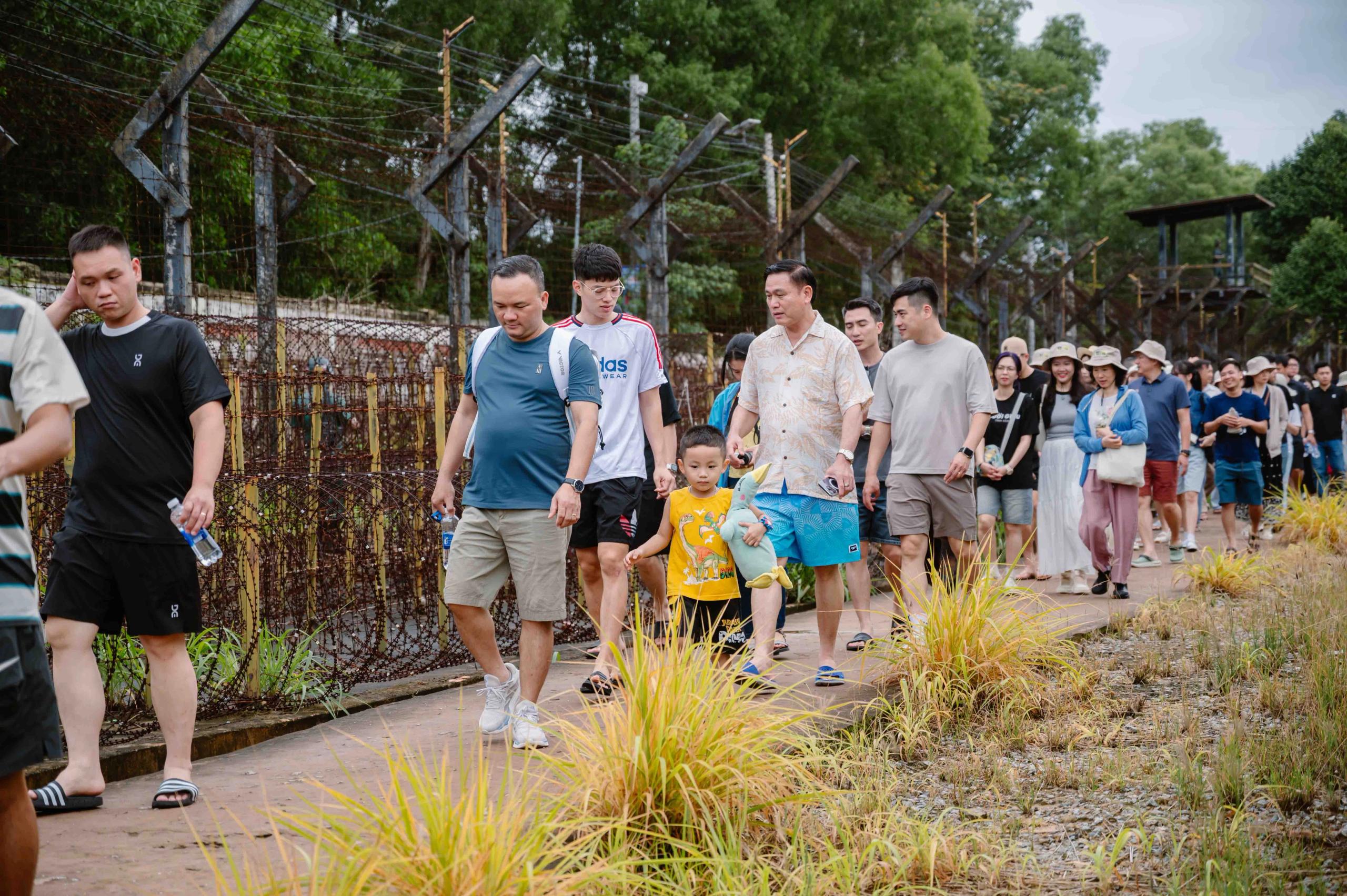
Known as Nhà lao Cây Dừa as well as Phu Quoc Prison, the site near An Thới deals with imprisonment and wartime suffering rather than the leisure history of the modern island.
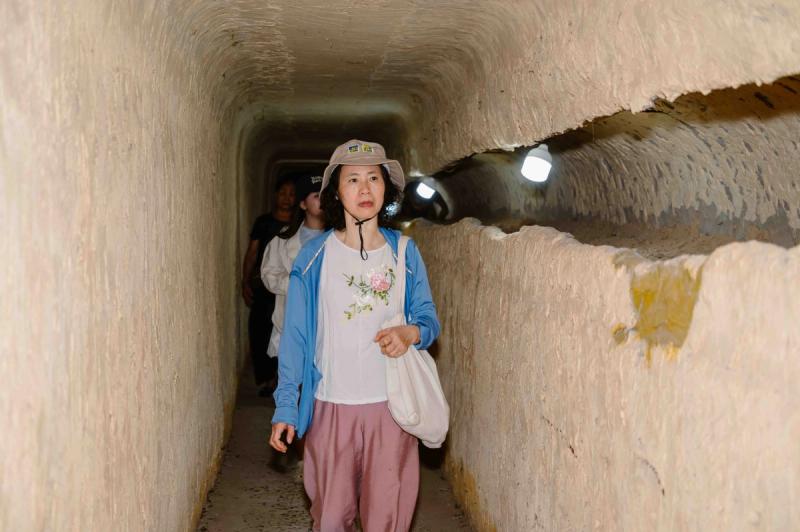
The visit includes displays and reconstructed scenes of confinement and punishment. Read the sequence rather than glance at one dramatic image and move on.
Visitors at the Phu Quoc Prison historical site.Phu Quoc Times photo library
We would reserve roughly an hour as a planning allowance, longer if you read closely, rather than promise that a rushed twenty-minute stop explains the site. The detailed prison guide gives the historical account; this hub helps decide whether that is the visit you want.
A collection tells history through objects
Coi Nguon represents the island-collection side of the choice, with material culture rather than a prison route as its focus.
Objects can help you ask how people lived, worked and understood the island; they are not simply old-looking decorations to pass on the way to the next photograph. Use labels to distinguish an original object, reproduction and explanatory scene.
For a dedicated Coi Nguon visit, establish that the venue is receiving visitors before travelling; then choose it for the collection rather than assume any museum is an always-open rain shelter.
Give a difficult visit a thoughtful place in the day
The prison displays can be graphic, particularly around reconstructed torture and confinement.
With children, decide whether the material suits the visit before adding it between beaches; taking turns with an adult outside can work better than requiring everyone to see every scene. Afterwards, leave a quieter interval rather than rush directly into an upbeat group photograph.
Geographically, the site fits a southern day around An Thới, Khem or Sao, but proximity does not make it the same kind of experience. Treat the transition as part of the plan and give the site the tone it deserves.
KEEP PLANNING
Related next decisions
After reading history through evidence and collections, continue to Culture and Temples for living heritage or Farms and Local Products for production traditions that still shape island life.
Specific answers for choosing the place and shaping the outing.
What is the difference between the prison and a museum collection?⌄
The prison focuses on imprisonment, war and memory at a historic site. A collection such as Coi Nguon explores island material culture through objects. Choose by the subject you want to understand.
How much time would you put aside for the prison?⌄
Roughly an hour is our suggested planning allowance, with longer for close reading. It is not a fixed guided-tour duration or a reason to hurry through difficult displays.
Is it suitable for small children?⌄
Some reconstructed scenes are graphic. Choose the parts the family wants to engage with and allow an adult to stay outside with a child rather than treat full participation as compulsory.
Are all the prison scenes original surviving objects?⌄
No. The visit includes reconstructed scenes. Read the labels and historical explanation to understand what each display represents.
Is a museum always a reliable rain fallback?⌄
Only when it is receiving visitors and its location fits. The prison also has outdoor movement, so neither a museum label nor an old listing guarantees a fully covered, immediately available visit.
Which area fits the prison visit?⌄
The southern An Thới–Khem–Sao part of the island. Keep time for the historical visit itself instead of using it only as a quick roadside addition.