History and Museums in Phu Quoc
Compare both complete history-place guides.
Read the guide

HISTORY PLACE GUIDE
A fishing island leaves more than a view behind. It leaves vessels, household objects, tools and things recovered from the sea. Cội Nguồn approaches Phu Quoc through that material world. Its appeal is a change of scale: from the broad island story to the object someone once made, used, kept or collected.
Cội Nguồn is a private collection museum on the central-west Trần Hưng Đạo hotel corridor, separate from the southern prison site. The tourism portal lists 149 Trần Hưng Đạo and 0297 3980 206. It is worth considering for island material culture, but current opening and gallery access need a direct check before a dedicated trip.
Allow around 45–75 minutes if the collection is receiving visitors. Choose it for patient looking and local objects, rather than expecting a large international museum or a guaranteed all-weather family attraction.
Editorially reviewed:
PLAN QUICKLY
The useful question is what an object did before it became a display.
The published collection outline moves through nature, settlement, archaeology, maritime material and everyday island life. Use those themes as a way to choose your attention rather than a promise that every floor or object will be available. Start with one theme that connects to something already seen on the island, such as a fishing village or a working market.
A container can open a question about storage, trade or the work of a household. A tool can lead to a question about who used it and which material was available. Look for a label giving date, use and origin, then compare the object with everyday practices still visible outside. That makes a small collection more useful than a hurried sweep through every cabinet.
Keep a collected object separate from the story told about it. An archaeological date, an owner’s attribution and a later interpretation are different kinds of information. If a label is brief, a question to staff can be worthwhile; if the answer is uncertain, the object can still be interesting without turning a possible origin into a settled historical claim.
EXPERIENCE CONTEXT
A framed overview of Coi Nguon objects with readable gallery contextMake the receiving arrangement first, then give the collection an unhurried hour.
The published address makes this a possible short stop from central-west accommodation. Before sending a car, use the published contact to ask whether the museum galleries are receiving visitors, what entry costs and which parts are open. Ask about the galleries themselves, not only the surrounding property, so the journey matches the collection you want to see.
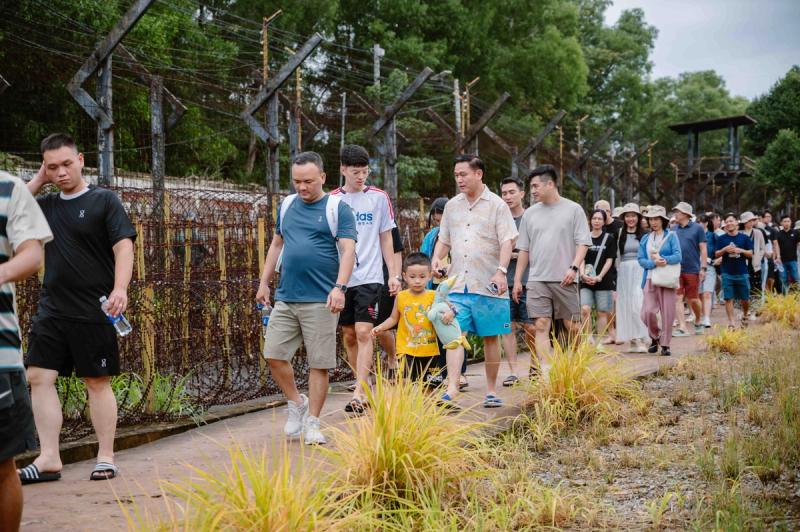
Once a visit is arranged, choose one or two themes and leave time to read. A lunch or town walk nearby can follow without a long transfer. Do not replace this with the prison by accident: the prison is a different southern journey with graphic conflict-history displays, while this choice is about a collected material record of island life.
A useful visit depends more on interpretation than the number of objects.
Ask what interpretation is available in your language. A driver does not automatically provide a museum explanation, and a short English label may need more context than a translated name. Bring a few questions about use, provenance and the island connection rather than expect an audio-guide system or a guided programme that has not been established.
Because the published outline spans several levels, anyone avoiding stairs should ask which galleries they can reach before travelling. Do not make an accessibility or rainy-day guarantee from the word museum alone. Photography and object-handling instructions belong to the collection staff; looking closely does not require touching the exhibit.
PRACTICAL PLANNING
Coi Nguon Museum approach, entrance and visitor route in contextThe published destination is 149 Trần Hưng Đạo, not the prison in An Thới. Use the museum’s published telephone 0297 3980 206 to establish current receiving arrangements before a special journey.
VISITOR CONTEXT
Coi Nguon Museum photographed with respectful visitor behavior and no staged intrusionFollow the museum's island-life questions into distinct historical and cultural guides.
Compare both complete history-place guides.
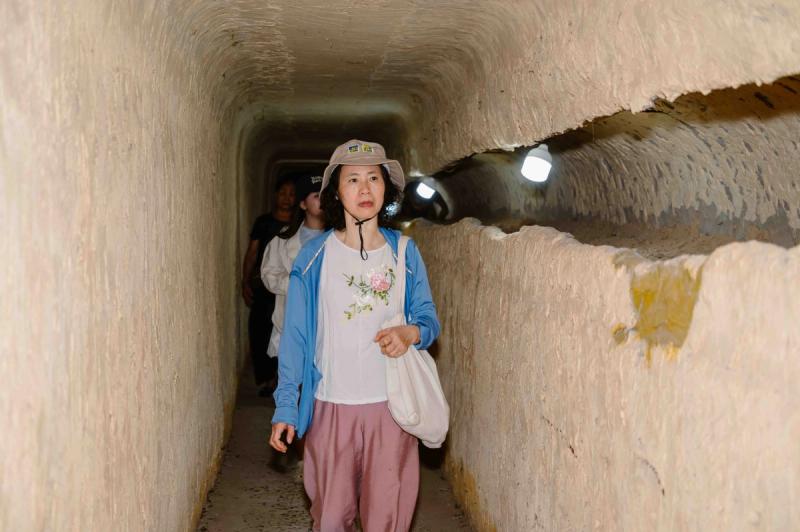
Understand the island's conflict history through a distinct memorial site.

Use the canonical guide family for living worship and memorial practice, including Nguyen Trung Truc Temple.
Plan the wider journey without unnecessary backtracking.
Specific answers for this experience.
No. Cội Nguồn is a separate private collection on the central-west corridor; the prison is in southern An Thới.
The published outline covers natural and material island history, including settlement, archaeology, maritime themes and daily life.
Arrange gallery access first. Current opening, reachable floors and visitor facilities have not been established well enough to make an all-weather guarantee.
Around 45–75 minutes is a useful allowance if the museum is receiving visitors, especially if you want to read labels.
That has not been verified. Ask which galleries are reachable for your needs before arranging transport.
Not necessarily, but ask what labels and language support exist. Someone able to explain objects adds a different service from transport.
Editorial review: