
Nature and Ecotourism
Compare all eight nature guides by setting, access, ability and conditions.
Read the guide

NATURE PLANNING GUIDE
The appealing part comes after the day boats leave. The beach changes its sound, dinner takes longer and the morning begins before the next group arrives. That is why sleeping on an island can feel different from adding one more stop to a boat tour. But the difference between a lovely night and an awkward one is mostly practical: the tent, the shower, the last transfer and the first coffee.
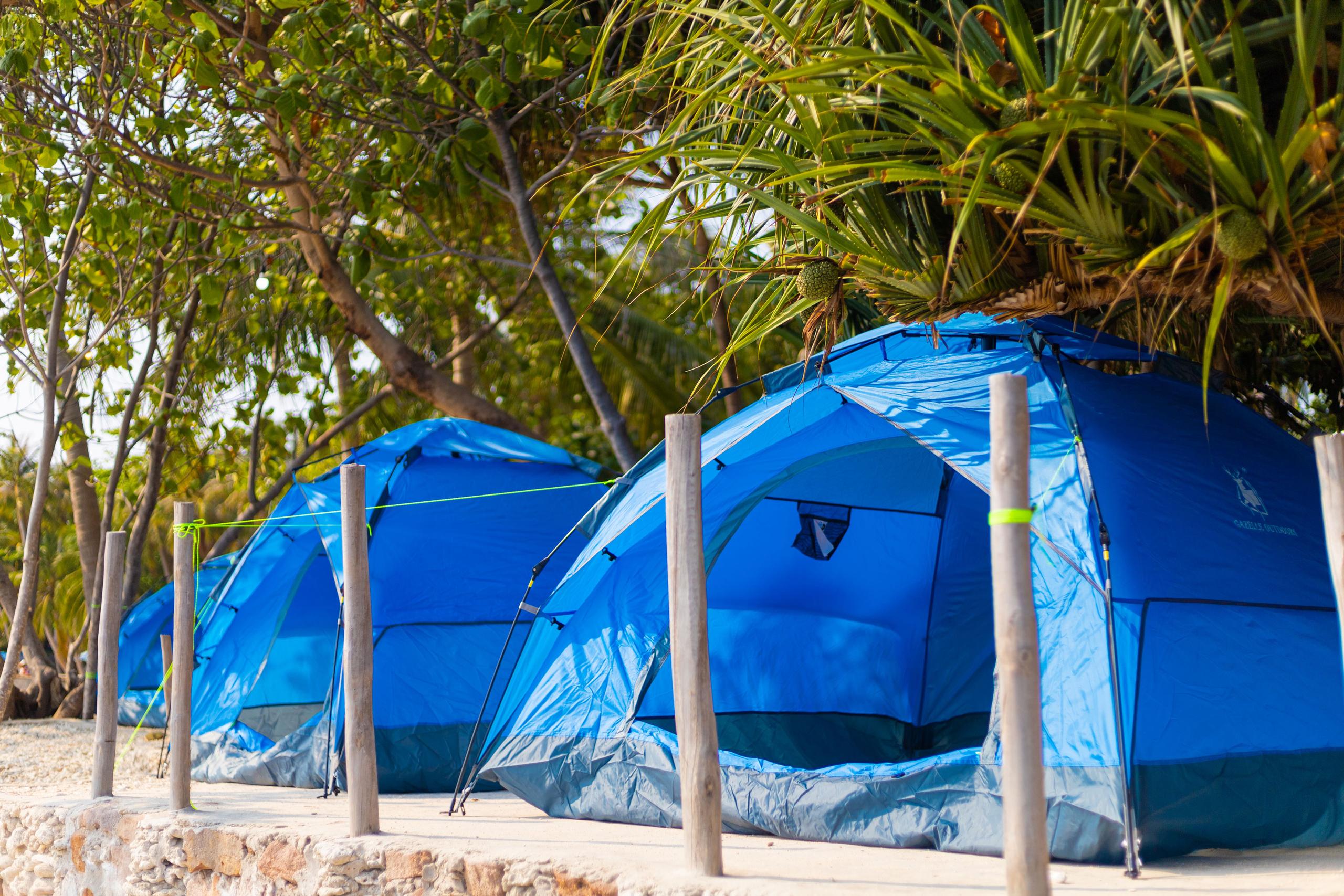
For a first camping night in Phú Quốc, choose an organised campsite with transport, meals and facilities arranged. Mây Rút Trong has a documented tent-stay product and a different two-day boat-and-camping programme. Compare those formats first; an overnight stay is not automatically a full island-hopping tour.
Choose it for the quieter evening and morning, not as a cheaper hotel with every comfort transferred to the sand. Plan the next day’s return before adding a flight or a distant evening show.
Editorially reviewed:
PLAN QUICKLY
The same island name can hide a very different itinerary.
A campsite stay concentrates on the night itself. One published Mây Rút Trong tent product lists US$40 per adult, with dinner, breakfast and water-bus transfers; transport to the harbour is separate. It lists a shared tent for up to two people. Use this as a specific package example when comparing a quote, not a general camping price for the whole island.
The fuller two-day format adds a boat journey: snorkelling around Xưởng or Buồm and Gầm Ghì, lunch, then a night at Mây Rút Trong. The following day has more island time before a boat return. That is a different purchase from arriving just for a tent night, and its transport and meal list should be compared separately.
The small print can reverse an apparently cheaper choice. Showers, shore services and lunches may be included in one product and separate in another. Ask for the exact package list rather than borrowing the shower, bed or lunch from a different brochure. Compare the total for your group including children and transfers, and keep the written inclusions with the booking.
Think through the hours after dinner as well as the sunset.
Settle whether you are sharing a tent, what bedding is provided and how ventilation works. A rechargeable fan can help, but it is not an air-conditioned room. Ask where toilets and showers are in relation to the sleeping area, how lighting works after dark and who remains on site. These are useful questions for anyone who has never slept in humid coastal air.
For meals, identify the actual dinner and breakfast, drinking-water allowance and any food needs before boarding. “BBQ” describes a style, not a guaranteed menu or an unlimited supply. Carry the personal things a hotel normally solves for you: a dry sleeping set, insect repellent, a small light, phone power and a way to keep belongings dry.
A family should discuss children’s sleeping arrangement and the overnight routine with the host. Staying after a busy boat day can be tiring, and sand gets into everything. A good plan leaves a quiet afternoon to settle in rather than packing every possible watersport before dinner. The empty-looking beach in a photograph does not promise silence from every other group.
An island night needs two days in the travel plan.
Know the outward harbour, boat departure and the following day’s return. In the partner two-day itinerary, the return occupies part of the afternoon; that is not the same as an early checkout at a mainland hotel. Leave space before an airport transfer. Ask what happens if the sea prevents the planned sailing, including where you wait and which costs change.
Use an agreed campsite rather than treating any empty beach or National Park clearing as available land. Get the host’s approval for the sleeping place and cooking arrangements. Do not make an independent fire on the beach or in forest, and keep food and packaging contained. A hosted camp can provide the island atmosphere without improvising access, waste disposal or a night boat pickup.
Use the harbour and meeting instructions for the product you booked. Confirm whether the booking begins at your hotel, the harbour or on Mây Rút Trong itself.
Explore related nature and island planning guides.
Compare all eight nature guides by setting, access, ability and conditions.
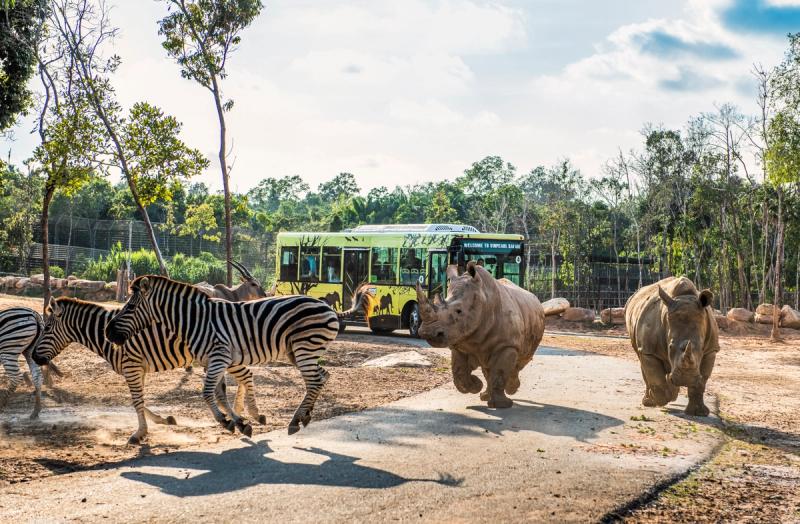
Plan observation with welfare and realistic expectations.
Review transport, weather and practical island decisions.
Specific answers for this experience.
No. A tent stay may cover the night and selected meals; a longer trip can add snorkelling, more meals and hotel transport. Compare the exact itinerary.
It is a published Mây Rút Trong tent-stay example with dinner, breakfast and water-bus transfers, not hotel-to-harbour transport or every activity. Request the same package when comparing.
No. Arrange permission and a host for the exact site. An empty beach or a protected forest clearing is not evidence that overnight use is allowed.
Ask for the list attached to your product. Different camping offers handle bedding, showers and shore-service charges differently.
Only plan that after the actual boat return is clear and there is adequate airport-transfer time. A full camping tour can still be at sea in the afternoon.
Choose it for the evening and early morning on an island, with the comfort level agreed in advance. If a cool private room matters more, use a coastal stay and take a boat day trip.
Editorial review: