
Nature and Ecotourism
Compare all eight nature guides by setting, access, ability and conditions.
Read the guide

NATURE PLANNING GUIDE
At low water, the edge of the forest begins to explain itself. Roots stand above the mud, tiny holes mark the bank and movement appears where a passing boat saw only trees. When the tide rises, the same edge becomes reflections and narrow water. Mangroves are not one fixed view. Their appeal is watching the island change at the meeting of land and sea.
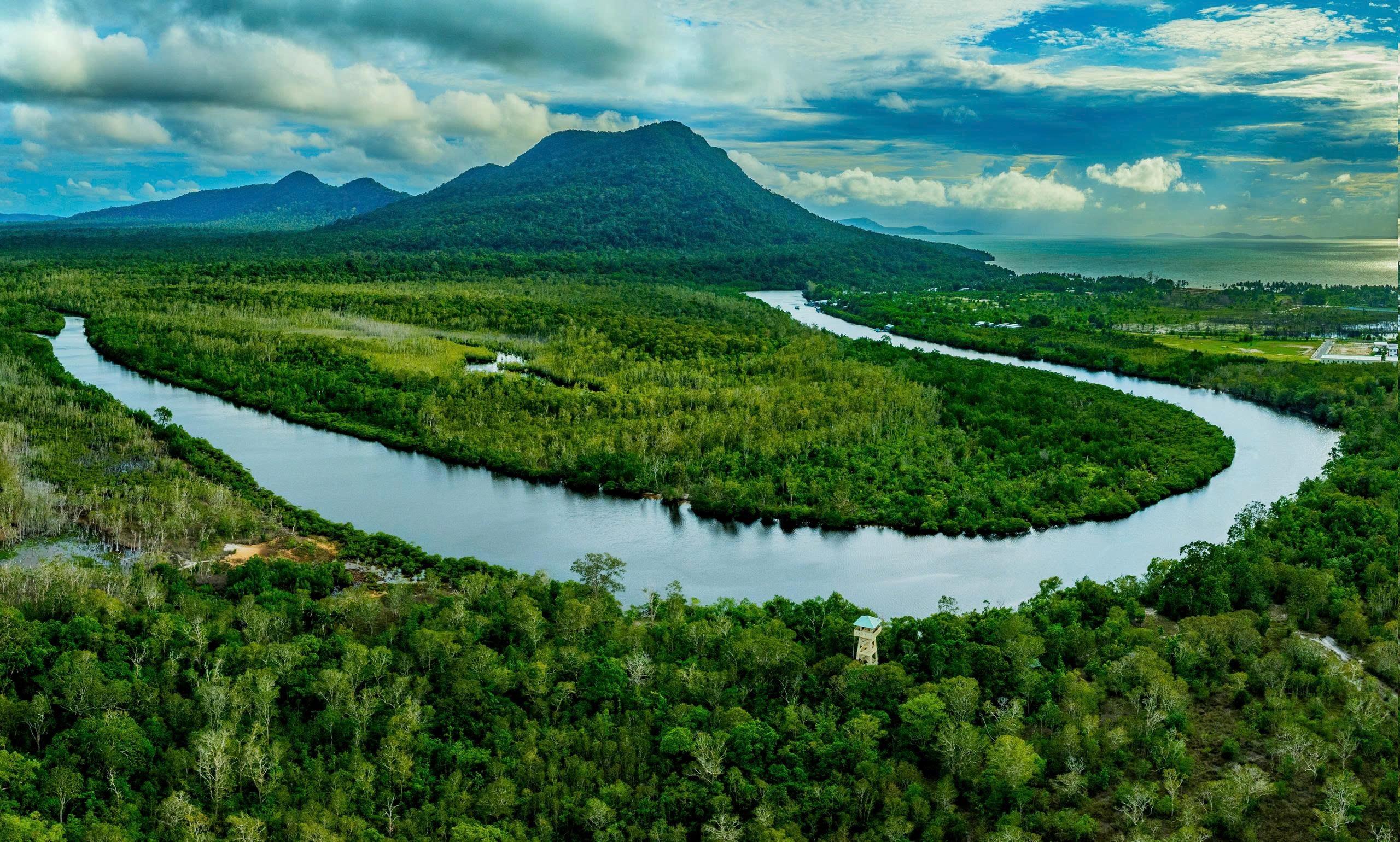
Rạch Tràm is the stronger choice for a northeastern mangrove landscape; Cửa Cạn is the more convenient river introduction from the western accommodation areas. Pick one for a half-day with a specific river host or launch. Use the visit to observe roots, banks and tidal changes, rather than expecting a boardwalk attraction.
For the first river outing, we favour Cửa Cạn for convenience. Choose Rạch Tràm when the northeastern landscape is the purpose of the day and you have arranged the local approach.
Editorially reviewed:
PLAN QUICKLY
Choose the landscape before choosing the craft.
Rạch Tràm sits in the quieter northeastern part of the island, where mangroves help make the forest–river–sea relationship visible. An outing may include the river landscape and the village coast. Arrange the actual receiving place with a local host before making the drive: the right place to meet matters more than a map pin in the middle of the habitat.
Cửa Cạn offers a closer introduction for many visitors staying around Dương Đông or Ông Lang. Its river experience can combine village banks, fishing activity and wooded stretches. Ask the operator which part of the route actually contains the habitat you want to see. A general “river tour” may concentrate on boats or recreation rather than the mangrove edge.
A bank full of trees is not automatically the same habitat throughout. Notice where the ground becomes tidal mud, where roots are exposed and where the channel widens towards the sea. That is more interesting than trying to give every tree a species name. Let a knowledgeable guide identify particular plants; without one, describe what you see rather than guessing.
Water level changes both the view and the possible paddle.
With more water, reflections fill the channels and a permitted paddle can approach some wooded edges more easily. At lower water, exposed roots, mud and small bank life become more visible. Neither scene is the wrong version. For kayaking, the launch operator should choose a workable time and channel; for observation, ask when the banks are likely to be exposed.
Morning is our preference for cooler air, gentler light and time to linger. It is not a substitute for the tide. Spend several minutes beside one bank before moving: you may notice a small crab or a bird that disappeared into the background at first. Binoculars or a modest zoom lens help you keep distance. Wildlife sightings are a welcome part of a habitat visit, not a promised roll call.
Follow the connection beyond the roots: rainfall moves through forest and streams, young aquatic life finds shelter near the bank, and the coast lies beyond. You do not need a lecture to see it. Watch where muddy water meets a clearer channel, how a root catches leaves and where a small fish disappears. A single patch can keep you interested for much longer than expected.
An agreed water route lets you observe without damaging roots.
Stay with the agreed water route or firm viewing place. Do not force a kayak into a tight root channel, step into soft mud for a closer picture or tie to a living root. Keep paddles and wakes gentle near the bank. The things worth seeing are small enough that a little disturbance can remove them from view.
For Rạch Tràm, keep lunch and the return on the northeastern side before heading back. For Cửa Cạn, a western coast stop fits more naturally. Carry water and protect a phone from splashes. Ask for the host’s return arrangement as clearly as the outward launch: a tranquil riverbank is less enjoyable if nobody knows how you are getting home.
Rạch Tràm and Cửa Cạn are separate river landscapes on different sides of the north. Use the host’s actual receiving point; do not navigate to the centre of a green patch on a satellite map.
Explore related nature and island planning guides.
Compare all eight nature guides by setting, access, ability and conditions.

Plan observation with welfare and realistic expectations.

Review transport, weather and practical island decisions.
Specific answers for this experience.
Cửa Cạn for easier access from western stays; Rạch Tràm for a day focused on the northeastern mangrove landscape with local arrangements.
No. Look at the tidal edge and ask about the actual route. Different forest and waterside vegetation can appear within one outing.
Higher water can help a suitable paddle; lower water exposes roots and mud-bank life. Match the hour to your purpose and the local route.
Do not plan around one island-wide mangrove attraction. These are river habitats with individual access arrangements, not one standard boardwalk circuit.
Keep to an agreed firm viewing place or water route. Mud and roots are not an informal walking path, and trampling damages the edge.
Choose one. They require different drives and local receiving points; lingering in one habitat is more rewarding than spending the morning in a car.
Editorial review: