Farms and local products
Island products and useful gifts to take home.
Read the guide

LOCAL PRODUCTION GUIDE
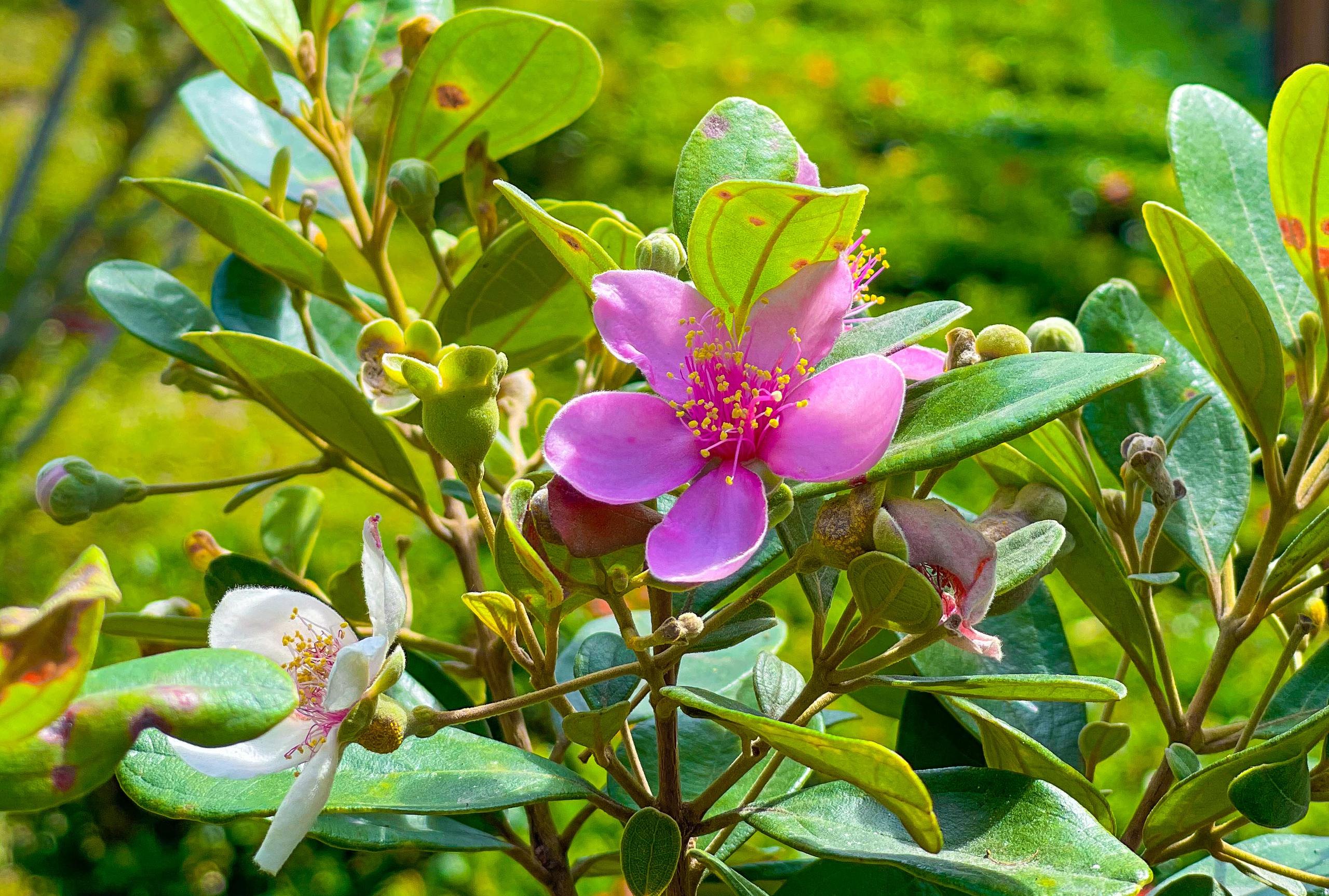
Before sim becomes a bottle, it is a small berry on a shrub, with pink-purple flowers and ripe fruit that gives the product its colour and character. The original story belongs to the island’s hills and family tables. A producer visit works best when you follow that journey from plant to jar to tasting, rather than treating every purple bottle as the same drink.
Choose a named producer such as Sim Sơn, decide whether you want the garden or factory component, and allow 45–60 minutes as a suggested introductory stop. Taste by product type: a sweet wine, a stronger spirit and syrup are not interchangeable.
Product strength comes from the label, not the sweetness. A mild berry taste can belong to a drink with substantial alcohol.
Editorially reviewed:
PLAN QUICKLY
The plant gives the visit its island setting; production choices explain why the bottles taste different.
The flowers and fruit do different jobs in the story. A flowering shrub is attractive, but the ripe berry is what becomes a drink or preserve. It is easy to enjoy the garden while missing that distinction. Look for the plant itself and ask to see fruit or a processing explanation when those are available; a flowering photograph is not a harvest calendar.
The original article describes fruit being crushed and combined with sugar, then resting while flavour develops. Commercial products take different routes, including fermentation and preparation with stronger alcohol. The ceramic jars in our collection are a useful picture of production, but one jar photograph cannot tell you the recipe or ageing time of every bottle sold today.
Expect the balance of sweetness, tartness and alcohol to change between samples. Start with a very small taste and compare only what you are considering buying. A bottle that you enjoy with dessert may not be the one you want beside seafood, and a stronger drink is not automatically a more representative one.
Sim also appears as syrup, jam and candy. These can make the visit interesting for someone who does not want alcohol, without making them sit through a wine purchase. Read the actual ingredients and alcohol declaration, especially with products named mật sim: the name alone does not establish that a drink is alcohol-free.
Sim Sơn offers a way to ask for the visit you want instead of relying on a generic souvenir-shop stop.
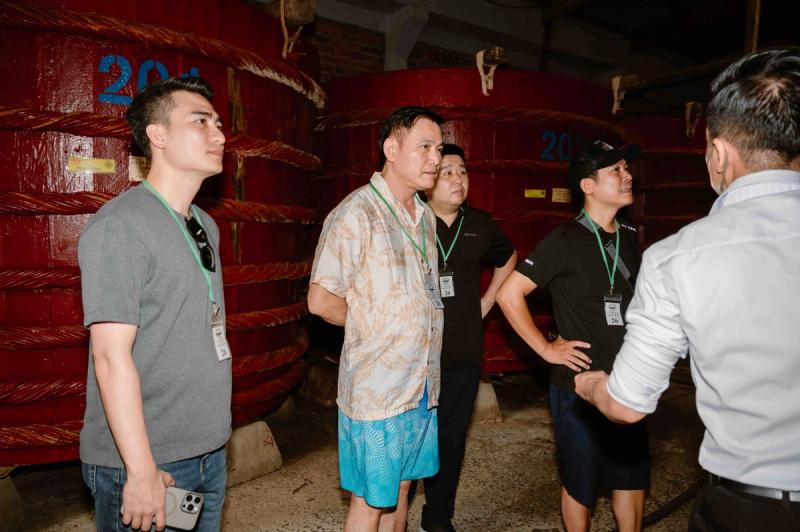
Sim Sơn’s visitor form distinguishes the sim/orchid garden from the factory. Use that distinction when arranging your visit, particularly if seeing production is the main reason for coming. A shop can sell finished bottles during a period when the processing floor is not receiving visitors; the two are not the same promise.
The company gives Tổ 1, ấp Cửa Lấp, Dương Tơ in its contact address and hotline 1800 6385. Save the named producer’s pin, not an anonymous “sim wine farm” result. Allow time to hear the explanation before tasting and shopping, and extend the visit only if you have a specific garden or production programme arranged.
A simple visit fits a Cửa Lấp or Dương Tơ food-and-garden morning. We would follow it with lunch or a café nearby rather than race north immediately. If you intend to taste alcohol, arrange a driver or taxi for the route. A short tasting is still drinking; the quiet farm setting does not change that.
Seasonal plants, stored ingredients and finished products can appear at different stages of the year. Go for the explanation of how they connect rather than a guaranteed scene of fruit being picked. With a mixed group, separate those who want to taste from those who prefer plants, preserves or a soft drink.
Compare strength, sweetness, volume and the full ingredients before deciding what belongs in the suitcase.
Sim Sơn lists both sim wines and 30°/39° spirits in its range. That alone shows why the English word “wine” can be misleading on a sightseeing itinerary. Ask which exact product you tasted, look at its ABV on the bottle, and buy the same item rather than a similar purple label with a different strength.
If buying syrup, ask how it is diluted and whether refrigeration is required after opening. For jam or candy, look at ingredients, pack size and use-by date. These questions are more helpful than assuming a rustic package is authentic and a polished bottle is not. A named producer and a clear product description give you something to trace.
Small bottles can be easier gifts than a large box, but glass still needs cushioning and protection against leaks. Keep the original sealed bottle, ask for travel packing and establish airline/destination conditions before buying several. The allowed amount depends on the actual alcohol strength and journey; no one litre-rule fits every flight and border.
Treat sim wine as a food-and-drink souvenir, not a digestive remedy or health supplement. Its place in hospitality is interesting without a cure attached. The most useful souvenir is the bottle you liked, know the name of and can serve sensibly, or a preserve you will open over breakfast after the trip.
Use Sim Sơn’s own visit enquiry for the garden or factory, and 1800 6385 for the Cửa Lấp location. Its contact page uses the older locality wording; the producer name is the clearest map search.
Island products and useful gifts to take home.

Vines, processing and an explained farm visit.

Barrels, fermentation and a named producer visit.
Practical information and related island stops.
Practical information and related island stops.
Berry products, tasting and producer visits.
Specific answers for this experience.
No. Products differ; Sim Sơn also lists 30° and 39° spirits. Use the bottle’s ABV, not sweetness, to judge strength.
Not automatically. The producer’s enquiry separates the garden/orchid area and factory; request the component you want.
Consider labelled syrup, jam or candy. Read the actual product information; names such as mật sim do not alone prove zero alcohol.
Plan a driver or taxi if you intend to drink alcohol. Keep the route independent of how small you expect the sample to be.
Not every visit. Garden, stored fruit, jars and bottled products represent different stages; ask about the plant on the day you arrange the visit.
No health benefit is promised here. Enjoy it, if you drink, as an alcoholic local product rather than a remedy.
Editorial review: