Farms and local products
Island products and useful gifts to take home.
Read the guide

LOCAL PRODUCTION GUIDE
The pepper on a seafood table has a landscape behind it: vines climbing tall supports, hanging strings of berries and spaces where the harvest is sorted and dried. A garden visit makes that connection visible. The interesting part is not collecting another souvenir bag; it is seeing how one berry becomes several familiar kitchen ingredients.
Choose a short walk and tasting if you are passing a garden; choose Phu Quoc Countryside when you want an explained farm visit or a separately booked cooking class. We would allow 45–60 minutes for a modest garden stop, excluding the drive.
A walk between vines, a guided farm tour and a cooking class are different visits, with different time and payment arrangements.
Editorially reviewed:
PLAN QUICKLY
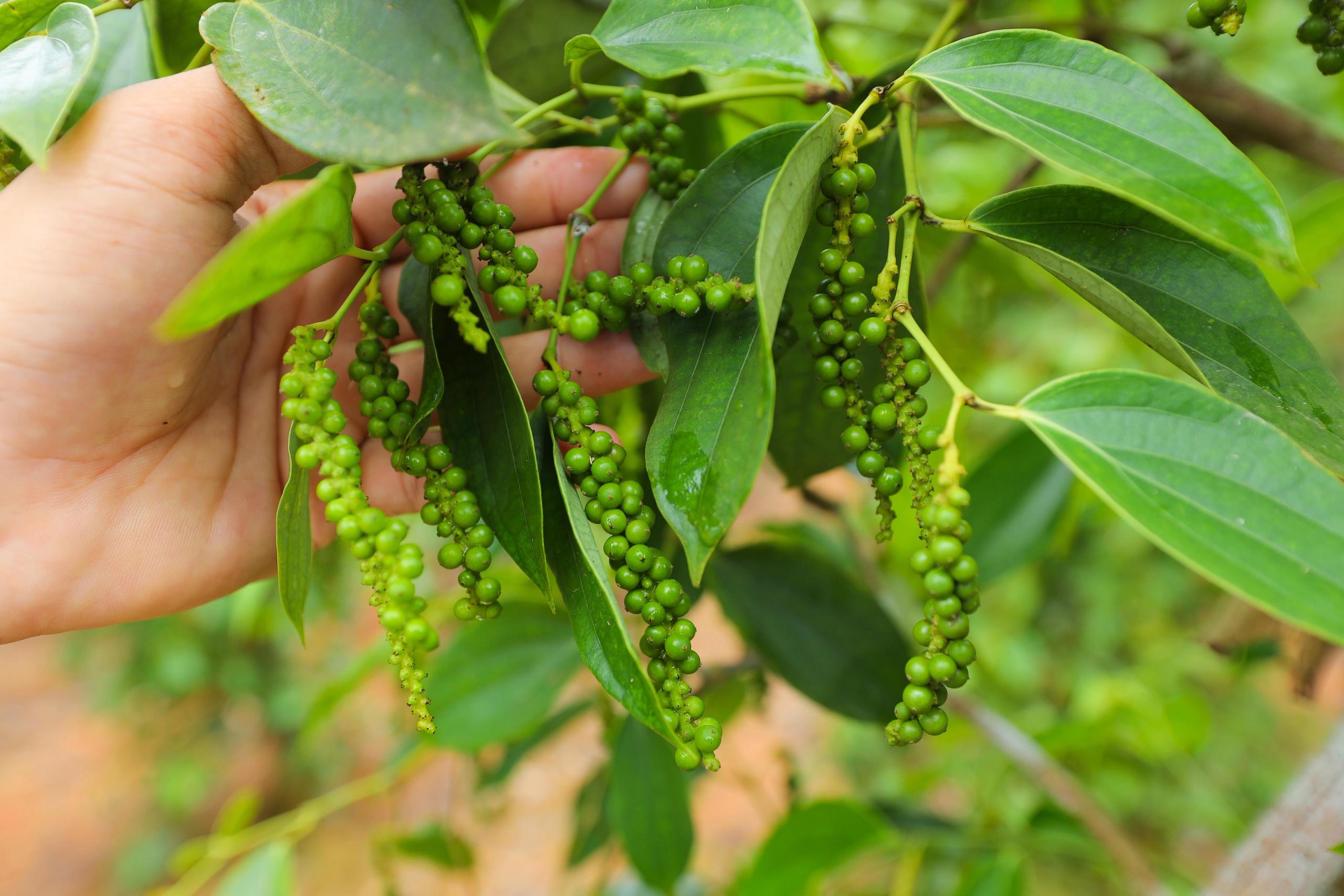
Look beneath the leaves as well as along the rows; the crop is more interesting than a green backdrop.
Pepper is a climbing vine, not a little freestanding tree. Its supports create the tall green rows in the photographs. The strings of berries are the crop; leaves alone cannot tell you whether harvesting will be happening on your visit. An elevated view shows the order of the garden, while the view at hand height explains how a person actually picks from it.
Black pepper keeps its outer skin and becomes wrinkled as it dries. Red pepper starts with berries left to ripen; white pepper, called tiêu sọ, has the outer layer removed. Green pepper is the fresh form you may meet in a sauce or a jar of brine. These are processing and ripeness differences, not four unrelated plants.
Ask to compare the actual products side by side. Crush a little dried pepper if the host offers a sample, smell it, then consider what you cook. Black pepper suits an everyday grinder and a lime-salt dip; a small pack of red or white pepper lets you discover a different result without committing to a kilogram. Whole pepper is the useful purchase if you already have a grinder.
A drying yard or sorting table can add another layer to the visit, but the daily work follows the crop. Do not build the trip around a promised harvest scene from a photograph. The vines, explanation and tasting can be worthwhile on their own. Choosing a host who explains the process matters more than finding the longest row for a picture.
Match the stop to the route you are already taking, rather than treating every pepper pin as the same attraction.
Gardens around Suối Đá and Suối Mây offer a different stop from the more organised Countryside experience. A small garden near your accommodation can make a good pause before lunch. A northern farm requires a separate drive from the airport or the south; it makes more sense as part of an agricultural morning than as a hurried photo stop between distant attractions.
Phu Quoc Countryside publishes 09:00–17:00 opening, with Wednesday closed, and lists farm tours and cooking classes. Its farm page welcomes walk-in farm tours. Use the named farm’s pin and the activity you want when arranging the drive; the cooking class is a longer, separate commitment, not something automatically included in walking between pepper vines.
For a simple garden we would arrive in the morning, walk first and taste afterwards, then leave time for the shop. For a cooking visit, make that the main morning activity and let lunch be part of it. The farm lists +84 918 086 129 and +84 911 677 489 for questions about the activity; use those rather than a generic island-tour reseller.
Leave high heels and large shopping bags at the hotel. Garden ground is not a paved showroom floor, and a hat is useful even under leafy rows. Stay on the path the host uses and leave picking to the person running the garden. Children can enjoy finding berries beneath the leaves without needing to pull a string off the plant.
A small fresh-smelling batch you will use is a better souvenir than a bulk purchase without a clear producer.
Compare the same kind and weight. A jar of pepper salt contains salt and other ingredients; it is not priced like a bag of pure peppercorns. A fresh green bunch has different storage needs from dried black pepper. Ask which crop the bag comes from and whether it was grown at this garden or supplied by another producer. Seeing vines is interesting; it does not identify every package on the shelf.
Choose sealed, labelled packs with a producer and net weight. Keep whole dried pepper airtight and away from heat and sun, and grind it as needed. If you want the green-pepper flavour for a later meal, ask about a properly labelled preserved product rather than carrying a loose fresh bunch through the rest of a hot sightseeing day.
The useful conversation is about growing, drying and cooking, not a contest to prove that one island’s pepper beats every other region. Ask how the host uses red pepper, or whether a green-pepper sauce belongs with the lunch you are planning. Those answers make the purchase easier to use when you get home.
For an international flight, dried pepper and fresh plant material are different import categories in many destinations. Keep the original packaging and follow the destination’s declaration rules. No small bag is automatically exempt just because it was bought at a farm. You can keep the souvenir simple: one labelled pack, a photo of the vines and an idea for the first meal.
Navigate to the named garden, not the general pepper-growing area. For Countryside, use its own map listing and 0918 086 129 / 0911 677 489; Wednesday is its published closure.
PHOTOGRAPHED PERSPECTIVES
Explore more perspectives on the guide’s subject. Each caption explains the context of the photograph when taken.
Island products and useful gifts to take home.

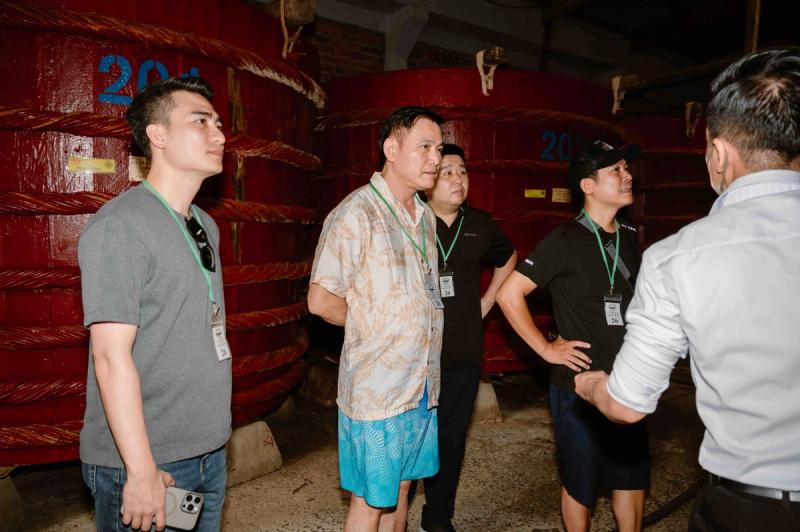
Barrels, fermentation and a named producer visit.

Demonstrations, showrooms and choosing jewellery.
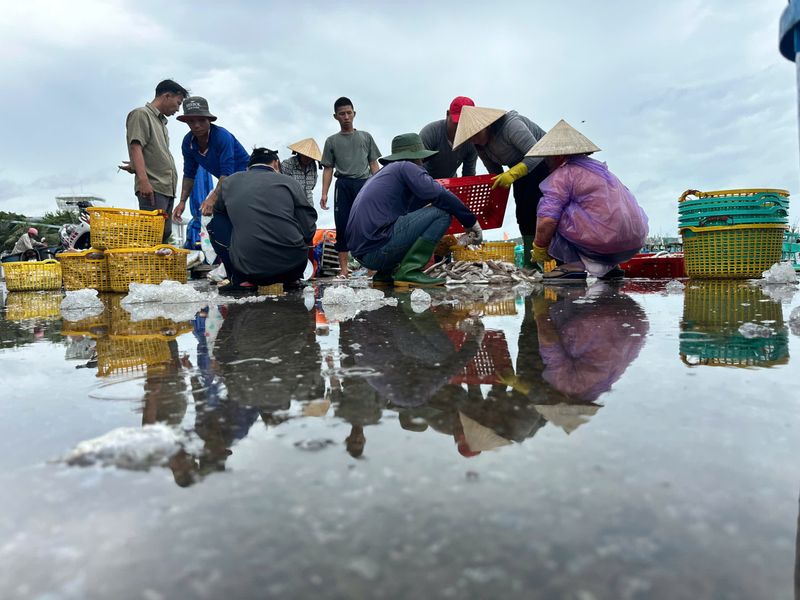
Practical information and related island stops.
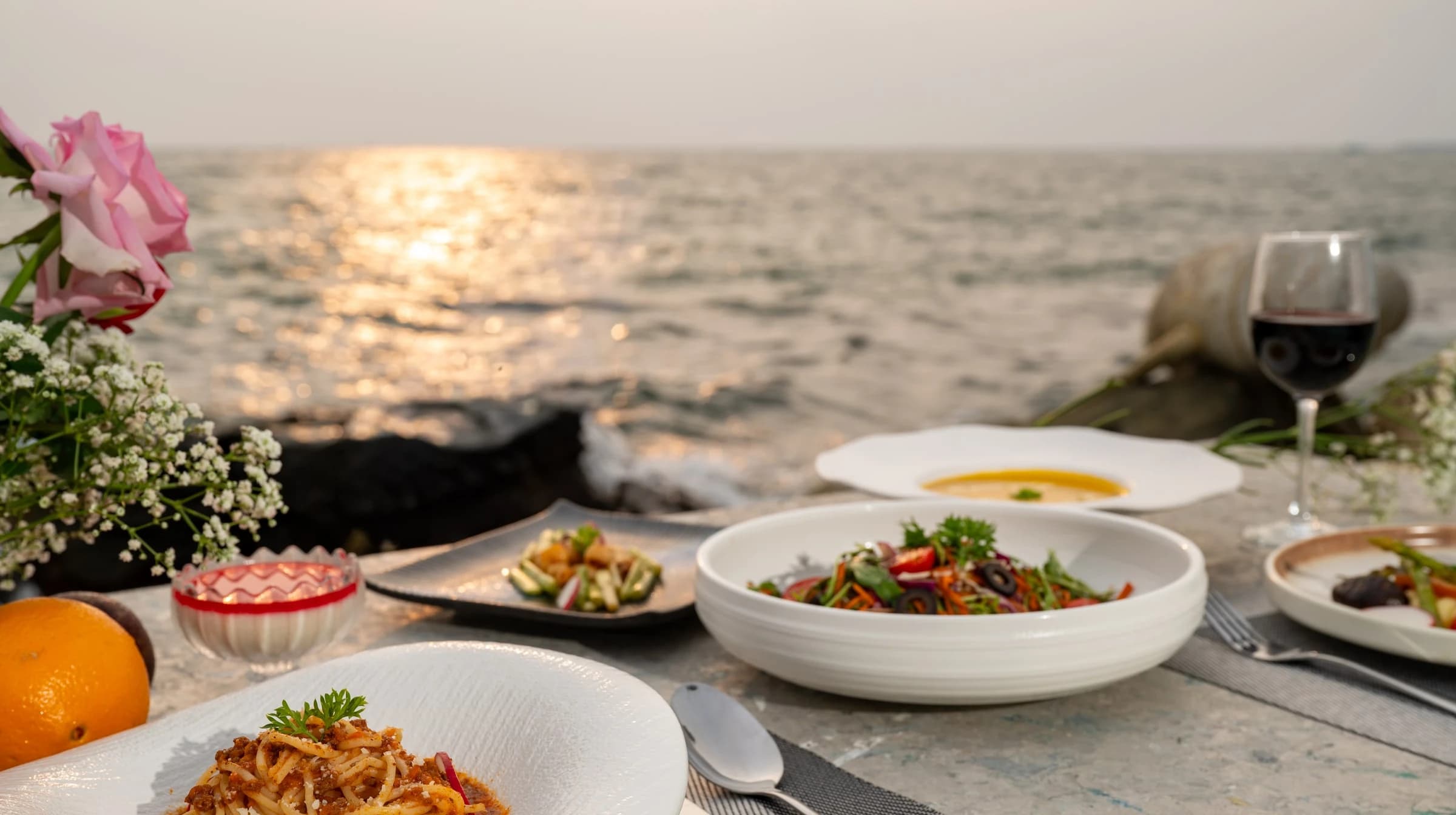
Practical information and related island stops.
Vines, processing and an explained farm visit.
Specific answers for this experience.
Its published hours are 09:00–17:00, closed Wednesday. That schedule belongs to this farm, not every pepper garden.
No. Countryside lists walk-in farm tours separately from its cooking class. Choose the longer class when cooking is the purpose of the visit.
No universal fee applies. A garden walk, explained tasting and cooking class can have different arrangements; choose the actual activity before comparing prices.
It comes from riper berries. Black, red and white pepper reflect ripeness and processing; green pepper is the fresh berry.
Allow about 45–60 minutes for a modest walk, explanation and shop, plus travel. A cooking class needs its own longer slot.
Sealed whole dried pepper with a producer label is practical. Fresh bunches need different storage and may face stricter entry rules abroad.
Editorial review: