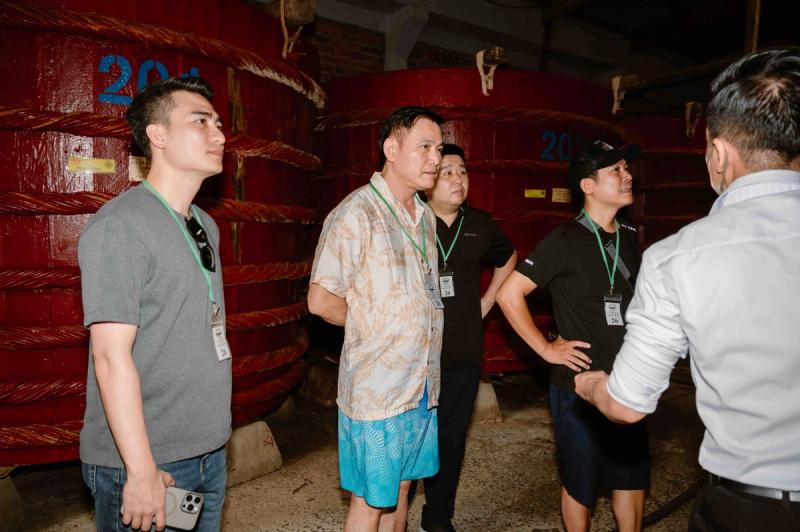
Farms and local products
Island products and useful gifts to take home.
Read the guide

LOCAL PRODUCTION GUIDE
A shell opens at a demonstration counter and a small pearl becomes the centre of everyone’s attention. It is a memorable introduction to an industry that spends most of its time out of sight, in the sea. The important distinction comes afterwards: watching a demonstration, visiting an offshore cultivation site and buying jewellery are three different experiences.
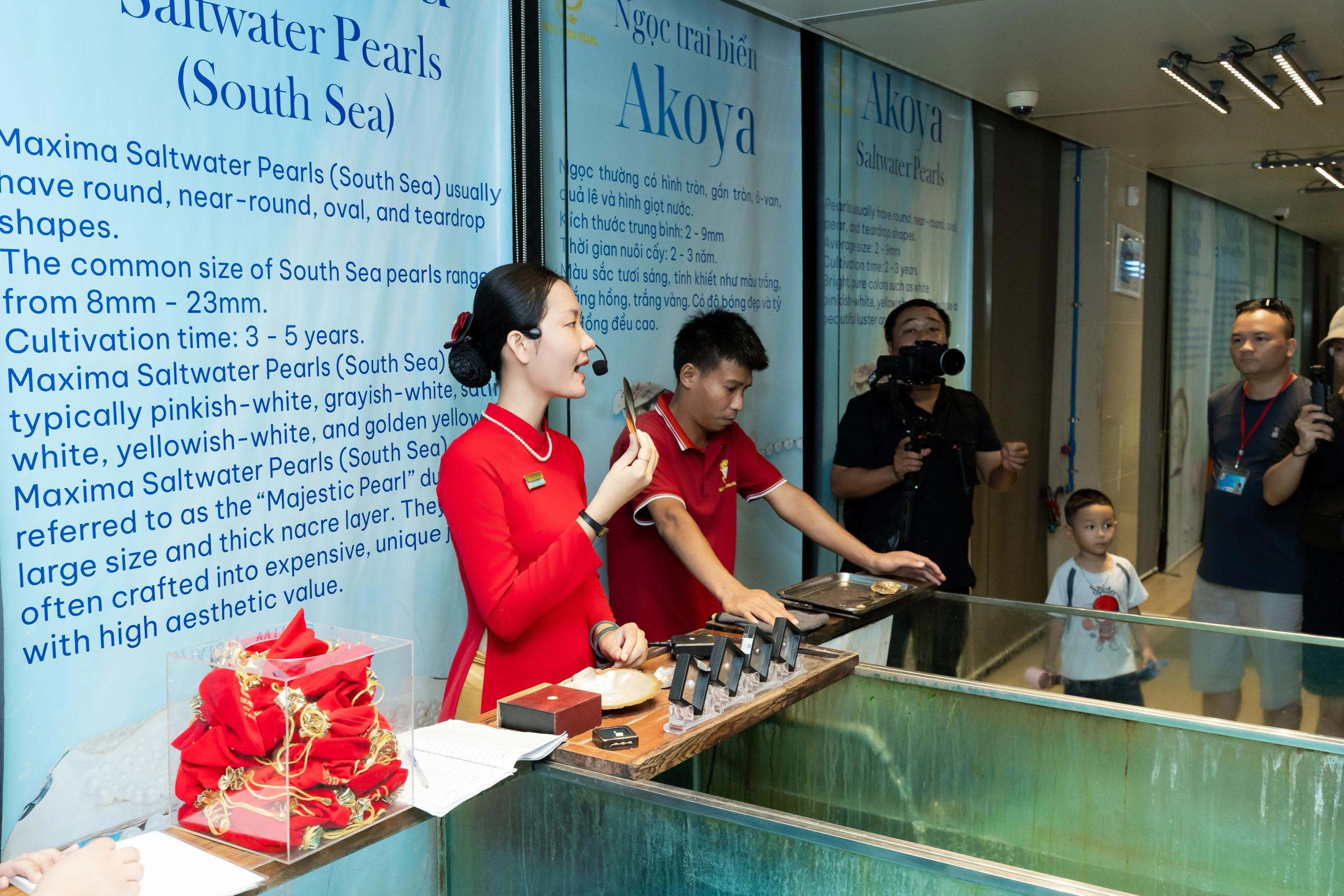
For a straightforward introduction, choose a named showroom with an explained demonstration and allow about an hour. Ngọc Hiền has a Dương Tơ showroom near the airport; a visit there does not automatically include a boat to its northern cultivation area.
A pearl opened in front of you demonstrates the process. It does not identify the origin or quality of a different piece in a display case.
Editorially reviewed:
PLAN QUICKLY
The display is an introduction to cultivation, not the whole farm compressed into one room.
Cultured pearls are real pearls grown with human intervention in a living mollusc. They are different from imitation beads, and different again from the much rarer natural pearls formed without that intervention. Learning those terms early makes a showroom visit easier: “cultured” is not an admission that an object is fake.
Our original pearl articles focus on the pleasure of choosing a small piece that will be worn after the holiday: earrings, a simple pendant, a modest bracelet. Keep that everyday perspective even if the showroom is full of elaborate sets. The most expensive display does not need to become your budget or your idea of what an island souvenir should be.
The demonstration explains the animal and the pearl; the water scene explains another part of the work. Rows of floats mark a managed growing environment, not a place where visitors simply swim down to collect gems. Ask how the oysters are cared for and how long the particular type is grown. Different varieties are not all produced on a single short timetable.
Ngọc Hiền dates its business to 1994 and describes learning cultivation techniques from Japanese and Australian specialists. Its own introduction locates farming in Rạch Vẹm and the visitor showroom in Dương Tơ. That geography matters: an airport-side demonstration is not evidence that you have visited the northern farm itself.
An hour is useful for the explanation; a purchase deserves a separate, unhurried decision.
The named Ngọc Hiền showroom is listed at Tổ 1, Dương Tơ, with 0933 221 221 and 0297 6259 259. Save the showroom pin, rather than a broad “pearl farm” label. If an offshore visit is what you want, arrange that particular product separately instead of expecting a boat at the showroom entrance.
We would give the demonstration and exhibits the first part of the visit, then look at jewellery only if something appeals. For children, the shell, tools and explanation may be more interesting than the sales cases. Let someone in the group finish looking without turning the stop into a compulsory shopping appointment for everyone else.
A showroom can fit an airport-side or Dương Tơ day, but do not leave a serious purchase to the final minutes before check-in. Rings, clasps and pairs of earrings take time to compare; a piece may need adjustment or paperwork. If the visit is mainly educational, say so and keep the onward plan simple.
Inside, shell exhibits and a boat display can give a family something to look at beyond the sales counters. Follow the explanation of the shell, cultivation and finished piece in that order. If someone wants an offshore excursion instead, ask for that separately; an indoor exhibit is an introduction rather than the boat trip itself.
Good questions make a better purchase than a quick home-made test at the counter.
Ask whether a piece contains saltwater or freshwater cultured pearls, which type is represented and whether colour treatments are disclosed. Then ask about the mounting: silver or gold specification, clasp, chain length, ring size and whether the displayed price covers the complete piece. Those details explain more than a broad “Phu Quoc pearl” sales label.
For two earrings, look at how the pair works together, not only the largest pearl’s size. With a pendant, see how it hangs on the actual chain. GIA’s buying framework considers several features, including lustre, surface and matching; perfection at a glance, coolness to the touch or an irregular shape alone is not an origin test.
Keep a written description on the receipt and any separate identification document offered for that exact item. A generic certificate on a wall is not the report for your necklace. For a substantial purchase, independent identification is more useful than rubbing the pearl on your teeth or trying to scratch it; those tricks can damage merchandise and still leave the important questions unanswered.
A small piece you will wear is a good ending to the visit; leaving without buying is equally reasonable. Pack jewellery separately from hard objects and keep the seller’s care instructions. The story worth taking home is how a marine craft becomes something personal, not the feeling that a demonstration obliged you to purchase.
Use the Ngọc Hiền showroom in Dương Tơ for an introductory visit; 0933 221 221 / 0297 6259 259. The Rạch Vẹm cultivation area is a different destination and needs its own arrangement.
Island products and useful gifts to take home.

Vines, processing and an explained farm visit.
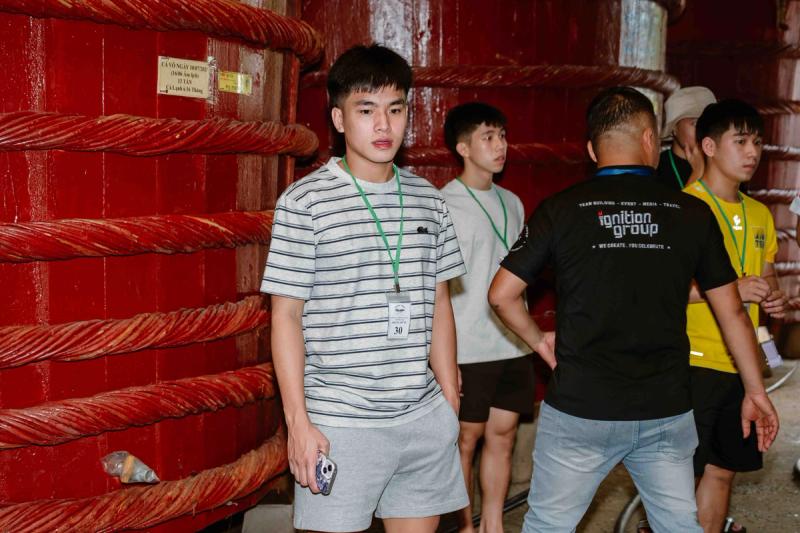
Barrels, fermentation and a named producer visit.
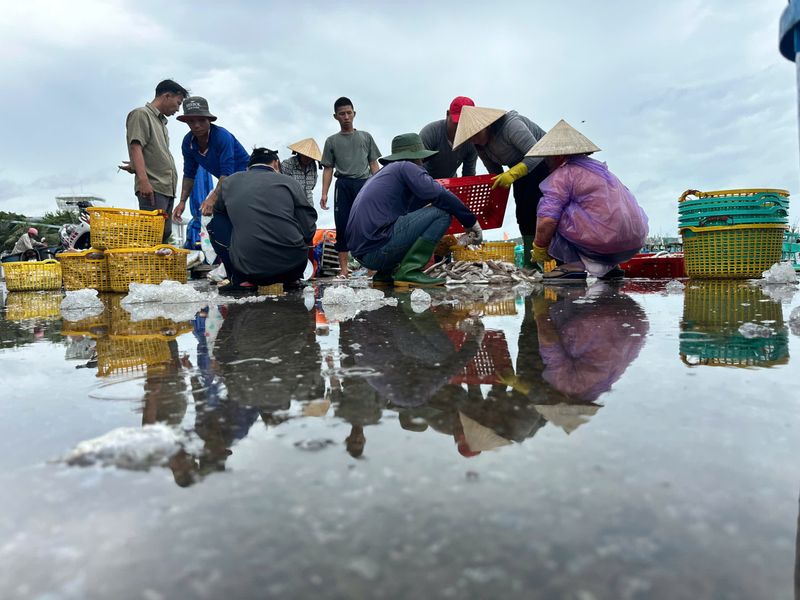
Practical information and related island stops.
Practical information and related island stops.
Demonstrations, showrooms and choosing jewellery.
Specific answers for this experience.
No. An indoor demonstration and offshore cultivation visit are separate experiences; arrange any boat trip specifically.
No. They grow in living molluscs with human intervention. Imitation beads are a different product.
Allow about an hour for an introduction and exhibits, longer if choosing jewellery or arranging adjustments.
The pearl type and represented origin, disclosed treatments, mounting material and item identity. Match any report to the actual piece.
No. It demonstrates the process; the jewellery you buy needs its own description and documentation.
A demonstration should not turn your decision into a rushed purchase. Ask the visit terms when arranging it and buy only a piece you want.
Editorial review: