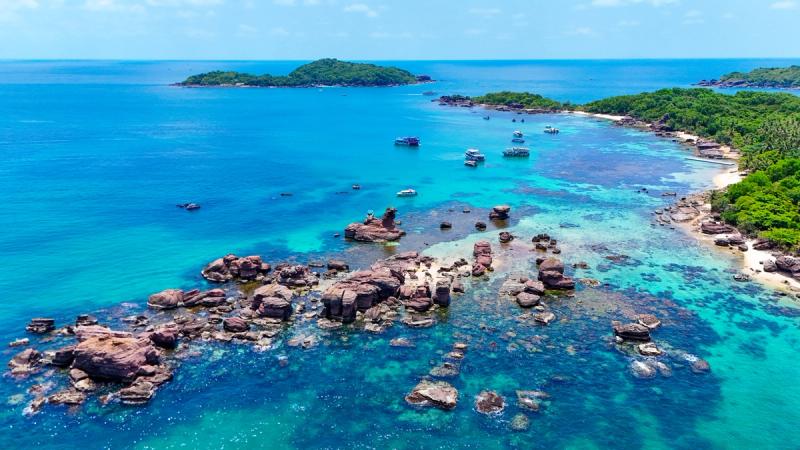
Islands and Ocean
Compare all eight island and ocean guides by identity, access, landing and purpose.
Read the guide

ISLAND PLANNING GUIDE
From the southern shore, the islands look close enough to fit neatly into one day. On the water, each stop uses time differently: a snorkel mask to adjust, a ladder to climb, lunch to linger over, a beach where nobody particularly wants to leave. The best An Thới day starts with that reality. Choose the kind of sea time you want, then let the island names support it.
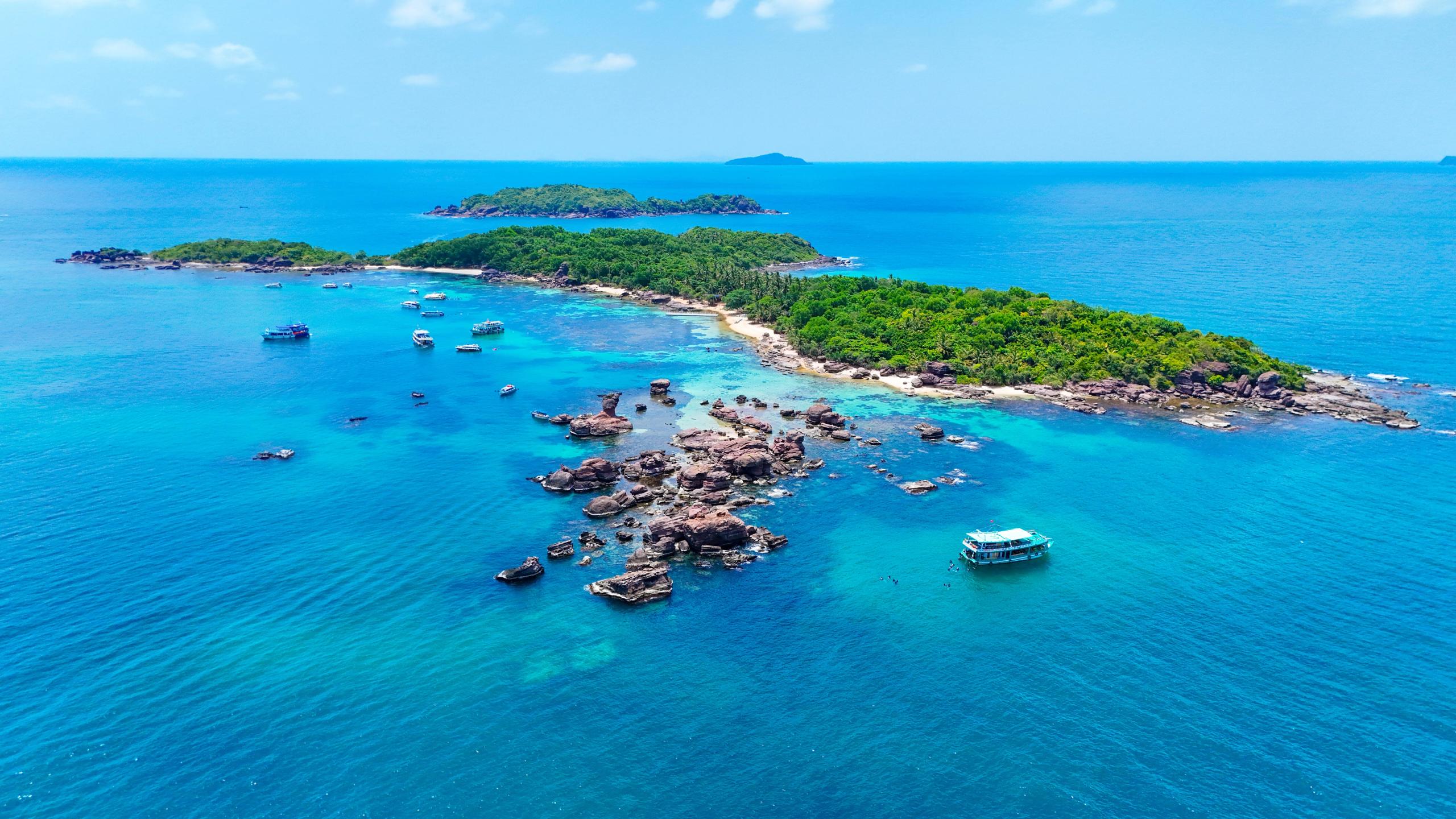
The An Thới Archipelago is the southern island group off Phú Quốc. Gầm Ghì is commonly used for snorkelling, Mây Rút for beach and meal time, Móng Tay for a small-island beach stop, and Hòn Thơm for the cable-car and attraction day. Choose a boat day for several small-island stops, or a Hòn Thơm day when the cable car and park are the main reason.
Our preference for a first sea day is one satisfying snorkel session, an unhurried meal and time on a beach. More island names do not automatically give you more of those things.
Editorially reviewed:
PLAN QUICKLY
The names make more sense when you know what happens there.
Gầm Ghì, also commonly called Dăm Ngang, is the reef-oriented stop in many southern itineraries. A boat may stop for swimming and snorkelling rather than landing everyone on a beach. Ask how much time is actually in the water, what equipment fits your group and whether someone accompanies less confident snorkellers. An island name alone does not tell you those details.
Mây Rút is usually the slower chapter: sand, shade and a meal or a drink. Mây Rút Trong and Mây Rút Ngoài are separate names, so ask which is on the itinerary. Móng Tay can give the classic small-island beach scene. For both, the arrival wave of shared tours changes the atmosphere; a photograph of an empty beach is not a description of every lunchtime.
Hòn Thơm is a different scale of day. The cable car gives the overhead view of fishing boats and the southern islands, followed by organised attractions on the island. It does not stop at Gầm Ghì or Mây Rút. A combined boat-and-cable itinerary joins two transport systems and needs time for both; it is not a free extra appended to the same relaxed beach day.
Xưởng or Buồm may appear as another snorkelling stop in a three-island itinerary. Read the actual list rather than assuming “three” or “four” means the same route with every seller. Some programmes count a reef stop, an attraction island or a transport stage differently. The useful comparison is what you do and how long you stay.
The outward transfer belongs in the time budget.
A shared tour suits a straightforward first outing when you are happy to move with the group. A private boat lets you discuss fewer stops and longer pauses, which can be worthwhile for a family or photographers. Divide the full cost across the real group size, including transport to the harbour, food and any separate attraction ticket. The lowest advertised seat price may leave out the part you care about.
Get the receiving pier and return plan, not just the name An Thới. A cable-car station, fishing harbour and tour-boat boarding point are not interchangeable. From a northern stay, the land journey is a substantial part of the morning; from the southern area, you may have a much shorter transfer. Base the hotel pickup on the actual stay rather than a standard central-town schedule.
November to April often offers easier southern sea days, while wetter-season outings depend more on the wind and the selected side of the islands. A blue sky over your hotel does not describe the whole crossing. Choose a day with room to move the trip if needed, and agree what happens to a cancelled or changed itinerary before paying. Keep the return comfortably ahead of a flight or a fixed show.
Ask about the actual boarding, swimming and shore-rest arrangements.
A speedboat moves between stops quickly but can be a bumpy, exposed ride. A larger excursion boat changes the pace and usually the space available; ask about the actual vessel rather than relying on the word “boat”. Describe any boarding difficulty before booking, including a child or adult who needs help with ladders. A scenic route still has repeated transitions in and out of the craft.
For snorkelling, use equipment that fits and stay with the guide’s swimming area. Keep fins and feet away from coral and do not stand on a reef for a photograph. A non-swimmer should discuss flotation and direct supervision before choosing a reef-heavy itinerary; an attractive reef name cannot solve that arrangement at the last minute.
Protect one dry set of clothes, the phone and drinking water from spray. For lunch, ask whether it is on board or on shore and whether shade and seating are included. A simple meal with enough time to dry off can be a better island memory than a rushed photo stop squeezed between two departures.
Use the specific boarding point from your boat organiser or the Hòn Thơm cable-car station for a cable-car day. A broad archipelago map pin is not a pier.
PHOTOGRAPHED PERSPECTIVES
Explore more perspectives on the guide’s subject. Each caption explains the context of the photograph when taken.
Use individual island and marine guides to examine the stops in your proposed route.
Compare all eight island and ocean guides by identity, access, landing and purpose.
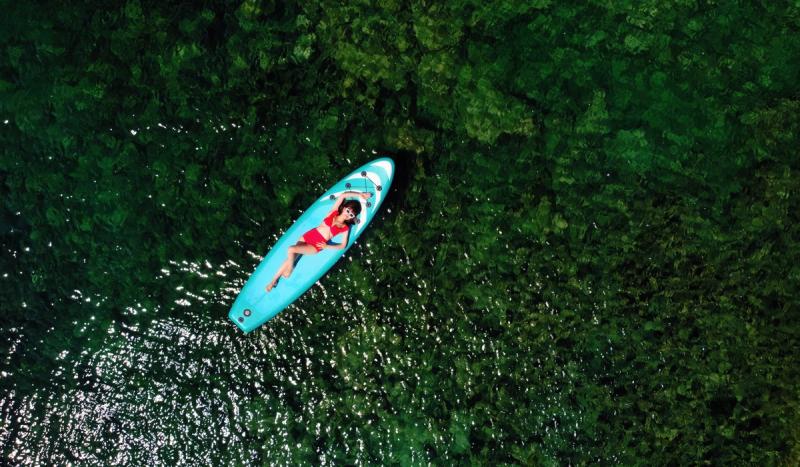
Choose snorkeling, diving or paddling by ability and current evidence.
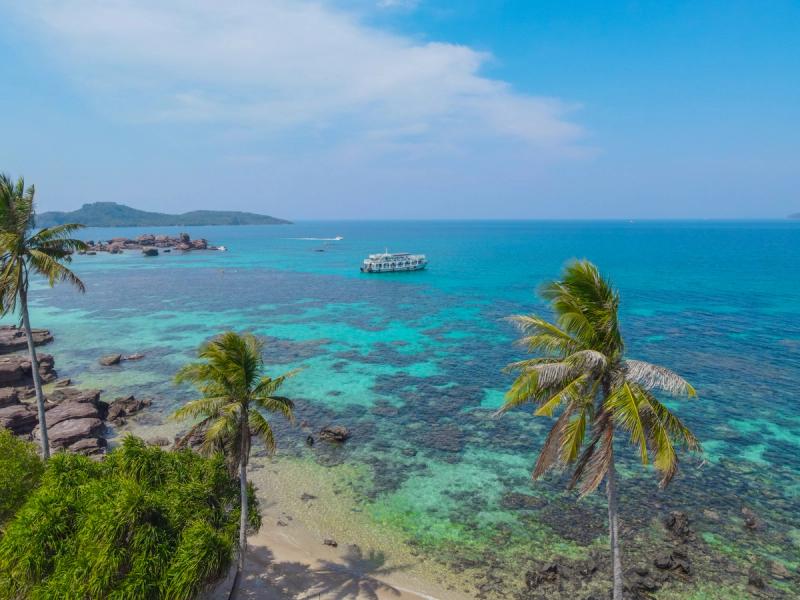
Explore marine habitats and responsible observation alongside the island route.
Specific answers for this experience.
Hòn Thơm is one destination in the southern island setting. The archipelago includes other small-island and reef stops reached by boat.
No. Those need a separate boat stage. A combined programme must allow time and tickets for the actual boat and cable-car itinerary.
Gầm Ghì is a common reef stop; Xưởng or Buồm can also appear. Ask about water time, conditions and supervision, not only the island name.
No. Ask which one the programme uses, where lunch is served and how much beach time you get.
No. More stops can shorten the parts you enjoy. Compare actual snorkelling, lunch, beach time and any Hòn Thơm attraction stage.
Discuss the actual vessel, flotation and supervision before booking. A beach-focused or Hòn Thơm day may fit better than a programme built around several reef swims.
Editorial review: