Wildlife experiences in Phu Quoc
Return to all six guides in the Wildlife cluster.
Read the guide

WILDLIFE FIELD GUIDE · PHU QUOC
At first, the reef can look like one busy surface. Stay with it and the scene separates: fish working close to cover, movement among tentacles, shapes disappearing into the gaps. The best marine-life outing is not always the one with the most stops; it is the one that gives you time to see what is already there.
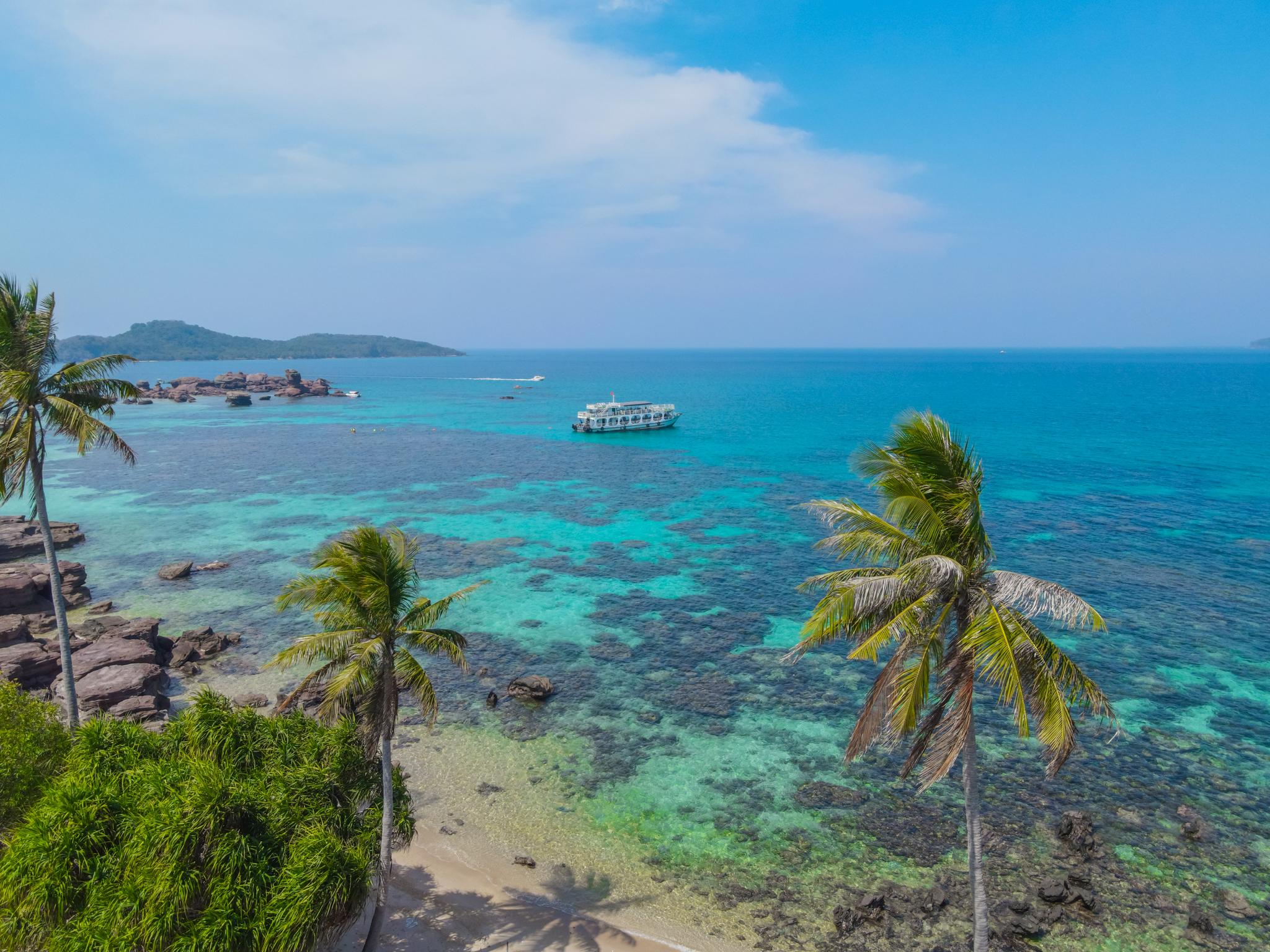
For a reef-focused day, look at the southern An Thới boat routes, including Gầm Ghì and other sites chosen for the conditions. Snorkeling is a surface view; scuba and helmet walking are different activities with their own instruction. Choose a named route and meaningful time in the water rather than buying a promised rare-animal sighting.
This guide helps you read the habitat and choose the outing. The individual diving and snorkeling guides handle equipment, learning and participation in more detail.
Editorially reviewed:
PLAN QUICKLY
The first useful skill is to watch a small patch rather than keep swimming toward the next colour.
Look at how fish use the habitat: some stay close to shelter while others cross the open water above it. The underwater photograph in this chapter shows fish beside a tentacled habitat, a reminder that the background is part of the encounter. A single image is not a species checklist for every southern reef. You can enjoy the relationships without naming everything before you leave.
Around Gầm Ghì, a boat stop may be a water session beside the mooring rather than a beach landing. Mây Rút is more often the shore break in a mixed island itinerary. Those roles matter when choosing how much time you will actually spend looking at marine life. Three named islands can still mean only one meaningful reef session.
Sea stars in sandy shallows, a reef outing and a wildlife display at an aquarium are different experiences. Keep the northern Rạch Vẹm/Hàm Rồng starfish outing separate from the southern boat circuit. Likewise, a photograph of a turtle or other large animal does not make that sighting the content of a normal snorkeling ticket.
The boat itinerary only helps if its reef stop gives you the kind of view you want.
Ask where the reef session is, how the group enters and returns to the boat, who supervises and how much water time is planned. A mixed outing can include road travel, lunch, beach stops and optional helmet or scuba sessions while other guests wait. A dedicated dive or snorkel-focused trip has a different purpose from an island sampler.
The usual dry-season starting point is roughly November–April, but the final site and visibility follow wind, swell and recent conditions. Clear water in a poster is not the day’s forecast. For the person who cares most about seeing the reef, choose an operator willing to explain a site change and what that means for water time, rather than treating every island substitution as equivalent.
Being comfortable at the surface is more useful than getting as close to the coral as possible.
Get the mask and flotation arrangement comfortable in the entry area before moving over the reef. Keep fins and loose gear clear of it, and return to the boat for an equipment adjustment instead of standing on coral. If water movement makes it hard to stay where you intend, let the guide change the session rather than try to hold on to the habitat.
Watch without feeding or moving marine animals for a picture. A quieter group can spend its attention on how animals use the reef, while a food-driven crowd records a different, disturbed scene. Ask for the local or scientific name after the session if you want to identify a photograph, and keep an uncertain identification uncertain rather than turn it into a rare-sighting claim.
For a southern reef outing, keep the actual boat departure and hotel transfer with the booking. An Thới fishing harbour and the Sunset Town cable-car station are different places. No generic marine-life coordinate identifies your boarding point.
PHOTOGRAPHED PERSPECTIVES
Explore more perspectives on the guide’s subject. Each caption explains the context of the photograph when taken.
Explore more ways to observe wildlife responsibly.
Return to all six guides in the Wildlife cluster.
Read the living-heritage guide to breed characteristics, folklore, consent and welfare.
Continue with an adjacent wildlife decision.
Continue with an adjacent wildlife decision.
Specific answers for this experience.
Look at southern An Thới routes and the specific reef session, not just the number of islands. Gầm Ghì is a common reef name in these itineraries.
No. It can be the beach and lunch part of a mixed route. Read which site provides water time.
No. Surface snorkeling can provide a good view when conditions and your ability suit. Scuba and helmet walking are separate decisions with their own instruction.
No. Visibility is also affected by swell, currents and recent conditions at the chosen site.
Do not use food to stage the scene. Watch their normal movement and keep clear of the reef.
No. The Rạch Vẹm/Hàm Rồng shore outing is in the north, separate from the southern reef circuit.
Editorial review: