Islands and Ocean
Compare all eight island and ocean guides by identity, access, landing and purpose.
Read the guide

ISLAND PLACE GUIDE
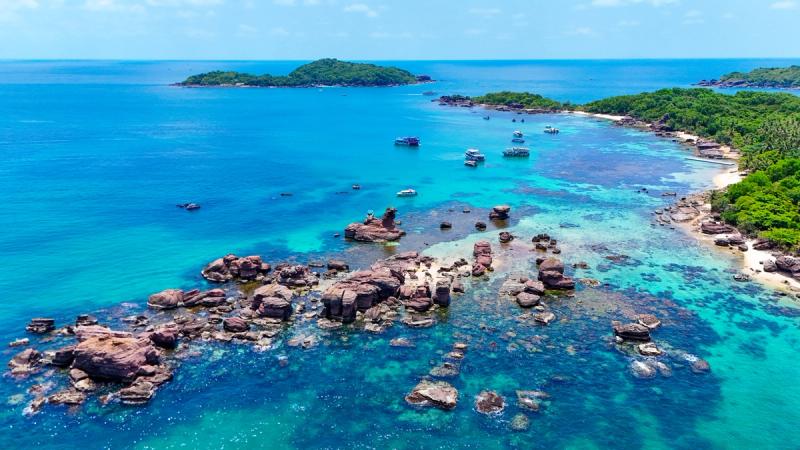
From above, Gầm Ghì is all edges: rock against pale water, dark patches beneath the surface, a boat waiting beside the shore. Down at sea level, the useful question is not where to put a beach towel. It is where the group will enter, who will lead the swim and how much time there is to look. This is the underwater chapter of many southern island days.
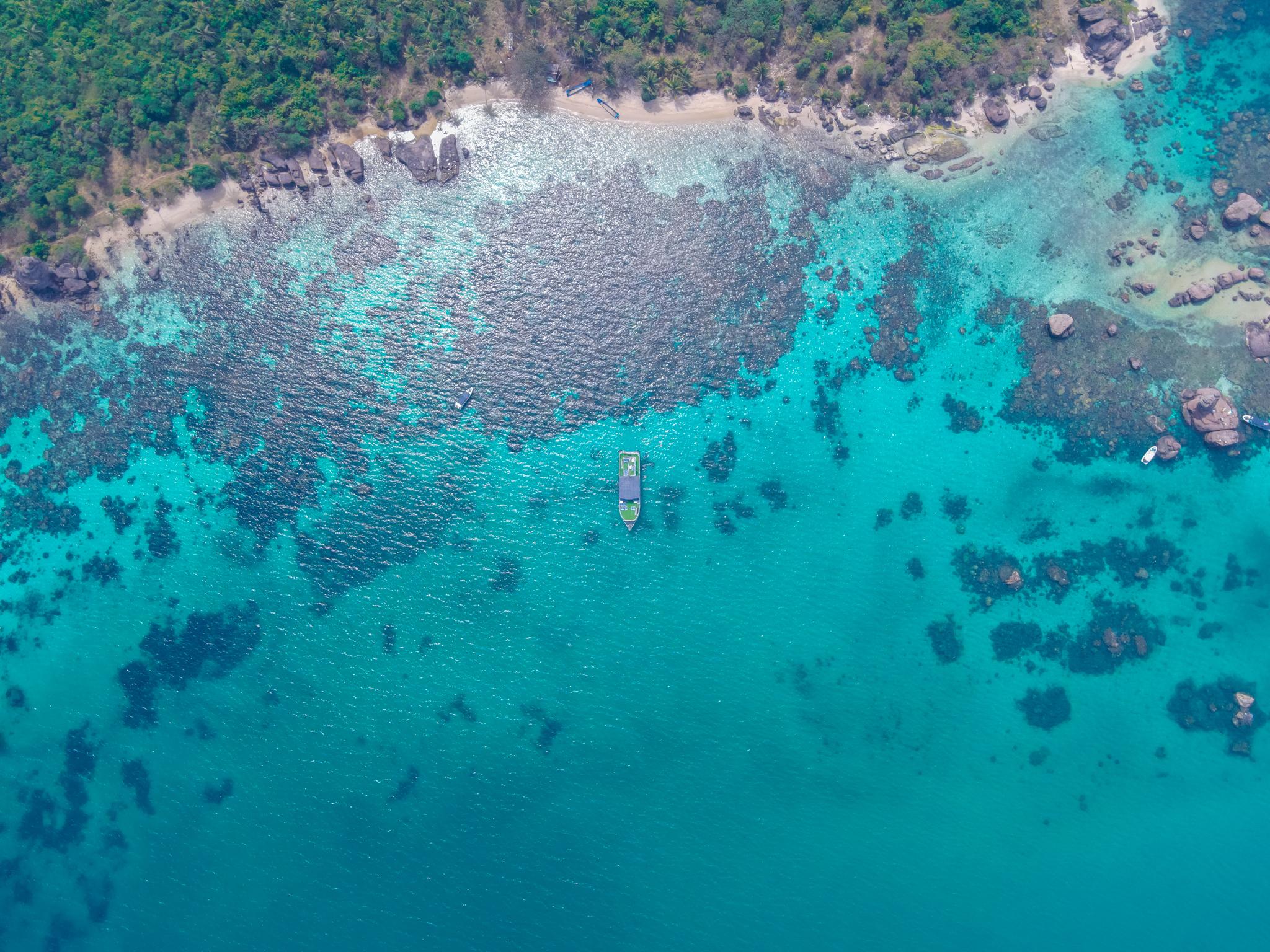
Gầm Ghì is a reef-oriented boat stop in the An Thới island group. Choose it for a guided snorkelling session, then use Mây Rút or a named Hòn Xưởng shore stop for lunch and rest. We would ask for about 30–45 minutes of usable water time for a relaxed session, with briefing and equipment fitting outside that allowance.
A shallow-looking reef is not a place to stand up when tired. Choose the operator and swimming arrangement as carefully as the island name; the rocky setting and moving boats shape the visit as much as the coral.
Editorially reviewed:
PLAN QUICKLY
The boat may be your base for the whole visit.
On a typical reef-focused visit, the craft stops at a selected position and the group enters from there. A name on the itinerary does not mean everyone lands on an island, finds a restaurant and then walks to the coral. Ask which part is in the water and which, if any, is on shore. That is especially useful for someone planning to stay dry.
The rocky outcrops are part of Gầm Ghì’s character. They give the aerial view its shape, but they are not a route across the shallows. The guide should identify the entry, return and swimming area clear of moving boats. Keep your fins away from the reef instead of searching for a place to stand between coral heads.
Underwater, start with the overall shapes rather than chasing every fish. Follow the edge of a formation, notice how the spaces between structures are used, and let fish move into view. A calm observer often has a more satisfying session than a swimmer making repeated fast approaches for a close photograph.
If a programme also uses the name Dăm Ngang, ask the organiser to point out the exact reef stop on the route. Southern island names and package counts are not a substitute for a map and a description of the swim. The important comparison is the actual position and water time, not how many names fit on the sales card.
Protect the water session before adding more island stops.
For a private outing, we would discuss a proper reef session before a long lunch-and-beach stop. Everyone has time to fit the mask, get used to the water and then settle into looking. A short stop can disappear into equipment changes; ask for the distinction between the boat’s total waiting time and minutes actually spent snorkelling.
Mây Rút makes a useful slower continuation, while Hòn Xưởng can provide an arranged shore venue. Adding Hòn Thơm turns the day into a boat-and-attraction combination, with a further handover and cable timetable. If the reef is the reason for the trip, do not let that final attraction compress the swim into a few hurried minutes.
November to April often makes southern sea outings easier to plan, but visibility is local to the day and the chosen water. Wind, waves and recent disturbance can change it. Give the captain room to select a suitable position or change the reef stop; a familiar name is not worth a poor entry or a swim the group cannot enjoy.
Different confidence levels need more than identical life jackets.
Say who swims comfortably, who is new to a mask and who wants to remain aboard. Ask who accompanies the group in the water and how anyone can finish early. A non-swimmer needs a specific supported arrangement accepted by the operator; being on the same boat as a guide does not automatically provide direct supervision. A shore-focused day may be the better choice.
Try the mask and flotation before the main entry. Keep a dry bag for phone and clothing, drinking water and something to put on after the swim. Lunch, towels and shore facilities are package details, not features supplied by the reef itself. Keep hands, fins and rubbish away from the coral, and leave marine life where it is.
Join the southern boat programme at its specified boarding point. Gầm Ghì is an offshore stop; an island pin is not a road destination or a place to meet a taxi.
PHOTOGRAPHED PERSPECTIVES
Explore more perspectives on the guide’s subject. Each caption explains the context of the photograph when taken.
Move between destination, activity and wildlife guidance without duplicating their intent.
Compare all eight island and ocean guides by identity, access, landing and purpose.
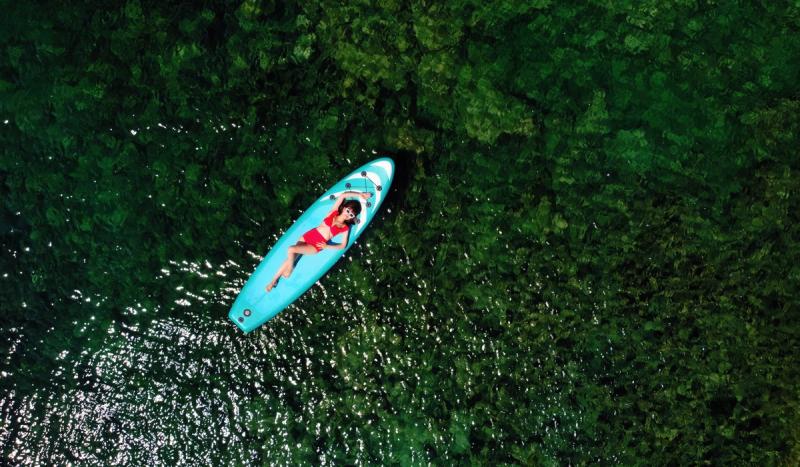
Choose snorkeling, diving or paddling by ability and current evidence.

Read marine habitat and responsible observation guidance alongside the island visit.
Specific answers for this experience.
Not necessarily. A reef programme may use the boat as the base throughout. Ask separately about any beach landing.
For a relaxed first session we suggest 30–45 usable minutes, beyond fitting equipment and briefing. The operator should match the session to the group and conditions.
No. Return to the boat or use the agreed support arrangement. Coral is living habitat, not a resting platform.
Settle direct support or a dry-boat option before booking. Do not assume a general guide and a life jacket provide a suitable individual arrangement.
A beach-and-meal pause on the named Mây Rút island or an arranged Hòn Xưởng shore stop. Keep enough time to get dry and rest.
No. The broad season helps planning, but the actual water, wind and chosen stop decide visibility.
Editorial review: