
PHU QUOC FOOD AND DRINK
Where to Eat in An Thới: Market Breakfasts and Southern Town Meals
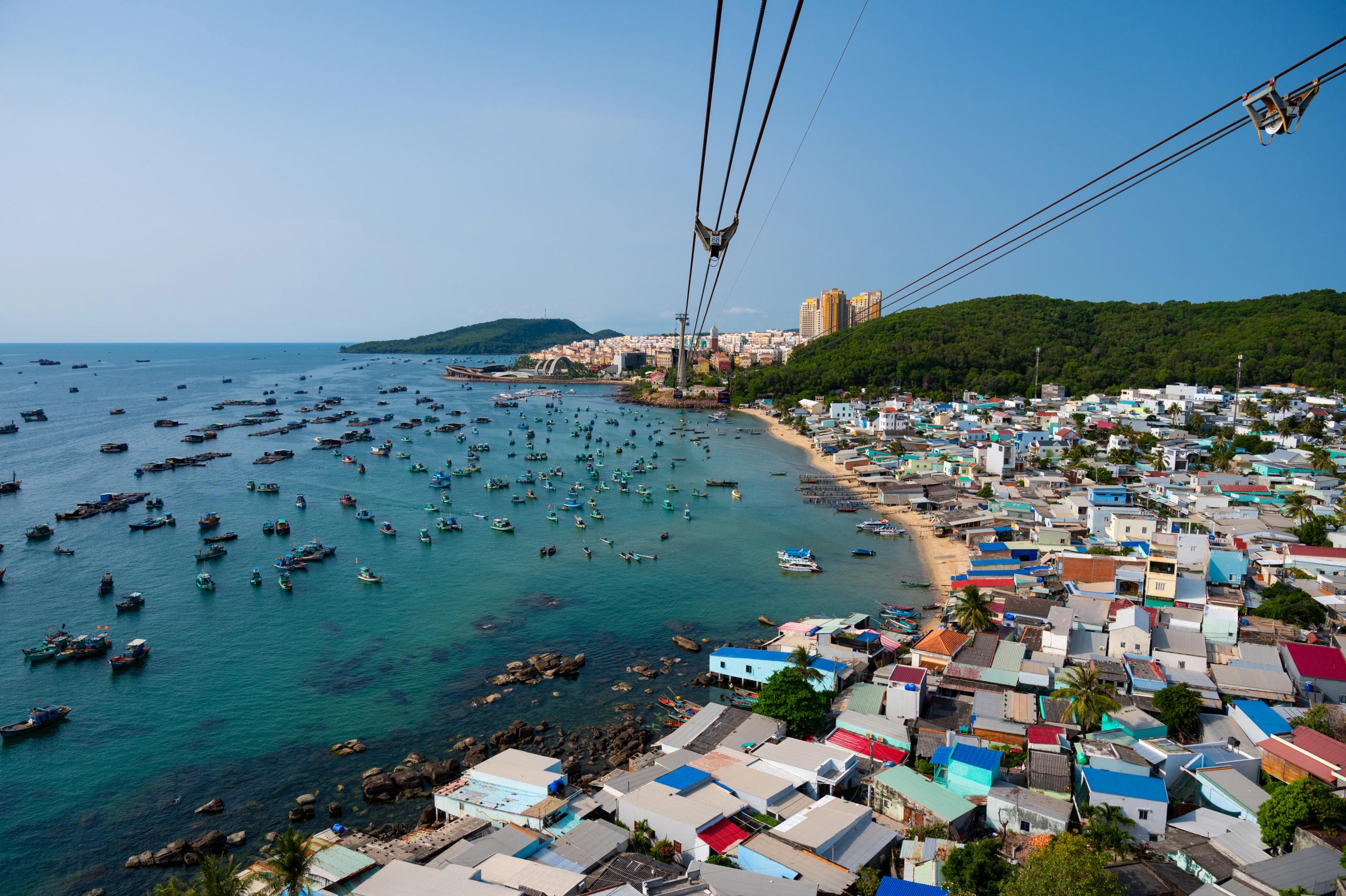
Before the southern day fills with cable-car passengers and island-tour pickups, An Thới has already had breakfast. A spoon knocks against the porridge pot, a hot bánh mì passes across the counter and somebody finishes an iced coffee before work. This is the food scene worth finding between the harbour photographs and the designed terraces nearby: a town eating its ordinary meals.
Fishing boats and the cable-car route above An Thới harbour.
Find a useful venue
Explore the directory on your terms
Browse places by type, Area and the details that matter for your visit.
An Thới Market
Nguyễn Văn Cừ, Khu phố 1, An Thới, Phú Quốc
Market or food hall in An Thoi.
- Market or food hall
Aura Seafood & Bar
AT01-03, Sun Grand City New An Thới, Phú Quốc
Restaurant in An Thoi.
- Restaurant
Phố Nướng / Seafood & Meat Grill
AT60, New An Thới urban area, KP6
Restaurant in An Thoi.
- Restaurant
Nga Lam Seafood Restaurant
Nguyễn Văn Cừ street, An Thới
Seafood restaurant in An Thoi.
- Seafood restaurant
Nhà hàng Bé Ghẹ 2
415 Nguyễn Văn Cừ, An Thới
Seafood restaurant in An Thoi.
- Seafood restaurant
Nhà Hàng Hải Sản Thuận Kiều 2 | Seafood & Grill
AT63, Đại Lộ New An Thới
Seafood restaurant in An Thoi.
- Seafood restaurant
Quán Hai San A Chon 2
ĐT975, An Thới
Seafood restaurant in An Thoi.
- Seafood restaurant
Bánh Xèo Cuội 2
49 Nguyễn Trường Tộ, An Thới, Phú Quốc
Vietnamese restaurant in An Thoi.
- Vietnamese restaurant
Showing 20 places.
The meal and the useful details
Use the market morning for a hot bowl, fish porridge or bánh mì, then choose a rice meal or a different kitchen when back in town. An Thới market, the boat departure and the cable-car station are separate stops. Sunset Town and Khem are nearby southern dining districts with different meal formats.
Reviewed:
A breakfast town before it is a departure district
Fish porridge, steaming noodle bowls and freshly pressed bánh mì are the breakfast trail in An Thới’s market. The first trade is practical: somebody buys fish for lunch, another carries herbs home, a worker pauses with iced coffee. Eat while that morning is happening. A bowl or hot bread is the point of the stop, with the ingredient stalls explaining the food around it.
The useful morning distinction is before and after the first rush. Our original describes the market easing after roughly 09:00 as the visitor circuit grows busier elsewhere. Treat that as a rhythm, not the closing time of the whole town. If breakfast is the reason to come, a suggested 06:00–08:30 visit gives the meal its own space before a fixed departure. Later in the day, use a restaurant actually serving lunch rather than chasing the morning scene.
Buying ingredients and eating breakfast can happen side by side. A stall of fish on ice is not the same as a noodle kitchen, and a fruit bag can be a purchase to take home rather than a meal eaten there. Choose the hot food you want, sit where it is being served and leave the working lane clear. The original’s appeal is how ordinary the stop feels, not how many attractions can be attached to it.
Choose breakfast by the bowl, bread or porridge you want
Fish porridge gives a softer breakfast with hot rice broth and the flavour of the fish. Bánh mì is a different order: bread and filling that can be eaten quickly, with the spreads and additions chosen at the counter. A noodle bowl brings another balance of stock, protein and herbs. Pick the format first, then a seller cooking it; a specialist breakfast stall is strongest when it serves the meal it has actually prepared.
For bánh mì, say what you want inside rather than only asking for a small or large sandwich. Egg, pâté, meat, vegetables and mayonnaise are separate parts of the assembly. For a bowl, the broth and topping both matter; removing a visible ingredient does not remake the stock. A short, complete order is easier for the seller to follow while several regular customers are waiting for their own breakfast.
A phin coffee can finish the stop without turning it into another drive. Cà phê đen is black coffee, cà phê sữa includes condensed milk and iced versions add the word đá. If a sweet blended drink is the plan, enjoy it as that rather than expecting it to be a full breakfast. The town morning is satisfying precisely because one hot meal and one drink can be enough before the rest of the day begins.
The first mouthful of a breakfast broth tells you more than adding every condiment immediately. Taste it, then add the herbs, chilli or pepper offered for that particular dish. A mild bowl can become quite sharp once the dip is mixed; a rich bowl needs a different balance. For a child or someone who wants less heat, keep the chilli separate at the table rather than assuming the whole pot must be changed. It is a small habit that makes eating at a specialist morning kitchen easier.
Keep the market, boat and cable car as three saved locations
An Thới is used broadly in southern tour descriptions. It can name the working town, a harbour departure or the cable-car area beside Sunset Town. A breakfast pin should identify the market or kitchen; the boat voucher should identify the actual meeting place. Do not replace one with the other simply because both say An Thới. That small piece of route planning matters more than trying to estimate a universal transfer time for every southern hotel.
For a fixed morning departure, choose a breakfast on the route and leave time to finish it sitting down. A suggested half-hour for a simple bowl and coffee is a starting allowance, not a service guarantee. Add the actual journey and the operator’s arrival requirement separately. If the tour already includes lunch, that makes a clear breakfast more useful than ordering a large early seafood feast just because you are near the harbour.
When returning, make a new food decision for the time you actually arrive. A restaurant rice meal, a Korean dinner or a southern beach table can all be sensible. The morning market account tells you how the town wakes up; it does not mean the same breakfast stall will be the place for a late dinner. Use the directory for the actual outlet once the group knows whether it wants something quick or a longer meal.
The working town has more than one evening flavour
The original dining account notes Korean kitchens as part of modern southern An Thới, alongside the familiar Vietnamese food scene. That gives the group a useful change after several seafood meals. Choose the restaurant’s actual food format rather than assuming every Korean sign means the same barbecue set. A quick rice dish and a long shared grill have different portions and take different amounts of time.
For a Vietnamese rice dinner, a braised main, vegetables and soup give a complete table with contrast. Cá kho is concentrated and savoury against rice; canh chua brings a sour broth; rau xào adds a different texture. For a group, start with the main portions and add sides that suit them. You can have a memorable southern dinner without ordering the largest fish or repeating butter-garlic seafood in every dish.
If several people want different meals, a restaurant with a real mixed menu can be easier than trying to assemble one dinner from unrelated takeaway counters. If everyone wants to browse, a snack outing has its own pleasure. Decide which evening you want before the group becomes hungry. That is a practical use of the town’s variety, leaving the more staged waterfront dinner for a night when that is the plan.
If the group wants a shared meal after a day on the water, order for the appetite you have now. A bowl each gives a straightforward individual dinner; a hotpot or rice table invites everyone to stay longer. The two formats also split the bill differently. Say whether a pot is for two or four people before adding several sides. After a substantial tour lunch, fewer dishes with more contrast can be more enjoyable than repeating a large seafood order simply because it is the evening.
Town breakfast, Khem lunch and Sunset Town dinner are different choices
Khem’s curved bay gives a beach-and-restaurant setting. Sunset Town adds designed streets, terraces and evening entertainment. An Thới’s market breakfast belongs to the working town. They can share a southern day without being sold as the same experience. Choose one substantial meal around the day’s main stop, then let smaller coffee or snack pauses fit between it and the journey.
The simplest useful sequence is breakfast in town before a southern outing, then lunch wherever the day has taken you. Another is a short coffee in An Thới followed by a beach lunch you have chosen at Khem. These are suggestions, not an itinerary that needs to be completed in one day. The point is to use the town’s food because it fits the moment, instead of driving past it hungry on the way to somewhere more photographed.
A useful next decision
Compare related choices
Explore the dishes, places and practical details that interest you.
Breakfast in Phu Quoc
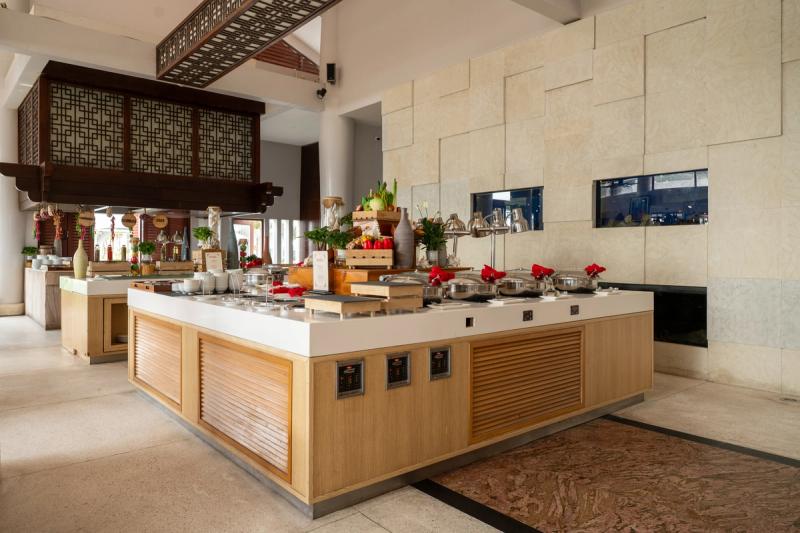
Choose breakfast in Phu Quoc: compare coconut-fish bún kèn, clear bún quậy, fish-cake bánh canh, An Thới market food and hotel breakfast service.
- Good for
- For an island breakfast, choose the bowl by texture: rich bún kèn, lighter-broth bún quậy or thick-noodle bánh canh. Ask the kitchen's toppings and serving method. If you want bread, eggs or a buffet, confirm a food menu rather than assuming every café serves a full breakfast.
Food in Sunset Town
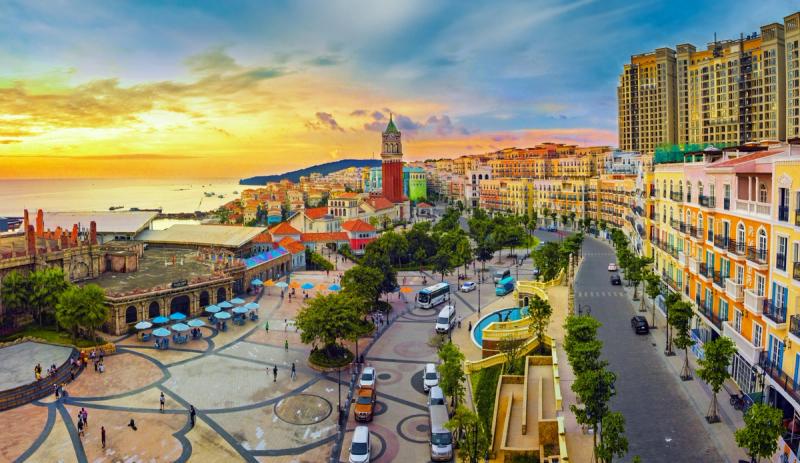
Plan food in Sunset Town: a seated waterfront dinner, VUI-Fest snacks, Sun Bavaria’s food-and-beer style and the announced November buffet/show package.
- Good for
- Choose the named kitchen for a full meal, individual prepared foods for a market walk, or a bar for drinks. Sun Bavaria is a specific waterfront gastropub example opposite Kiss Bridge; it is not the identity of every An Thới or southern-island restaurant. Food, a view and admission to a named show remain separate unless the booking combines them.
Food near Khem Beach
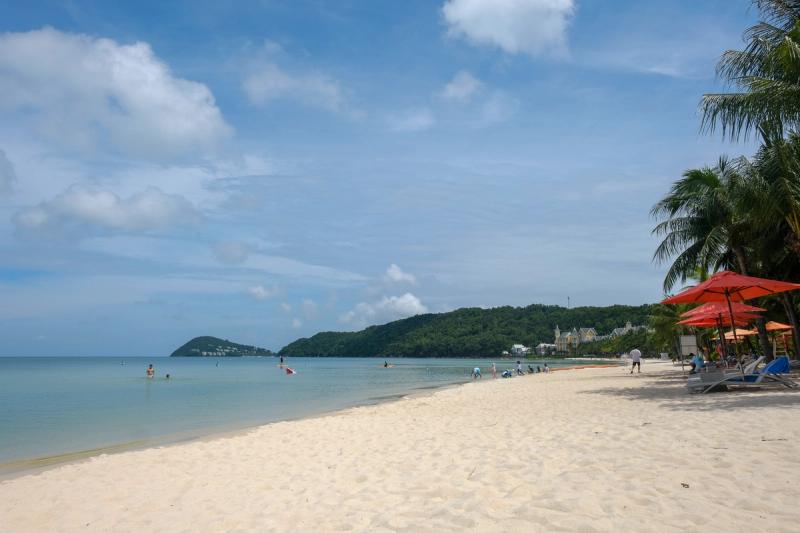
Find the right Khem Beach kitchen: Clubhouse, Tempus Fugit, French & Co. and Pink Pearl, with real meal windows and a practical beach-to-dinner plan.
- Good for
- At JW Marriott, Tempus Fugit is described through Vietnamese and international meals, French & Co. through bakery/deli food, and Pink Pearl through French dining. Elsewhere by the bay, look at the actual seafood preparation and portion. A property name or a beach view does not tell you which menu or entrance your visit needs.
Questions and answers
What should I try for breakfast in An Thới?
Fish porridge, a hot noodle bowl or bánh mì are the everyday formats in our market reporting. Choose a seller preparing the dish you want, then finish with coffee nearby.
What time suits a market breakfast?
A suggested 06:00–08:30 visit fits the early working-town rhythm. The original describes the market easing after about 09:00, rather than every business closing then.
Is the market the boat-tour meeting point?
Not automatically. Save the market or kitchen separately from the departure printed on your voucher; the cable-car station is another location.
What is useful for a family rice meal?
A braised main with vegetables, soup and rice gives contrast. Agree the main portion before adding more shared dishes.
Is the town only about seafood?
No. Vietnamese rice meals, breakfast kitchens and Korean-food options all belong to the southern town scene described in the originals.
Should I choose An Thới, Khem or Sunset Town?
Use An Thới for a working-town breakfast or ordinary meal, Khem for a chosen beach restaurant and Sunset Town for a designed waterfront evening. Match the meal to the day rather than trying all three at once.