Skip to content
Phu Quoc Times

PHU QUOC FOOD AND DRINK

Fine Dining in Phu Quoc: The Peppertree, Oku and LAVA

Pepper and anchovy sauce can leave the everyday rice table and enter a very different dining room. At the other end of the island’s food scene, a meal may unfold course by course, around the grill or at a chef’s counter. The useful question is what the kitchen is doing, not simply how expensive the resort looks.

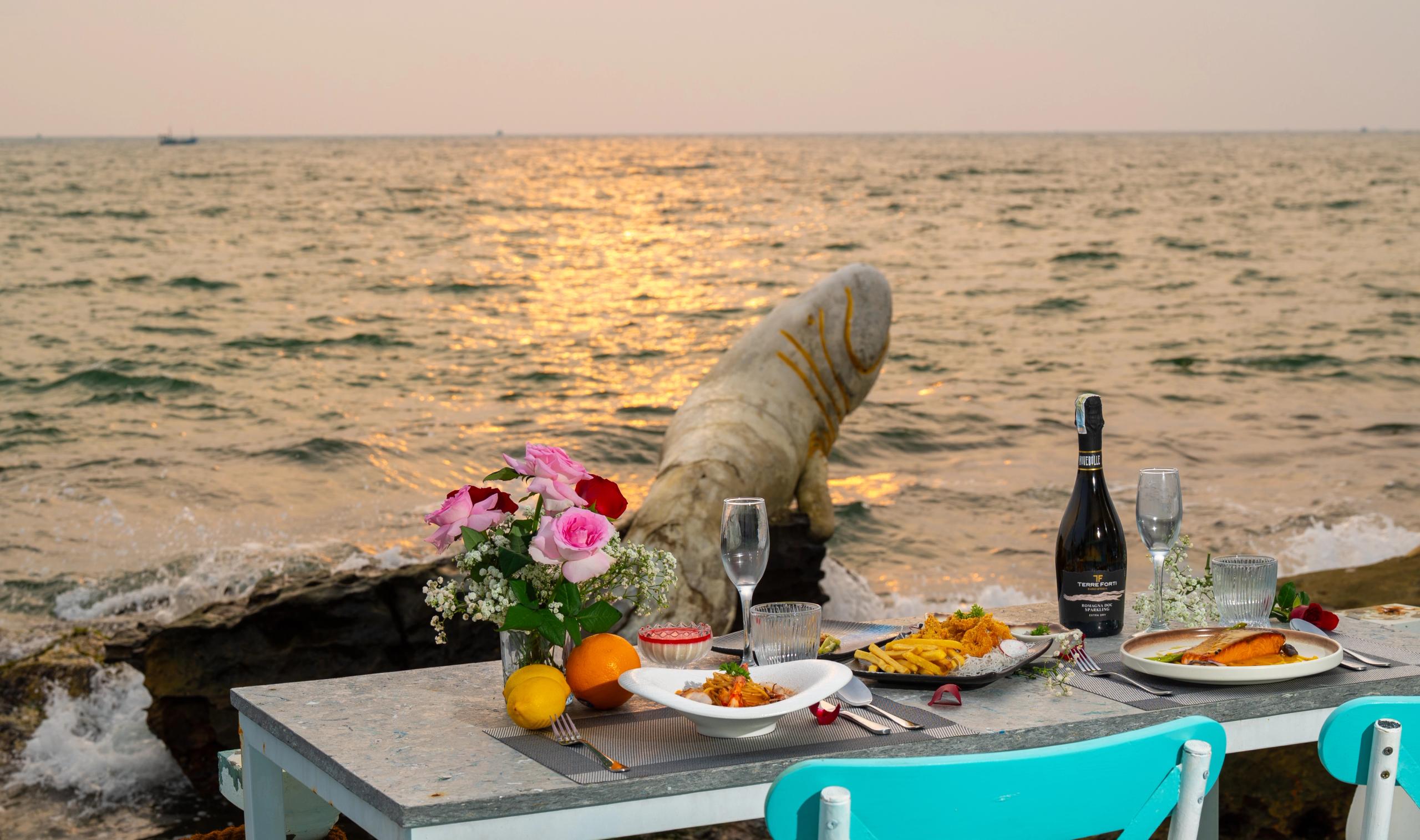
A seaside dining table set with flowers and wine

The Peppertree links French-influenced cooking with island ingredients. Oku at Regent is Japanese-French, with omakase and beef-focused formats. LAVA at InterContinental is a seafood-and-grill dinner. Choose the cooking and service format first, then the table and occasion.

Reviewed:

Three names that do not mean the same dinner

The Peppertree belongs to La Veranda on the Trần Hưng Đạo coast, nearer the older visitor corridor. Its own description connects French-influenced cooking with Phu Quoc pepper and fish sauce. That makes sense for someone who wants the island’s pantry interpreted through a composed meal rather than another whole-crab table.

Oku is inside Regent farther south on Bãi Trường, with an Omakase Atelier and Salon de Boeuf. LAVA, at neighbouring InterContinental, centres its published concept on flame-grilled seafood and imported beef. These are distinct kitchens, and the presence of imported ingredients is part of their style rather than a contradiction of dining on an island.

Reserve the restaurant, not just the resort name

A large property contains several meals. At Regent, Rice Market is a separate Vietnamese rice-and-noodle restaurant, not a casual name for Oku. At InterContinental, LAVA is separate from the INK 360 rooftop bar. Asking for dinner at the resort without the outlet name can lead to an entirely different menu and location from the one you pictured.

The practical starting point is the restaurant’s dining contact and a named service. For an outside diner, use the property entrance and reservation details together. A dining reservation does not automatically include the pool, a private beach facility or the use of another venue after dinner. Keep those extra plans separate so the meal stays the centre of the evening.

Useful opening detail and a complete menu price

The Peppertree publishes dinner 18:00–22:00. Regent lists Oku Tuesday–Sunday, 18:00–22:00, making Monday a meaningful difference between the options. LAVA publishes 17:30–22:00. These are venue service windows, not a promise that a full course sequence can start at the final minute.

Read the bottom of the menu as carefully as the dish. Thousands of đồng, service charge, VAT, a pairing and a supplement can each change the total. The Peppertree’s published menu identifies a 5% service charge plus prevailing VAT. A food-menu figure and a food-and-wine evening are different budgets; ask for one complete amount before committing to a prepaid experience.

When comparing two menus, write down what the food price actually covers: number of courses, individual versus shared portion, optional premium ingredient and whether drinks are included. A pairing may be alcoholic, non-alcoholic or not offered; a glass ordered separately is another expense. A simple message naming the date, party size, restaurant and menu format answers more than a general request for the resort’s dinner price. It also lets the dining team explain the particular service you are considering instead of sending information for several restaurants.

The island can appear in a sauce, not just a fish

The island’s ingredient stories often begin with small details: the aroma of freshly crushed pepper, the salty depth from a barrel-aged anchovy sauce, the earthy bitterness of nấm tràm. In a dining room, those can become a seasoning, a sauce or a mushroom course. They are worth asking about because they connect a polished dish with something you can also recognise in an everyday island meal.

Local does not mean every ingredient has the same origin. An island pepper sauce can accompany imported beef; a kitchen may use seafood from several regions. The interesting question is what the chef does with each component. Avoid choosing only the most expensive protein and missing the preparation that made you want this restaurant in the first place.

A beautiful table should support the food

For a celebration, think about conversation as well as the view: indoor versus terrace, distance from music and whether the table suits everyone. A coastal location does not give every seat the same horizon. If sunset is important, make the actual seating part of the request rather than assuming a sea-view headline chooses the table for you.

Plated dishes and a wine glass on a table beside coastal rocksPhu Quoc Times photo library

The Peppertree’s town-side coast and the southern Bãi Trường resorts also belong to different journeys. A rooftop drink followed by LAVA can be one-property planning; it is not the same as moving to a dinner in Ông Lang. Put the correct restaurant entrance on the route and give the meal breathing room.

For a food-led evening, one restaurant can comfortably be the plan. If you want a rooftop beforehand, keep it at the same property or genuinely nearby rather than crossing the island for a photograph. Choose the drink stop early enough that the dinner reservation remains the anchor. In the dining room, ask the server to explain an unfamiliar local ingredient or sauce; that is a better souvenir of the meal than choosing solely by the plate that looked most elaborate online.

Discuss a course menu before the kitchen starts

A long seafood or meat sequence may not be adaptable by removing a final garnish. Send the actual excluded ingredient or dietary request with the booking. A plant-based menu, a child’s simpler meal and a food-allergy requirement are three different requests. A good answer names the offered meal instead of only saying the kitchen can handle anything.

Choose this format because you want the cooking

If you are craving steamed crab, hot rice and sour soup, a specialist or family restaurant may already offer the dinner you want. Fine dining is worthwhile when the sequence, technique and service are part of the pleasure. You can enjoy both on the same trip without turning them into a contest over which is the real island.

Questions and answers

Which three restaurants should I compare first?

Compare The Peppertree’s French-influenced island cooking, Oku’s Japanese-French omakase and beef formats, and LAVA’s seafood-and-grill setting. They are different kitchens, not three versions of the same menu.

Is Oku open for dinner on Monday?

Regent’s published dining page lists Tuesday–Sunday, 18:00–22:00. That is different from the daily dinner windows published by the other two restaurants; use the named outlet’s schedule.

How long should I leave for a composed dinner?

Roughly two hours is a useful editorial planning allowance, with more time for a long tasting sequence. The actual menu and service determine the duration. Avoid a tight theatre or boat deadline immediately afterwards.

Does a set-menu price include wine and all charges?

Not automatically. Food, pairing, supplements, service and VAT can be separate. Read the actual menu note and obtain a complete total for the experience you book.

Can I book dinner by giving only the resort name?

Name the restaurant too. Oku and Rice Market are separate at Regent; LAVA and INK 360 are separate at InterContinental. The outlet determines the menu, entrance and service.

What if I only want a straightforward island seafood meal?

Choose a specialist seafood or family-style restaurant for steamed crab, grilled squid or sour fish soup. The slower course format is a separate experience, not a requirement for eating well.

Privacy settings

Change your choices anytime from the footer. They are saved in this browser for up to 180 days.

EssentialAlways on

Remembers privacy settings and supports functions you request, such as language selection.

Read our privacy policy

Fine Dining in Phu Quoc: Peppertree, Oku and LAVA