Ordering Local Food in Phu Quoc: Bowls, Shared Meals and Seafood
A bowl arrives complete. A plate of steamed crab usually does not. That small difference explains many awkward first orders on the island: the table has seafood but no rice, four people have ordered four large dishes, or a coffee has arrived while everybody is still waiting for breakfast. Read the meal format before filling the table.
A shared meal with seafood, vegetables and fruit; a serving example, not a current menu or price.
Useful details for the meal
For one person, choose a bowl or an individual rice plate. For a shared meal, order a main, vegetables, soup and rice for the table, adjusting the quantities together. At a seafood counter, agree on the item, weight, cooking method and total before it goes to the kitchen.
Reviewed:
A practical answer
A bowl for yourself, dishes for the table
Bún, bánh canh, cháo and hủ tiếu are normally ordered by the bowl. Ask for “một tô” for one or “hai tô” for two, then name any topping you want changed. Cơm phần is an individual rice meal; cơm gia đình and cơm niêu usually involve shared dishes and separately ordered rice. Reading those words prevents a photograph of a large serving from becoming an accidental order for every person.
For an illustrative table of three adults, begin with one fish or meat dish, one vegetable dish, a soup and a shared rice serving. That is a starting structure rather than a fixed quantity: a whole fish and a small claypot are different sizes. Ask “Phần này mấy người ăn?” (how many people does this portion serve?) before adding another main. It is easier to add a dish than rescue a table already crowded with food.
A local rice counter works differently again. Point to the prepared dishes you want with your rice, then ask the price of that plate. One person choosing two meats and another choosing tofu and vegetables need not have the same total. At a family restaurant, “cơm thêm” means extra rice; it does not automatically refill every shared dish.
The next decision
The cooking word changes the meal
Hấp is steamed, nướng is grilled, chiên is fried, xào is stir-fried and kho is braised. With crab, “hấp” keeps the meal centred on shelling and dipping; “rang me” brings a tamarind sauce and a messier plate. Nướng mỡ hành often comes with scallion oil and may have peanuts. Calling a dish plain grilled does not tell the kitchen which garnish or marinade you need omitted.
For a lighter taste, “nước chấm để riêng” asks for the dipping sauce separately and “ít cay” asks for less chilli. “Không ớt” asks for no chilli, but does not remove pepper or a pre-made spicy sauce. If the base has already been cooked, the server may only be able to change the garnish. An allergy needs a separate kitchen conversation, beyond these taste preferences.
Bún quậy has its own rhythm. The kitchen prepares the seafood and noodle bowl; at the condiment station you mix the dip with salt, chilli, sugar and tắc, the small citrus fruit. Start with a little and adjust after tasting the broth. The attraction is making your own balance, not having to cook raw seafood correctly at the table.
Bún quậy: the kitchen prepares the seafood bowl and the guest balances a separate dip.Phu Quoc Times photo library
The next decision
Useful phrases that complete an order
“Món này có cơm chưa?” asks whether rice is included. “Một phần hay một ký?” asks whether the price is per portion or kilogram. “Cho xem thực đơn” asks for the menu; “Bao nhiêu tiền tất cả?” asks for the total. Keep the food name on the screen while asking, rather than showing a translated paragraph after the server has turned to another table.
For a takeaway order, say “mang về”; for eating here, “ăn ở đây”. Ask for soup and noodles separately if the journey would otherwise turn the noodles soft. A hotel room without bowls is a different destination from a villa kitchen: include the utensils you actually need. A coconut or bottle of water may be an easy addition, but it still belongs on the order.
When part of a group arrives late, order their food by name rather than asking the kitchen to repeat “the same”. That might otherwise copy an extra topping, a large size or an ingredient they cannot eat. For a child, ask for a smaller portion if the kitchen offers one; half the food does not necessarily mean half the listed price.
The next decision
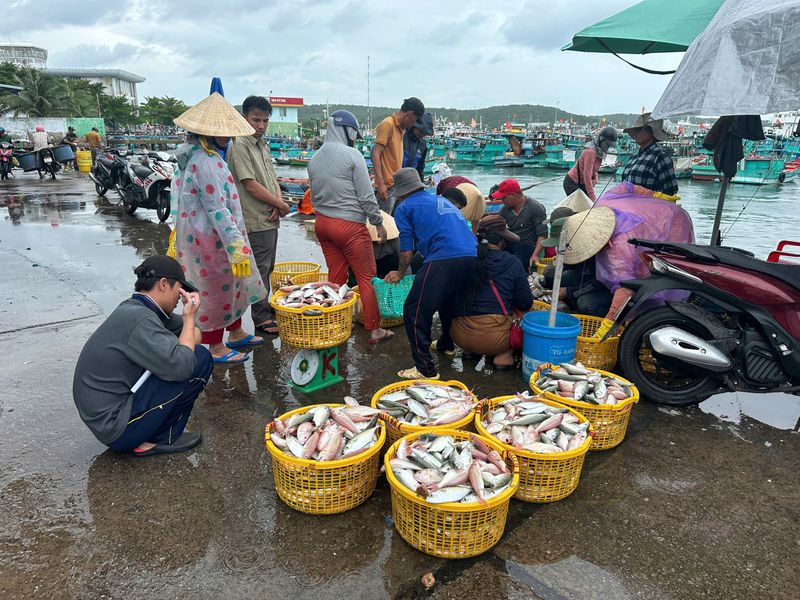
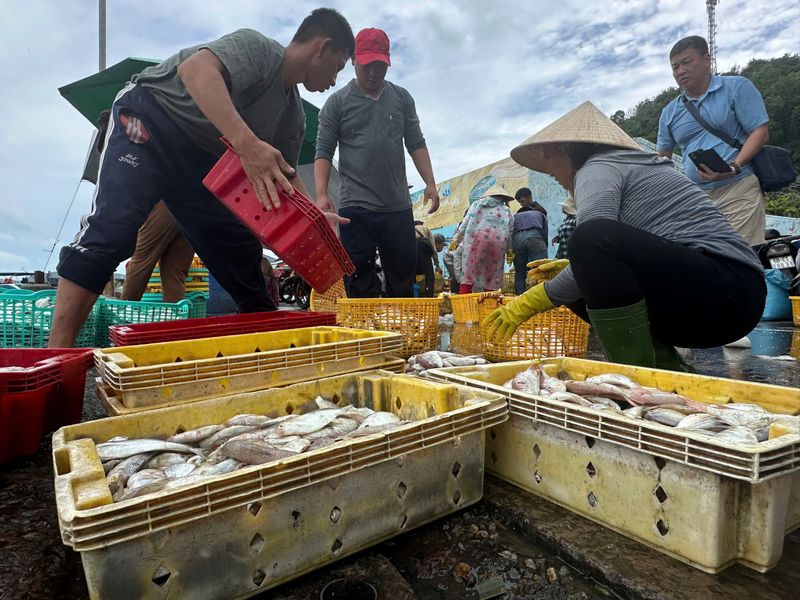
At the seafood counter, keep four details together
Name the seafood, see the weight, choose the preparation and hear the amount for that selection. “Con này bao nhiêu ký?” asks how much this specimen weighs. “Giá này gồm công chế biến chưa?” asks whether cooking is included. Keep the agreed selection on one written order, especially if someone proposes splitting a fish between soup and grilling.
A whole crab carries shell weight; a plate of picked crab meat is another product. “Một con” means one animal, “một đĩa” one plate and “một ký” a kilogram. No phrase alone specifies how much edible meat you will receive. Rice, vegetables and soup can make a satisfying shared meal without ordering another expensive shellfish simply because the first looks small.
The next decision
Change the order before the pan is on
If the order is wrong, point to the specific line and explain the change before preparation begins. “Chưa làm món này, đổi giúp tôi” asks to change an unprepared dish. Once a chosen live fish has been cut or a shared dish cooked, an easy cancellation may no longer be possible. Ask what has already started rather than silently assuming the whole order can be replaced.
At the end, “tính tiền” requests the bill. Read it against the dishes, quantities and drinks actually ordered. If a difference appears, ask what that line covers: extra rice, a cooking charge and an unrequested item are three different questions. A clear correction keeps the meal about the meal, with no need to treat every unfamiliar charge as an argument.
A useful next decision
Compare related choices
Explore the dishes, places and practical details that interest you.
Start with one shared main, vegetables and rice, adding soup or another main according to appetite and portion size. Ask how many people the main serves; a whole fish is not equivalent to a small plate.
Does a seafood dish include rice?⌄
Often it is a separate order. Ask “Món này có cơm chưa?” and whether the rice price is per bowl, portion or pot.
What do I do at a bún quậy condiment counter?⌄
Mix a small dipping sauce with the available salt, chilli, sugar and citrus, then adjust to your taste. The kitchen prepares the seafood bowl; the dip is your part.
How do I ask for less chilli?⌄
“Ít cay” means less spicy; “không ớt” means no chilli. Neither removes pepper or a pre-made sauce automatically. Name the ingredient, and discuss allergies separately.
What should a live-seafood order show?⌄
The selected type, weight, unit price, preparation, cooking charge if any and amount for that selection. Keep the rice and other dishes visible as separate items.
Can I order only coffee at a breakfast café?⌄
Some serve food and others focus on drinks. Ask which dishes are being served before ordering drinks if you need a full breakfast.
Ordering Local Food in Phu Quoc: A Practical Guide