Market or food hall
Hàm Ninh Market
Rạch Hàm, Hàm Ninh, Phú Quốc
Market or food hall in Ham Ninh.
- Market or food hall

PHU QUOC FOOD AND DRINK
A Hàm Ninh lunch begins well before the crab reaches the table. There are baskets in the market, herbs bought for somebody’s kitchen, salt in the air and the prospect of sitting down with time to work through a plate of shells. The pleasure is simple food and a long pause on the east coast. It deserves more than a rushed stop for a photograph of a pier.
Find a useful venue
Browse places by type, Area and the details that matter for your visit.
Rạch Hàm, Hàm Ninh, Phú Quốc
Market or food hall in Ham Ninh.
ĐT47, Ngã ba số 10 / Rạch Hàm, Hàm Ninh
Vietnamese restaurant in Ham Ninh.
H. Phú Quốc, Tỉnh Kiên Giang
Vietnamese restaurant in Ham Ninh.
Showing 3 places.
Choose steamed ghẹ for the crab’s own flavour, tamarind crab for a richer sauce-led dish, and rice, greens or sour soup to complete the table. Buy-and-cook arrangements and restaurant orders are different transactions. Hạnh Nhung’s Hàm Ninh branch is on Provincial Road 47; the 82–84 Đường 30/4 address belongs to Dương Đông.
Reviewed:
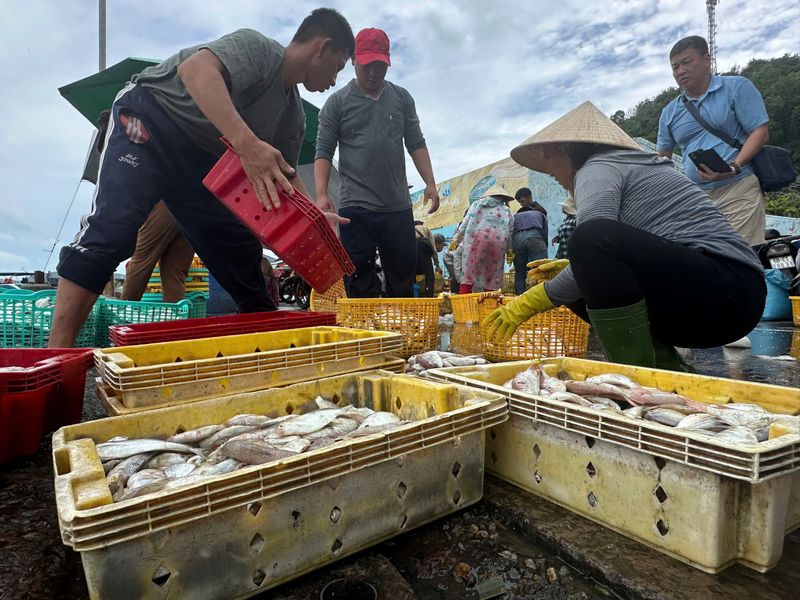
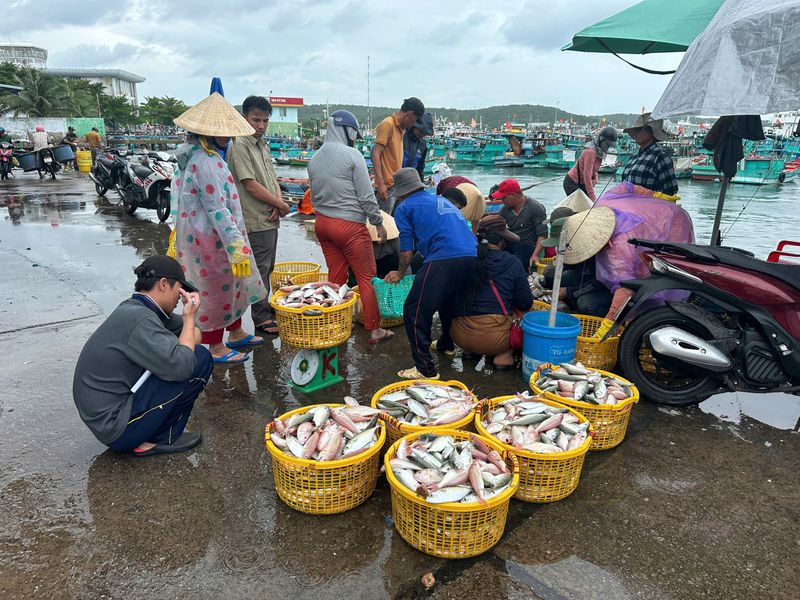
Hàm Ninh’s reputation is tied to ghẹ, the swimming crab that turns a simple lunch into an unhurried one. It is different from ordering a large mud crab purely for size. The surrounding food basket includes squid, mantis shrimp, fish, herbs, fruit and dried products. That wider picture matters. This is a village buying ingredients and serving meals, not a display assembled around a single famous seafood photograph.
Go to the working market in the morning for that everyday trade; make a seated seafood lunch a separate part of the day. The original describes early purchases and the changing pace as the morning moves on. A suggested 06:00–08:00 market visit catches that first part of the day without requiring you to eat a heavy crab feast at breakfast. It is an editorial visit window, not the opening time of every stall.
The fruit and herb stalls are worth a look even if you are not buying raw seafood. They connect the lunch on the table with ordinary household cooking. Walk lightly through the working lane, use small notes for small purchases and ask before making a seller the subject of a close photograph. You can enjoy the scene without turning the market’s normal morning into a long staged visitor activity.
Steamed crab leaves the sweet flesh clear against pepper-lime salt. Tamarind crab adds a sweet-sour coating and a messier, richer finish. Neither is automatically the correct order; they give different meals. If it is your first crab lunch here, a simple steamed preparation is a useful way to taste the ingredient before moving to strongly flavoured sauces. Keep a side plate for shells and let the table take its time.
For two people, start by agreeing the amount of crab, then add a vegetable and rice or soup according to appetite. For a larger table, grilled squid gives a firmer texture and a cooked fish soup adds a lighter course. Those are suggested combinations, not a fixed package. Ordering every dish with butter and garlic can make a varied seafood selection taste surprisingly similar. One simple preparation and one richer preparation give more range.
Read the less familiar names before ordering for the group. Tôm tích is mantis shrimp; sò and ốc cover different shellfish and snails; cá bớp is cobia, often used for a firm piece of fish in sour soup. Gỏi cá trích is a raw herring preparation, not another name for steamed fish. If the table wants cooked seafood throughout, a steamed or grilled fish gives a clear alternative without losing the coastal meal.
A crab lunch is partly a hands-on meal. Ask for the tools the kitchen provides for the shells and keep a plate clear for them, especially if children are sharing. Start with a smaller amount on each person’s plate so the rest stays easy to pass around. Rice and a spoonful of soup give a break between pieces of crab. That is why the best version of this lunch has time built into it: the table needs to eat at the pace of the food, rather than the speed of the next photo stop.
Hạnh Nhung lists its Hàm Ninh location on Tỉnh lộ 47, distinct from the town branch at 82–84 Đường 30/4. Use the Hàm Ninh branch when sending the meeting point. The operator lists general service 09:00–23:00. A named restaurant is useful when you want the kitchen, table and bill in one place, especially for a group or a lunch that needs to fit a wider east-coast day.
Buying crab at the market can be enjoyable if the cooking arrangement is already clear. Decide who cooks it, where you will sit and what the preparation costs before completing the seafood purchase. A market seller selling ingredients is not automatically operating the dining room you need. The original describes nearby kitchens helping with cooking; treat the actual agreed kitchen as the meal, rather than assuming any stall can instantly turn a purchase into lunch.
For a family with children or somebody who eats slowly, a seated restaurant can be worth the simpler arrangement. For a short market morning, fruit or a prepared breakfast may be enough, leaving the crab meal for later. Keep the two pleasures separate when that makes the day easier. There is no prize for carrying raw seafood through the rest of an outing just because buying it at the market sounded more local.
For weight-priced seafood, the useful agreement is species, amount, price unit and preparation together. Half a kilogram at a kilogram price is half that listed amount before any separately stated cooking or side dishes. A per-100-gram quote uses another multiplier. The seafood-price guide shows the sums; at the table, identifying those four details once is usually enough to make the rest of the order straightforward.
A photograph of a large platter does not establish the size of your own order. Ask how the portion will be shared and build the rice, vegetables and soup around it. A smaller crab order with a varied table can be more enjoyable than a large pile of one ingredient. This is particularly useful when some diners want the shelling experience and others would prefer a cooked fish or a simple rice dish.
Keep raw purchases, fully cooked dishes and dried souvenirs as separate decisions. One-sun squid and fully dried squid have different storage and cooking needs; a ready-to-eat snack is another product again. If lunch is the purpose, enjoy lunch first. The dried-seafood and packing guides handle the journey home so a seaside meal does not have to become an unplanned shopping and cold-storage problem.
Hàm Ninh faces the eastern side of the island. Its morning light and lunch by the water are different from the sunset restaurant scene on the west coast. Choose it because you want the crab meal and village context, not as a substitute for the same sea-sunset photograph at Long Beach. A morning market visit followed by time on the east and a later seafood lunch makes a coherent outing.
If the group wants many different cuisines in a short walk, Dương Đông offers another kind of dining base. If you only want a cooked crab portion near where you are staying, the island’s other seafood kitchens may already solve that meal. Hàm Ninh is strongest when the setting and the time spent there are part of the pleasure. Leave room to sit rather than turning the drive into a quick collection of famous food names.
For a light version of the outing, keep the morning to the market and a small prepared meal, then return another day for the crab table. For a food-led visit, do the reverse: make the restaurant the anchor and leave the market as a short look around. You can enjoy both without forcing a large seafood purchase before you have a place or an appetite to cook it.
A useful next decision
Explore the dishes, places and practical details that interest you.
Phu Quoc seafood by dish and preparation: crab, squid, scallops, sea urchin and cobia hotpot, with clear advice on portions, price units and raw fish.
Read seafood prices in Phu Quoc with a real Rạch Vẹm menu example, weight arithmetic, cooking charges and the difference between a portion and a kilo.

Eat in Dương Đông through its river market, island noodle shops, shared rice tables and seafood restaurants, with named starting points and distinct streets.
Steamed ghẹ with pepper-lime salt puts the crab itself first. Tamarind crab gives a richer, sweet-sour sauce-led meal.
No. Ingredient sellers and dining kitchens are separate. Agree a cooking place and fee before buying seafood you intend to eat immediately.
The operator lists it on Provincial Road 47 in Hàm Ninh. The 82–84 Đường 30/4 address is the Dương Đông branch.
Try a morning visit, with 06:00–08:00 as an editorial allowance for the early trade. A seated crab lunch can happen separately later.
Rice, a vegetable and sour fish soup add contrast; grilled squid gives another texture for a larger group. Size the crab order before adding more mains.
No. It is an east-coast village and seafood outing. Choose it for morning context and a long lunch, rather than the west-facing sea-sunset scene.