Culture and Temples in Phu Quoc
Compare six cultural places by belief, setting and the kind of visit they support.
Read the guide

CULTURAL PLACE GUIDE
The fishing boats explain the shrine better than the sunset does. At the mouth of the Dương Đông River, a small building rises above the rocks while the working harbour carries on beside it. Incense, water and the town’s evening noise belong in the same scene. Stay long enough to notice that relationship before turning towards the horizon.
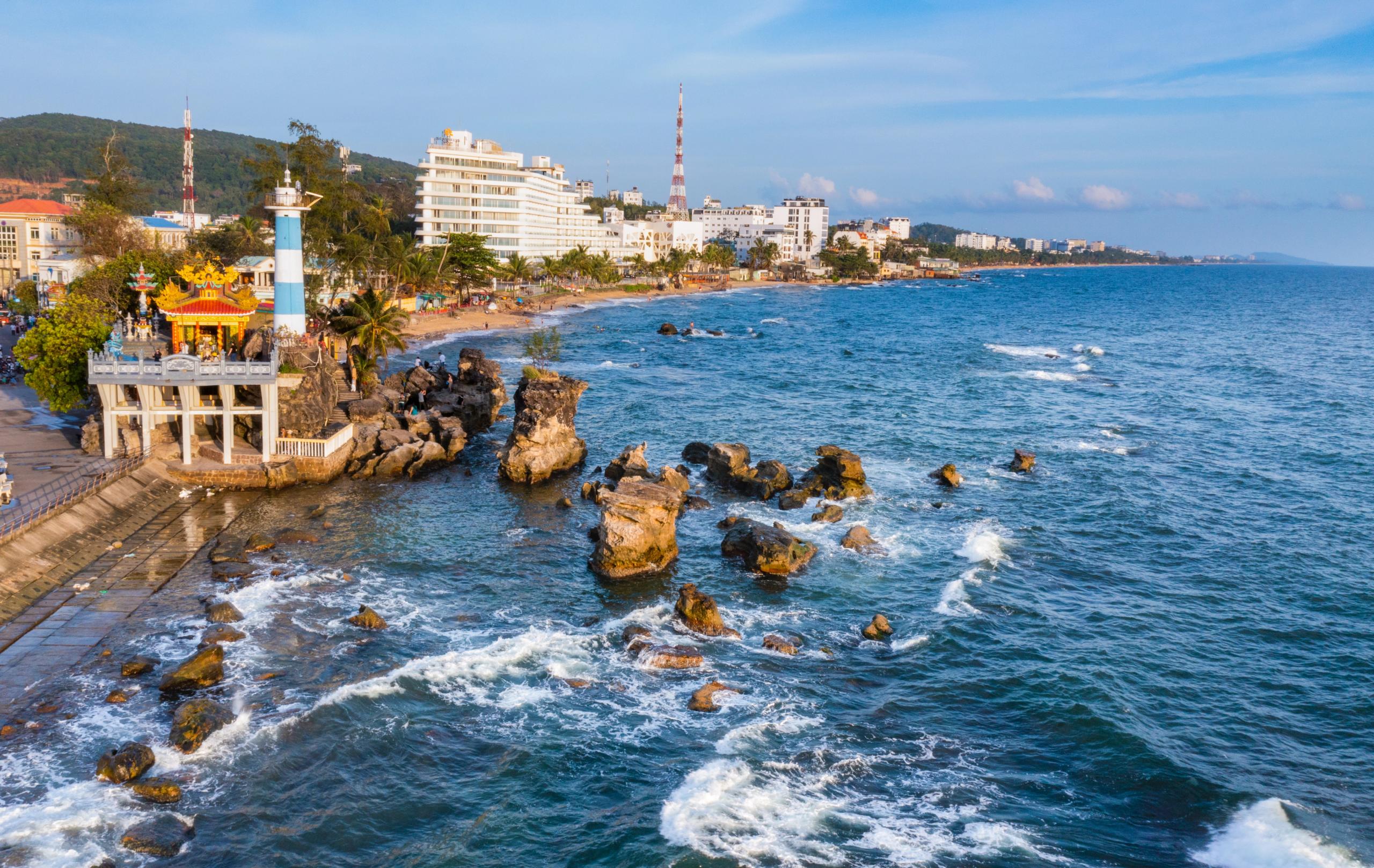
Dinh Cậu is a compact shrine and waterfront visit at the end of Võ Thị Sáu Street in central Dương Đông. Allow about 30–45 minutes for the approach, shrine and sea view, longer if sunset is the main event. It pairs naturally with nearby Dinh Bà and dinner around the night market.
Choose it for a little island culture within an easy town evening. The climb is short but includes stone steps; the flat waterfront gives a different view for someone who stays below.
Editorially reviewed:
PLAN QUICKLY
Look at the working water before the ornamental details.
Dương Đông opens to the sea here. Boats, the river mouth and the rocky promontory make the link between seafaring and worship visible without a long introduction. Fishing families come to pray for protection and a good voyage. The shrine is small, but the landscape around it explains why it matters to a town whose livelihood has long depended on the water.
Local tradition places the shrine’s origins much earlier than its present appearance. The documented 1937 building phase is a more useful date for reading the structure you see today than treating every wall as seventeenth-century fabric. Follow the short stone climb, notice the roof and entrance, then give the worship space a quiet pause before taking the broader view.
Dinh Bà on the same central walk is a separate shrine, not another name for this building. Its Mother Goddess story gives a different layer to the evening. Visit each for its own meaning, then let the waterfront supply the unplanned part: changing light, boats at anchor and the town beginning to eat.
A good sequence is Dinh Bà, Dinh Cậu and then dinner, with room to linger.
Arrive before the main sunset gathering if you want to look around the shrine with less pressure. The light changes throughout the year, so use that day’s sunset time rather than a permanent 17:00 appointment. Going earlier also gives a daylight look at the uneven approach before people begin stopping for photographs.
The night market is the dinner part of the evening, not the shrine itself. Finish the waterfront first, then choose whether you want a sit-down meal or a slower market wander. If you have a driver, agree a receiving point on the town side before separating; a crowded shrine approach is an awkward place for a car rendezvous.
Treat the shrine and the surrounding shore as two parts of one stop.
Wear footwear that stays secure on the stone steps, especially after rain. At the top, keep the entrance clear for worshippers and follow the sign about shoes at the threshold. Cover shoulders and knees for the shrine. A light layer in the day bag makes this easy even if the afternoon began at the beach.
The rocky headland is an outlook, not an invitation to climb down for a closer wave photograph. Pick a firm viewing position and watch the sea from there. For photography, the relationship between roof, rocks and harbour tells a fuller Dinh Cậu story than a tightly framed sunset that could have been taken anywhere.
Walk to the end of Võ Thị Sáu Street on the central Dương Đông waterfront. Use the shrine name for the destination and a separate town-side meeting point for a vehicle pickup.
PHOTOGRAPHED PERSPECTIVES
Explore more perspectives on the guide’s subject. Each caption explains the context of the photograph when taken.
Choose a cultural pairing that leaves room for the Dinh Cau encounter.
Compare six cultural places by belief, setting and the kind of visit they support.
Use secular interpretation and museum context for wider historical questions.
Plan transport and combine nearby stops without unnecessary backtracking.
Specific answers for this experience.
About 30–45 minutes is a useful allowance for the shrine and waterfront, plus extra time if you want to stay through sunset.
No. The shrine is on the rocky waterfront. The night market is a separate nearby part of a central evening.
No. Dinh Bà Thủy Long Thánh Mẫu is a separate nearby shrine with its own Mother Goddess tradition.
Yes, the approach to the shrine has stone steps. Someone avoiding the climb can enjoy the lower waterfront instead.
Arrive before sunset for daylight details and changing harbour light. Use the actual sunset time for your day rather than a fixed year-round hour.
You can visit to learn and observe without taking part in worship. Keep the approach clear and let local worshippers use the shrine naturally.
Editorial review: