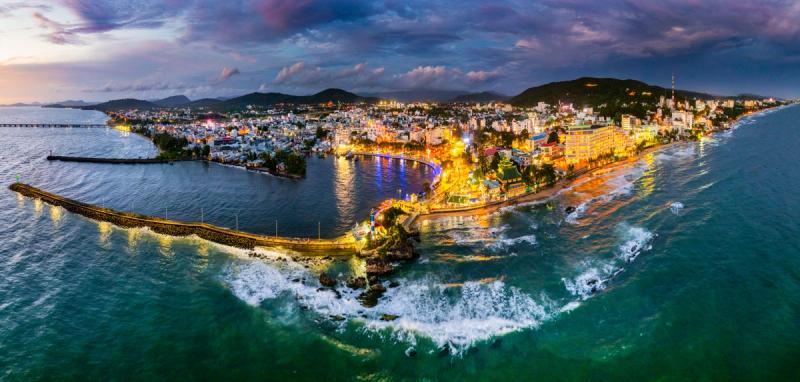
Culture and Temples in Phu Quoc
Compare six cultural places by belief, setting and the kind of visit they support.
Read the guide

CULTURAL PLACE GUIDE
The sea opens up behind you as you climb, then the main hall draws your attention back to timber, rooflines and incense. Hộ Quốc’s appeal is that turn between two views: a broad island coast and a place still being used for worship. It is worth more than a quick stop for the staircase photograph.
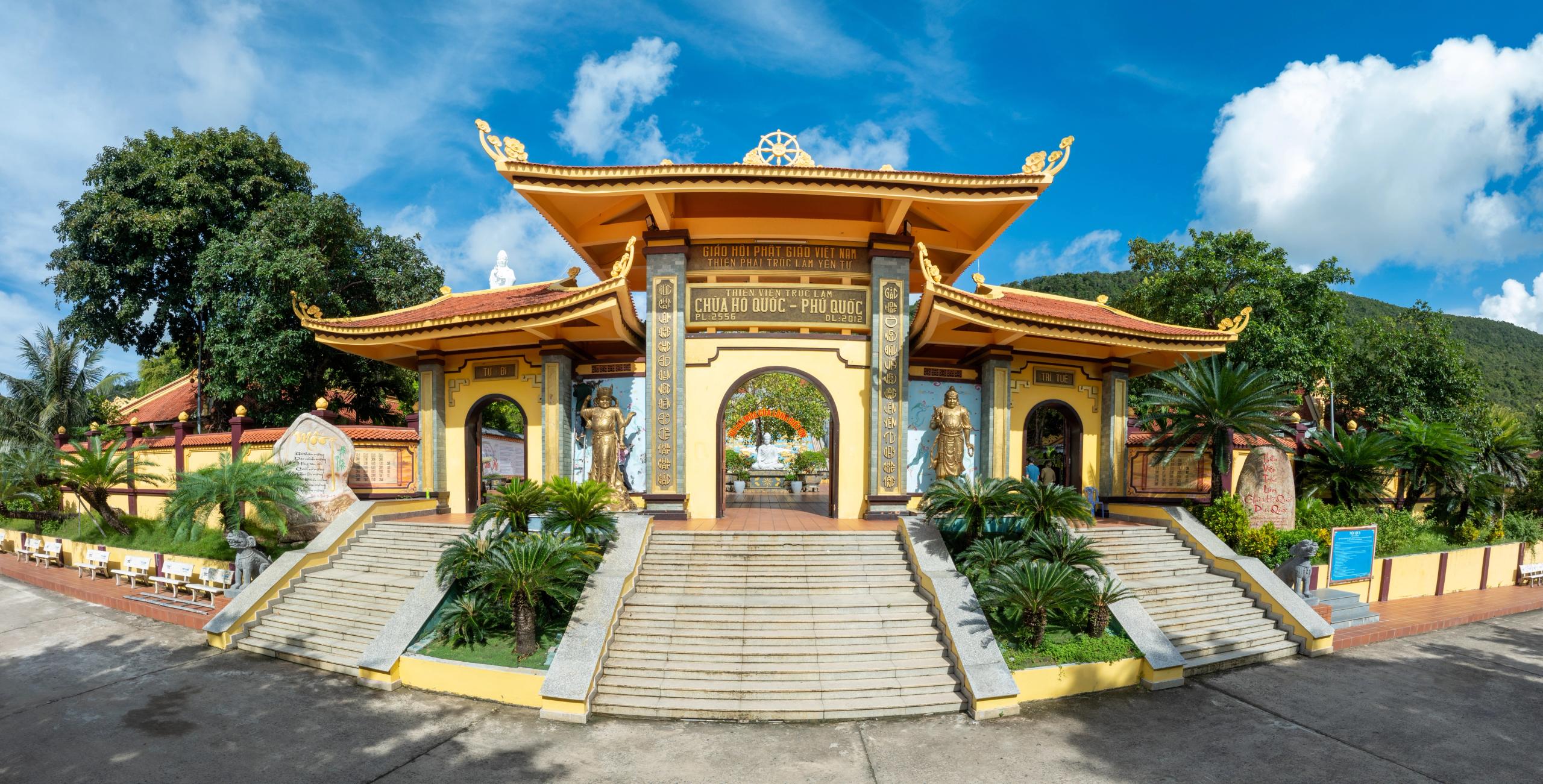
Hộ Quốc, also called Thiền viện Trúc Lâm Hộ Quốc, is on the southeast side of Phu Quoc. Construction began in 2011 and the monastery opened in late 2012; its Lý–Trần-inspired appearance is not evidence of a centuries-old building. Allow roughly 45–60 minutes for the gate, staircase, hall and sea view as our visit suggestion.
Make it part of a southeastern or southern road day. A quieter morning visit fits the setting better than a rushed arrival already dressed for the next swim.
Editorially reviewed:
PLAN QUICKLY
Read the site as a working monastery with a carefully composed sea-facing approach.
Begin at the three-entrance gate and take in the stairway before climbing. The broad approach, dragon details and open court create a transition from the road into the worship space. Pause on a landing and look back toward the sea: that change of direction is one of the most rewarding moments of the visit.
In the court and main hall, notice how the dark timber, curved roofs and carved details work against the open sky. The Lý–Trần references belong to the design language, while the building itself is modern. The Trúc Lâm association gives another layer: this is a Vietnamese Zen tradition, not simply an ornate lookout built for tour photographs.
The name Hộ Quốc expresses protecting the country, and the sea-facing setting gives that idea a particularly island character. If open to visitors during your stop, the ancestral hall behind the main hall adds the lineage story. Let worship determine where you pause: a quiet look from the edge can be more appropriate than walking into the centre of a ceremony.
The approach is by road; this is not a forest hike, but the stairs are a real part of the visit.
Use the name Thiền viện Trúc Lâm Hộ Quốc and the Suối Lớn locality when arranging the driver. From the central-western visitor strip, keep it on a day moving toward the southeast and south, instead of returning from Gành Dầu just for one stop. Early daylight or later afternoon is more comfortable on the exposed paving; do not turn an appealing sunrise photograph into an assumed before-dawn gate opening.
Sao or Khem can supply the beach part of a southern road day, while An Thới offers another town setting. Choose one of those rather than treating all as a compulsory loop. Keep temple clothing in the day bag before the beach stop. The prison is a separate, emotionally heavier visit; it need not be inserted simply because it is in the south.
A light extra layer is enough to keep the temple visit and the beach day compatible.
Cover shoulders and knees for worship spaces, remove shoes where indicated and follow the current signs for photography. Beachwear belongs after the visit, not beneath a rushed promise to stay only for one image. Give people praying room before choosing where to stand with a camera, and ask before a close portrait of a worshipper or monastic.
The broad staircase and open paving can be hot or slippery when wet. Take it in short stages and carry water; for someone who cannot manage steps, ask the site about the actual alternative approach rather than assume the upper hall is step-free. A shorter visit from an accessible receiving area is better than promising everyone the same route.
Ask for Thiền viện Trúc Lâm Hộ Quốc in the Suối Lớn area on the southeast side. Agree where the driver waits while you climb and keep water and the extra clothing with you. The turn-in and the upper staircase are different parts of the approach.
Compare Ho Quoc with other cultural stops before adding another visit.
Compare six cultural places by belief, setting and the kind of visit they support.
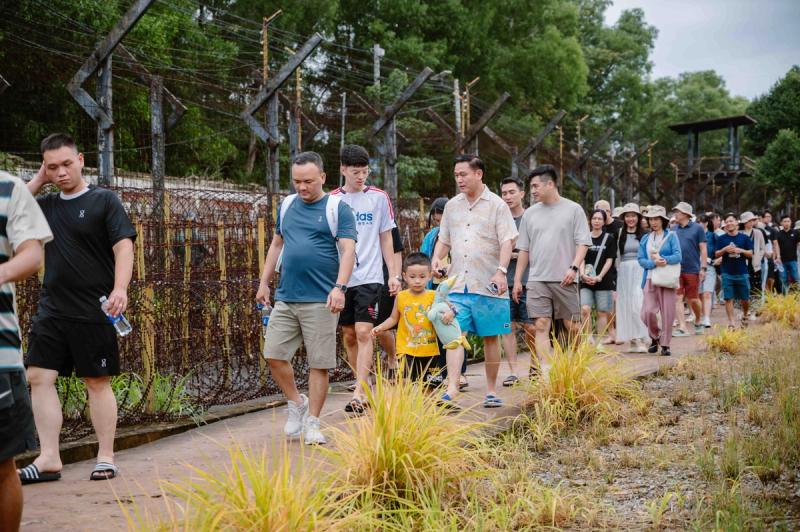
Use secular interpretation and museum context for wider historical questions.
Plan transport and combine nearby stops without unnecessary backtracking.
Specific answers for this experience.
The design draws on older Vietnamese architecture, but construction began in 2011 and inauguration was in late 2012.
Roughly 45–60 minutes is our suggestion for the gate, steps, hall and view. Allow more if you attend worship or want a slower visit.
Bring a light layer and clothing that covers shoulders and knees for worship spaces, even when the next stop is a beach.
The east-facing setting gives it morning interest, but a sunrise image does not establish before-dawn access. Plan a daylight visit unless you have a receiving arrangement.
Do not assume so. Ask about the actual alternative approach and which areas are accessible; the broad stairway is a major part of the usual visit.
One southern beach such as Sao or Khem, or an An Thới town stop, makes more sense than a distant northern attraction on the same short outing.
Editorial review: