Culture and Temples in Phu Quoc
Compare six cultural places by belief, setting and the kind of visit they support.
Read the guide

CULTURAL PLACE GUIDE
A name that appears on island roads becomes a person here. In Gành Dầu, the Nguyễn Trung Trực memorial connects the northern coast to the nineteenth-century resistance to French rule. The courtyard is a place for remembrance within a living village, not just another gate on the road between resorts.
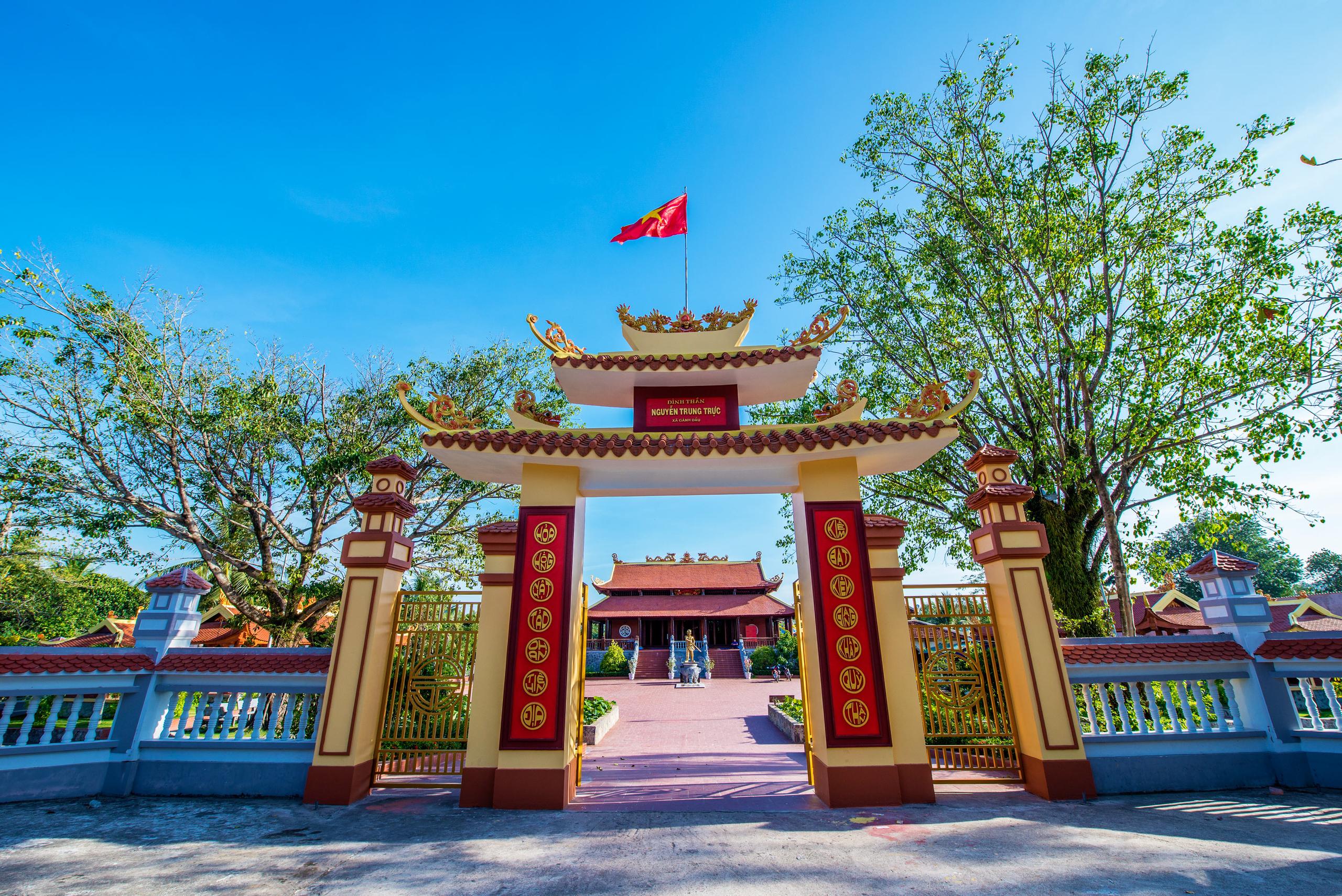
This guide covers the Nguyễn Trung Trực temple in Gành Dầu, northwest Phu Quoc. Plan about 20–40 minutes for the courtyard and main worship space, then continue to the village or coast. The much better-known Nguyễn Trung Trực temple in Rạch Giá is on the mainland.
It works especially well within a northwestern day when you want to understand the place between the large attractions. A memorial pause and a village meal give that day another character.
Editorially reviewed:
PLAN QUICKLY
Understand the person first, then the purpose of the memorial.
Nguyễn Trung Trực’s resistance is closely associated with Rạch Giá in 1868 and the retreat to Phu Quoc that followed. That island connection is why a Gành Dầu stop belongs in more than a general list of religious buildings. The temple commemorates a national hero, a different purpose from a shrine to a protective deity.
The provincial tourism account dates the Gành Dầu temple to 1993. The memorial is therefore later than the life it remembers; the building is not a surviving headquarters from the fighting. Looking at it this way leaves room for both history and the community’s later decision to keep that history present.
Move from the signed gateway into the courtyard, then towards the main worship space as it receives visitors. Read the name and interpretation before taking a photograph. Take time to understand whom this particular community remembers, then let the village around it add another layer to the story.
Keep this stop with Gành Dầu rather than making it an isolated cross-island journey.
From a northern stay, make the memorial a short visit before a village meal or coastal outlook. From Dương Đông, group it with other northwest interests rather than add a southern beach on the same short outing. Safari, VinWonders and Grand World are separate time-consuming visits; choosing one of them does not require adding all of them.
The traditional remembrance occasion falls in the eighth lunar month, so it will not have one fixed Gregorian date every year. A ceremony brings a different use of the courtyard from an ordinary sightseeing day. If your purpose is a quiet architectural visit, leave space in the plan rather than arrive expecting a ceremony to behave like a scheduled show.
Keep the memorial’s purpose visible in the way you spend time here.
Cover shoulders and knees for the worship space, keep voices low and follow the instruction about footwear. You can read and observe without making an offering. At a busy moment, let people carrying offerings pass first and keep the group out of the central approach.
Use the signed temple name for a photograph or travel note. That small detail prevents later confusion with Rạch Giá or another memorial on the island. After the visit, continue into Gành Dầu with the history in mind: the village’s working coast is a useful counterpart to the formal remembrance space.
Ask for the Nguyễn Trung Trực temple in Gành Dầu, Phu Quoc, and use the signed gateway. A search for the hero’s name alone may return the mainland Rạch Giá destination.
Place this Ganh Dau memorial within a considered cultural and northern journey.
Compare six cultural places by belief, setting and the kind of visit they support.
Use secular interpretation and museum context for wider historical questions.
Plan transport and combine nearby stops without unnecessary backtracking.
Specific answers for this experience.
No. This is the Gành Dầu memorial on Phu Quoc. Rạch Giá’s Nguyễn Trung Trực temple is a separate mainland site.
His resistance after the Rạch Giá fighting in 1868 included a Phu Quoc chapter, giving the island its own connection to his life.
No. The Gành Dầu memorial was built later; provincial tourism records give 1993 for this temple.
About 20–40 minutes is useful for the courtyard and worship space, plus time for a separate village or coastal stop.
A Gành Dầu village meal, coastal outlook or another chosen northwest visit fits better than a quick journey to the south.
No. The traditional occasion follows the lunar calendar. Use the year’s actual programme if attending the ceremony is your main purpose.
Editorial review: