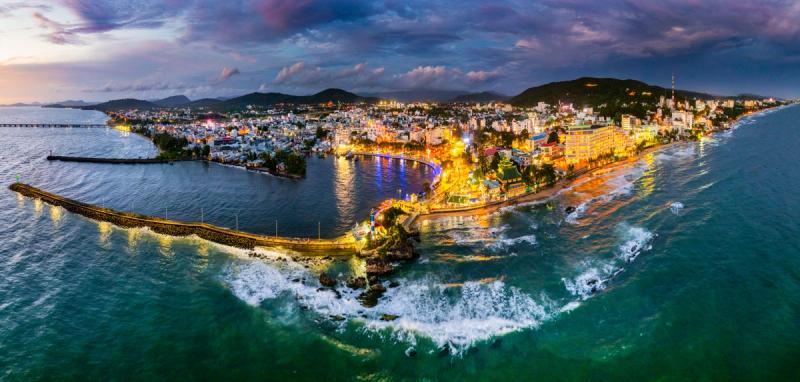
Culture and Temples in Phu Quoc
Compare six cultural places by belief, setting and the kind of visit they support.
Read the guide

CULTURAL PLACE GUIDE
Step back from Dương Đông’s shops and a smaller town rhythm appears: a courtyard, the hall and people coming to pray. Sùng Hưng’s appeal is its scale. The island’s older Buddhist life sits close to everyday commerce, without the monumental sea-facing approach that makes Hộ Quốc famous.
Sùng Hưng is a town pagoda on Trần Hưng Đạo Street in Dương Đông. Give it about 20–40 minutes within a central cultural walk. Choose it for an older religious setting and a more intimate visit; choose Hộ Quốc separately for the southern monastery and broad coastal composition.
This is a working pagoda, not a timed visitor show. A short quiet visit can be complete without entering every room or waiting for a ceremony.
Editorially reviewed:
PLAN QUICKLY
Its story is tied to the community that grew around the town.
The account recorded by Buddhist publication Giác Ngộ links the name to two earlier places, Sùng Nghĩa and Hưng Nhân, associated with local remembrance and worship. Their joining explains the combined name. It is a more revealing detail than simply calling the pagoda old: it shows how a community’s sacred places can grow together.
Look at the transition from the street into the courtyard, then towards the hall. This modest town atmosphere feels different from the much larger Hộ Quốc experience. Let the difference guide the visit: pause in one space, notice the relationship between worship and the surrounding neighbourhood, and give the hall attention when it is receiving visitors.
Do not confuse Sùng Hưng with Sư Muôn, also called Hùng Long Tự, outside this central walk. Similar English travel labels often make them look interchangeable. Sùng Hưng is the town stop; Sư Muôn belongs to a different journey towards the inland hills.
EXPERIENCE CONTEXT
Sung Hung Pagoda architecture and sacred-space contextBreakfast, a pagoda and the waterfront make a coherent short outing.
A morning sequence can be Sùng Hưng, Dinh Bà and Dinh Cậu, with breakfast before or after according to where you stay. These are distinct kinds of worship, not three versions of the same attraction. Keep each stop small enough to notice the difference rather than spend the morning collecting gates.
If you prefer the evening waterfront, place the pagoda earlier in the day instead of assuming an active prayer hall follows night-market hours. A taxi works from a more distant hotel, while a central stay makes a short walk possible. Build the route around the signed entrance, with water and a light covering for shoulders in the day bag.
The useful preparation is simple and leaves attention for the place.
Cover shoulders and knees, leave shoes where indicated and avoid standing between worshippers and the altar. If a service is underway, a quiet position at the edge gives a better visit than trying to walk through the centre. Donation and worship are personal choices, not a condition for understanding the architecture and local setting.
Keep photography to the places that welcome it. A picture including the courtyard and the relationship to town often explains more than a close altar detail. Ask before including a worshipper prominently. On the way out, return slowly to the street: the contrast between the two rhythms is part of Sùng Hưng’s character.
PRACTICAL PLANNING
Entrance, steps and approach to Sung Hung PagodaAsk for Sùng Hưng Cổ Tự on Trần Hưng Đạo Street, Dương Đông, not Sư Muôn/Hùng Long Tự. Use its signed entrance as the walking destination.
VISITOR CONTEXT
Respectful visitor context at Sung Hung PagodaCompare the urban pagoda with other cultural settings before extending the walk.
Compare six cultural places by belief, setting and the kind of visit they support.
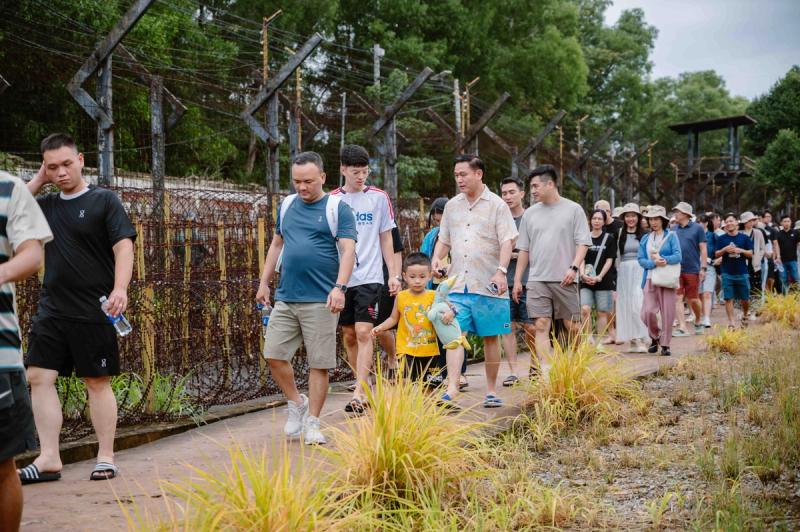
Use secular interpretation and museum context for wider historical questions.
Plan transport and combine nearby stops without unnecessary backtracking.
Specific answers for this experience.
No. Sùng Hưng is in central Dương Đông; Sư Muôn, or Hùng Long Tự, is a separate inland pagoda.
The historical account links Sùng Hưng to the earlier Sùng Nghĩa and Hưng Nhân places of worship.
Around 20–40 minutes works for a quiet visit, with a separate allowance for the rest of your town walk.
Sùng Hưng gives a smaller town Buddhist setting. Hộ Quốc is a separate southern monastery with a grand sea-facing approach.
Yes. A central cultural walk can include Sùng Hưng, Dinh Bà and Dinh Cậu, giving each its own pause.
No. A quiet courtyard and hall visit can be worthwhile on its own. Follow the pagoda’s visitor instructions when worship is underway.
Editorial review: