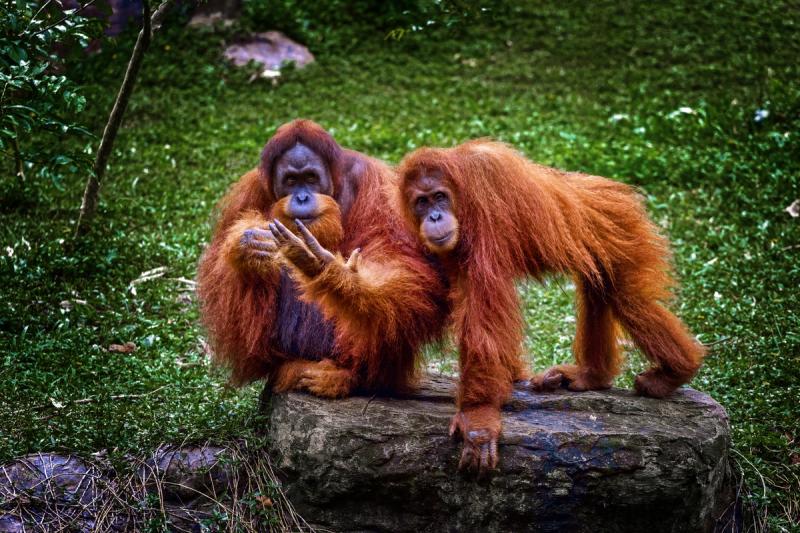
Wildlife experiences in Phu Quoc
Return to all six guides in the Wildlife cluster.
Read the guide

WILDLIFE FIELD GUIDE · PHU QUOC
On the island, wildlife can mean a bird heard beside a river, a reef below a snorkel mask or an animal inside a managed park. The label alone tells you little about the encounter. Look instead at what visitors are asked to do, and what the animal has to do for that moment to happen.
Choose observation that lets animals continue their normal behaviour: quiet forest and river outings, reef trips without handling, or a managed park visit where participation in contact activities is optional. Ask what the programme actually does before relying on words such as eco, rescue or conservation.
A responsible choice can still be enjoyable and practical. You do not need a perfect environmental label to choose a shorter, quieter outing that avoids staging animals.
Editorially reviewed:
PLAN QUICKLY
A forest walk, a reef session and a managed park should not be judged as though they are the same product.
For a National Park or Cửa Cạn outing, ask who guides, where access is arranged and what happens if little is seen. A programme built around habitat and observation still has something to offer on a quiet day. A promise to produce a rare animal, or a plan that depends on feeding one into view, changes the experience you are buying.
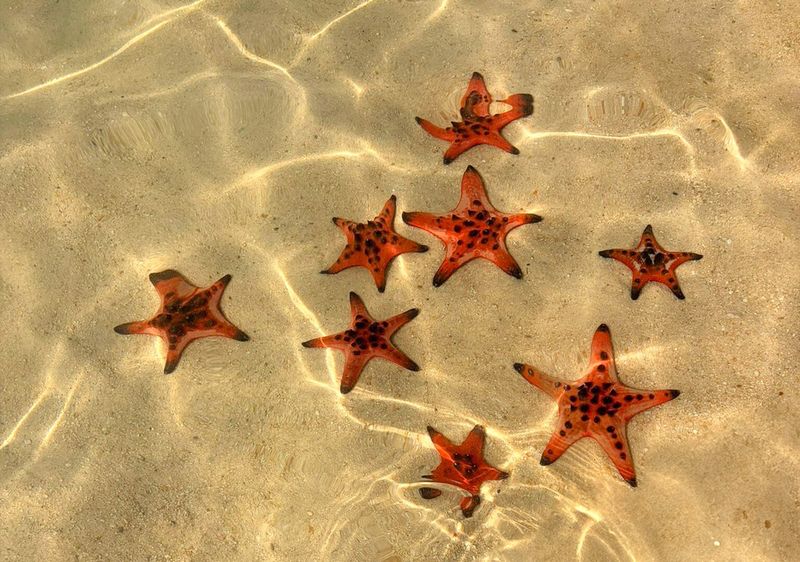
For a southern reef day, ask how the group enters the water, who supervises and whether viewing depends on feeding or moving animals. Snorkeling can be rewarding without a close-up on demand. The same principle applies on the northern starfish shore: the scene worth seeing is the animal underwater in its own place, not an arranged line on the sand.
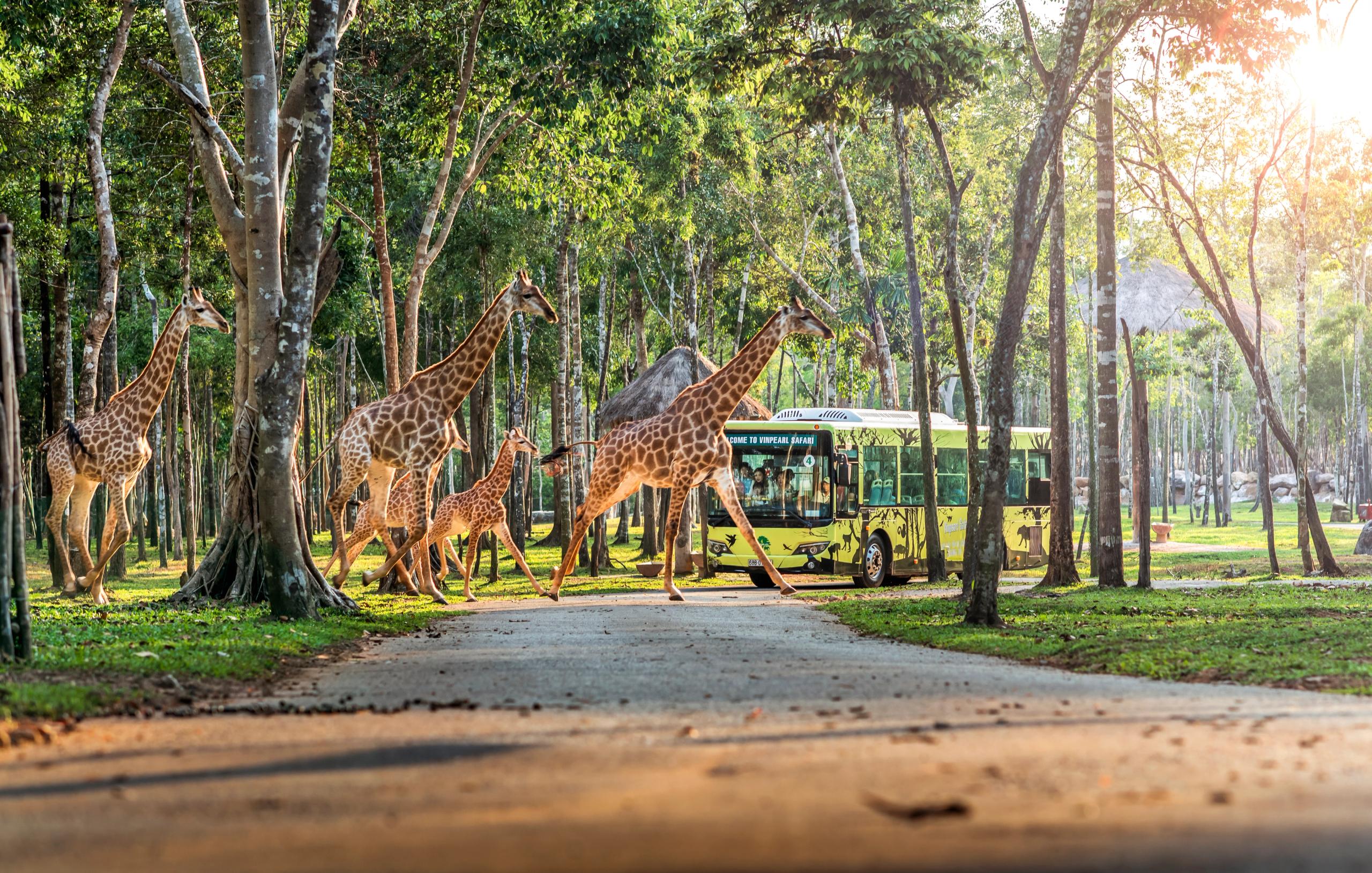
At Safari, distinguish viewing from a show or a staff-run feeding session. You can choose the bus and walking exhibits without buying every extra. A park’s conservation description explains its stated purpose; it does not by itself settle every welfare question. Choose the activities you are comfortable supporting rather than treating an admission ticket as a commitment to participate in all of them.
A specific answer about the activity is more useful than a long list of reassuring adjectives.
Ask what the animal is expected to do; whether the guest may observe without touching or feeding; who manages the group; and what replaces the encounter if conditions change. These questions work for a river outing, a reef trip and an optional park activity without pretending the three are identical. A clear operator can explain the actual session and its limits in ordinary language.
Read wildlife photographs as examples, not automatically as inclusions. Check whether the pictured activity is the one being sold and whether it requires an additional ticket. Keep the decision before payment, while choosing an observation-only option is easy. Do not buy an activity simply because a guide has already brought you to its sales counter.
The small movements around coral and shelter are more interesting when they have not been rearranged for the group.
Keep fins, loose equipment and hands away from the reef. If a mask needs adjusting, return to the boat or an agreed clear entry area rather than standing on coral. Do not touch, chase or feed marine animals for a photo. NOAA’s viewing guidance supports these simple practices; they protect the encounter as well as the habitat.
In the forest, keep food packed and leave nests or young animals alone. A phone recording can help identify a sound afterwards without becoming a lure broadcast into the trees. If an offered activity depends on restraint, repeated forced posing or an animal being passed between visitors, declining that activity is a complete decision; it does not require a confrontation.
There is no single wildlife-tourism entrance. Use the actual receiving point in the forest, river, reef or park guide and keep transport tied to that activity. Choose a smaller programme if it gives the group more time to observe without crowding the subject.
PHOTOGRAPHED PERSPECTIVES
Explore more perspectives on the guide’s subject. Each caption explains the context of the photograph when taken.
Explore more ways to observe wildlife responsibly.
Return to all six guides in the Wildlife cluster.
Read the living-heritage guide to breed characteristics, folklore, consent and welfare.

Continue with an adjacent wildlife decision.

Continue with an adjacent wildlife decision.
Continue with an adjacent wildlife decision.
Continue with an adjacent wildlife decision.
Specific answers for this experience.
No. Ask what happens during the session, who runs it and what visitors are expected to do. A label does not replace that explanation.
Yes. Build the visit around the viewing bus and walking exhibits; an optional feeding session or performance need not be the reason to go.
Handling, chasing, feeding or moving animals and contact with coral. Adjust equipment away from the reef rather than standing on it.
It is a reason to ask how that result is produced. Choose a session where the animal can continue its normal behaviour and observation is enough.
Yes. Give them a small task such as spotting movement, comparing colours or listening for a call, rather than arranging contact.
Decline it and use the observation-only alternative you chose. A ticket or a group itinerary does not require joining every extra.
Editorial review: