Skip to content
Phu Quoc Times

PHU QUOC FOOD AND DRINK

Avoid Food-Pricing Traps in Phu Quoc: Menus, Portions and Bills

An expensive dinner can be a good purchase. A cheap-looking number can still buy the wrong thing. The problem is rarely solved by dividing the island into local and tourist restaurants: a village seafood table can be costly, and a hotel menu can be perfectly clear. Look at the purchase being offered, then decide whether it is the meal you want.

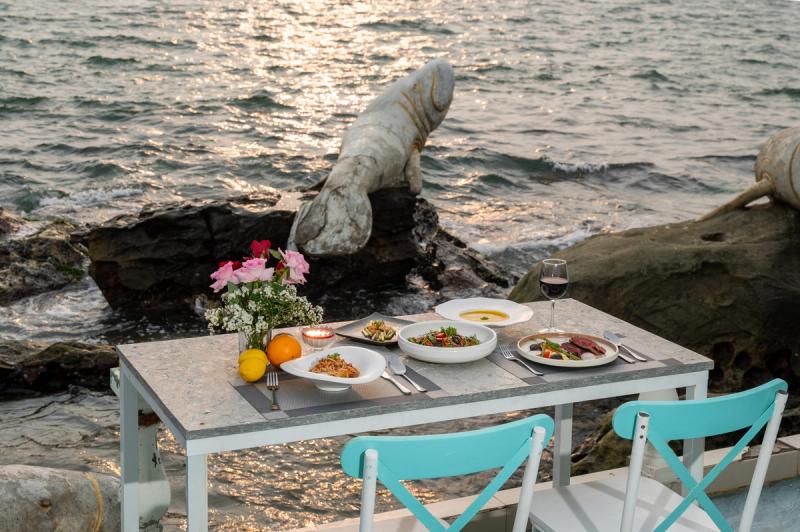
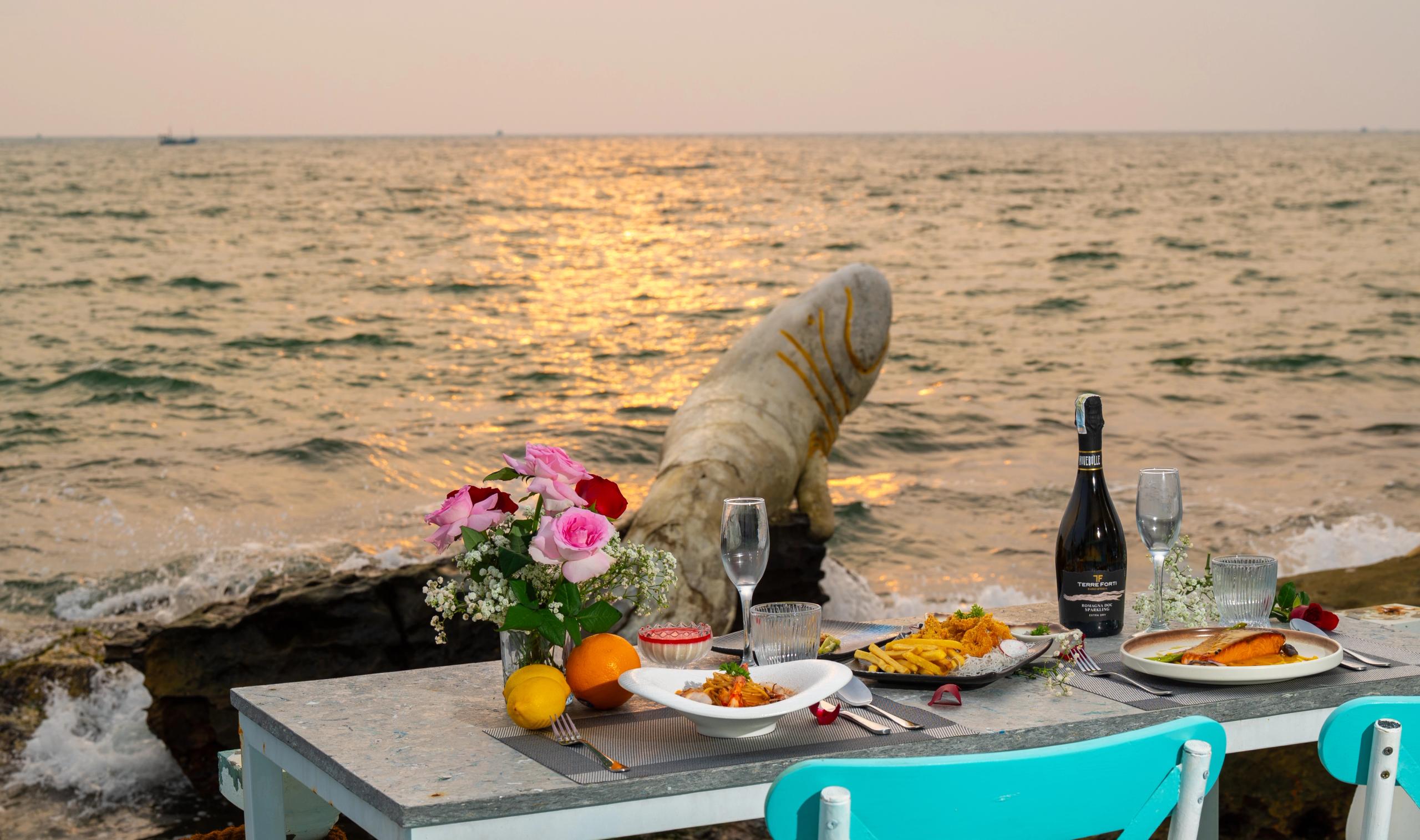
A seaside dining table set with flowers and wine

Keep the menu item, unit, quantity and final additions together. Choose the restaurant yourself even when somebody recommends it, and query a bill by its specific line. A view, a translator or a busy dining room can help the experience; none replaces an understandable order.

Reviewed:

A practical answer

Compare the same thing before calling it cheap

A bowl, a plate and a kilogram are different products. A seafood sign quoting per 100 g can look one tenth of a kilogram quote while being identical in price. At a night-market stall, ask whether a skewer, a shellfish or a whole plate is being priced. Choose a small tasting portion deliberately; do not discover its size only after ordering what you thought was dinner.

A useful comparison includes the complete meal. An ordinary rice plate may already combine rice and toppings, while a separate seafood main leaves you still needing rice, vegetables and drinks. Add those items before choosing between two menus. A cheaper main does not establish that the table’s final total will be lower.

The next decision

Inclusive prices and plus signs need different arithmetic

Menus do not all use the same price convention. The linked September 2026 Clubhouse menu at Premier Residences says its prices include 5% service and applicable VAT. Mango Bay’s August 2026 menu states prices in thousands of VND and excludes VAT and service. Those are menu-specific examples read on 19 October 2026, not universal rules for every restaurant on the island.

Read the small statement before multiplying the dishes. If the rate or basis is not visible, ask for the final amount rather than guessing a legal rate from a travel guide. A price printed as 350 under a “thousands of VND” statement means 350,000 VND. Where service is already included, do not add it a second time in your comparison.

Ask what a cover, towel, snack or bottled drink represents when it is brought to the table. If you do not want an optional item, say so before opening or using it. Do not assume everything placed within reach is complimentary, but do not assume every restaurant charges for the same extras either. The useful answer belongs to that table and menu.

The next decision

A suggestion is an invitation, not your order

A driver, host or guide can suggest a restaurant for sensible reasons: proximity, parking, a familiar kitchen or a table for a large group. Commercial relationships can also exist. Ask what sort of meal the place serves and see its menu before committing. A recommendation neither proves wrongdoing nor commits you to live seafood, a set menu or a particular spend.

If a group excursion includes lunch, ask which set and which drinks are included before adding individual dishes. A restaurant can quite reasonably charge for a lobster added to a basic set. Decide whether you want the included meal, the upgrade or another arrangement, then keep that choice clear to the person taking the order.

The next decision

Local flavour and local origin are different claims

A dish can belong to island food culture without every ingredient being caught or grown on the island. The question for dinner is whether you like the recipe, preparation and price. A claim of a special local catch or premium origin becomes relevant when it is used to justify a higher price; ask what that claim means for the actual item.

The same care helps with gifts. A Phú Quốc picture on a packet does not establish where the product was made. Use the Shopping guides for the maker, label and packing questions; a delicious tasting sample is not evidence that a different sealed package has the same ingredients. Food tasting and product buying deserve separate decisions.

Avoid using furniture as a quality ranking. Plastic stools, an English menu, air conditioning and a waterfront terrace describe a setting. They do not prove honesty, flavour or food handling. Pick the atmosphere you enjoy, then apply the same ordinary questions about the dish and total.

The next decision

When the bill differs, identify the difference

Keep the menu or written order until payment. If the total differs, work through quantity, weight, preparation and additions. A number entered twice is not the same issue as a dish you forgot ordering. Ask for the unexplained line to be clarified or corrected, using the actual item rather than a general accusation.

If the issue cannot be resolved with the server, ask for the manager and retain the itemised bill and payment record. Share a factual account if making a complaint: what was agreed, what was served and which amount differs. For the next meal, the best improvement is a clearer order, not a rule that every business in a whole district must be avoided.

Questions and answers

Are English menus a warning sign?

No. They help some visitors understand the offer. Judge whether the dish, unit and final additions are clear, regardless of language.

Must I eat where my driver suggests?

No. See the menu and choose the meal you want. A suggestion can be useful without deciding your order or budget.

Does a low seafood number mean a cheap meal?

Only after you know its unit, selected weight, cooking and other dishes. A per-100-g figure must be converted before comparing with a per-kilogram figure.

Are all service charges extra?

No. Some menus include it, others exclude it. Read that menu’s statement and ask for the final amount where unclear.

Can I decline an unopened optional item?

Tell the server before using it and ask for it to be removed from the order. Do not assume the same extras policy applies everywhere.

How should I question a bill?

Point to the specific line and compare it with the order or menu. Ask about the quantity or charge, then request a correction if the line is wrong.

Privacy settings

Change your choices anytime from the footer. They are saved in this browser for up to 180 days.

EssentialAlways on

Remembers privacy settings and supports functions you request, such as language selection.

Read our privacy policy

Avoid Food-Pricing Traps in Phu Quoc: Menus and Bills